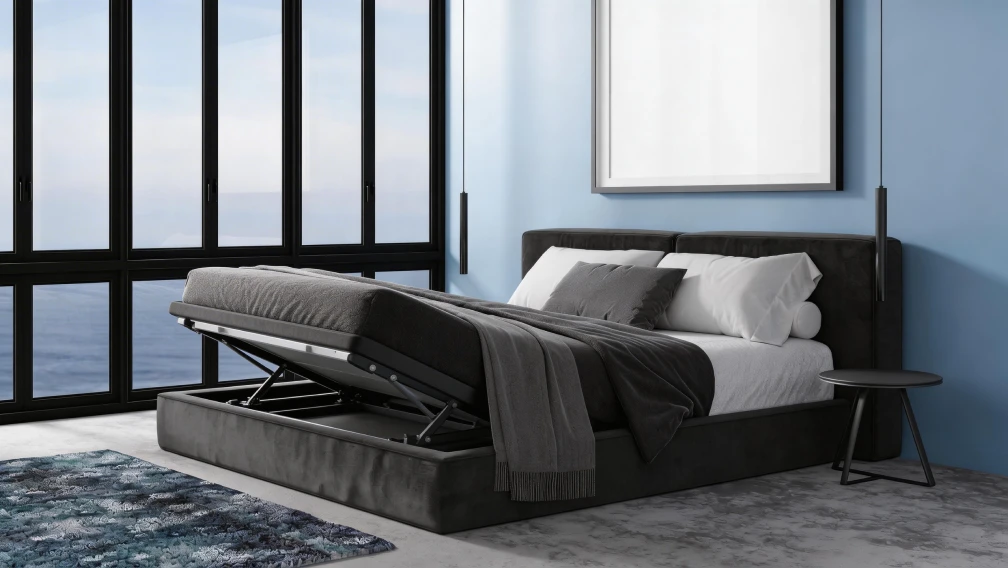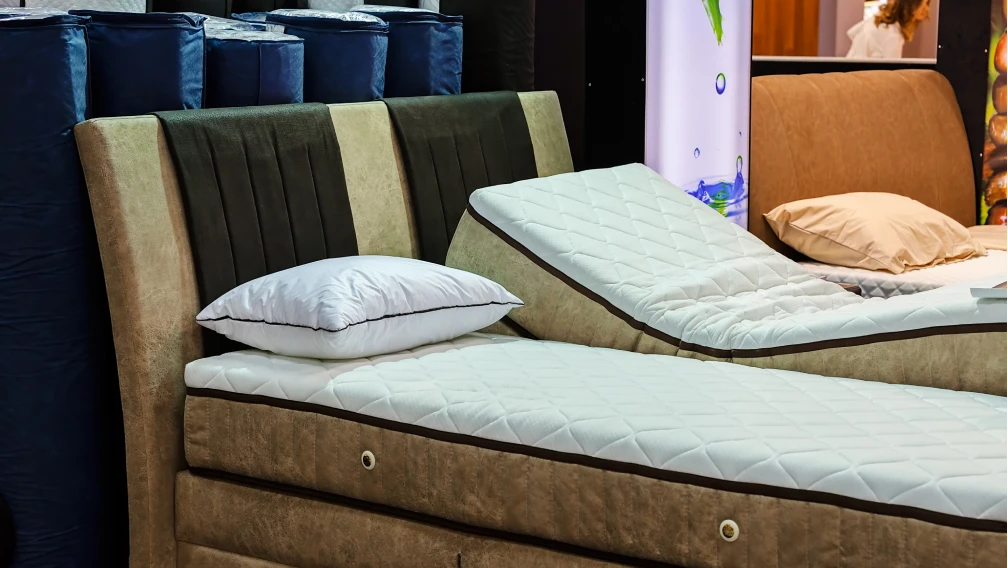

Selecting the right home care bed for elderly patients requires balancing clinical functionality, safety requirements, operational constraints, and budget realities. Whether you are a medical equipment distributor evaluating new product lines, a care facility operator replacing aging inventory, or a home health agency sourcing beds for individual patient placements, the decision involves technical specifications that directly affect patient outcomes and caregiver efficiency.
This guide covers the functional categories of home care beds, the key specification differences between semi-electric and full-electric models, the safety features that matter most in elderly care settings, and the practical considerations for procurement at scale.
1. What Is a Home Care Bed and How Does It Differ from a Hospital Bed?
A home care bed — sometimes called a homecare hospital bed, patient bed for home, or electric care bed — is a motorized bed designed for use outside of acute hospital settings. It provides the same core positioning functions found in hospital beds: motorized head section incline, foot section raise, and overall bed height adjustment. The difference lies in the design intent, construction weight, and feature set.
Hospital beds used in acute care settings are built for intensive clinical environments. They typically include integrated patient monitoring interfaces, IV pole mounts, nurse call system connections, gas supply fittings, and crash cart access. They are heavier, more expensive, and designed to withstand 24/7 use in high-traffic hospital wards.
Home care beds strip away the acute-care features and focus on the functions that matter in residential, assisted living, and long-term care environments: comfortable positioning for daily living, safe bed entry and exit for elderly patients, easy height adjustment for caregiver access, and quiet operation suitable for home use. They are lighter, more affordable, and designed for environments where clinical infrastructure is limited or absent.
For procurement purposes, the distinction matters because home care beds fall under different regulatory categories than acute hospital beds in most markets. In the US, home care beds are generally classified as FDA Class I medical devices with lower regulatory burden than Class II hospital beds. This affects both the compliance requirements for manufacturers and the reimbursement pathways available to distributors.
2. Semi-Electric vs Full-Electric Patient Beds: Which Configuration Fits Your Market?
The most fundamental specification decision in home care bed procurement is the choice between semi-electric and full-electric configurations. This choice affects unit cost, caregiver workflow, patient independence, and the market segment you can serve.
A semi-electric home care bed uses an electric motor for head and foot section positioning, combined with a manual hand crank for bed height adjustment. The caregiver or patient uses a wired handset to raise or lower the head and foot sections, but must physically turn a crank to change the overall bed height. This configuration is less expensive to manufacture and purchase, making it suitable for price-sensitive market segments and basic care applications.
A full-electric home care bed provides motorized control for all three primary functions: head incline, foot raise, and overall height adjustment. A single handset controls everything. This eliminates the physical effort of manual cranking, which is particularly important for elderly caregivers, home health aides working alone, and patients who need frequent height changes for bed transfers.
The price difference between semi-electric and full-electric models is typically 25–40% at the OEM level. For distributors, the decision of which to stock depends on the end-use environment and the purchasing pathway.
| Specification | Semi-Electric | Full-Electric |
| Head section adjustment | Motorized | Motorized |
| Foot section adjustment | Motorized | Foot section adjustment |
| Height adjustment | Manual crank | Motorized |
| Handset controls | Head and foot only | Head, foot, and height |
| Trendelenburg positioning | Not available | Available on most models |
| Caregiver effort for height change | Physical cranking required | Button press only |
| Typical patient weight capacity | 350–450 lbs | 350–450 lbs |
| Relative OEM cost | Lower (baseline) | 25–40% higher |
| Primary market | Budget home care, basic facilities | Home health, assisted living, hospice |
For most distributors serving the North American home medical equipment (HME) market, full-electric models represent the majority of sales volume. Insurance reimbursement under Medicare Part B covers both semi-electric and full-electric home care beds under specific qualifying conditions, but the trend in home health has moved decisively toward full-electric configurations due to caregiver convenience and patient safety benefits.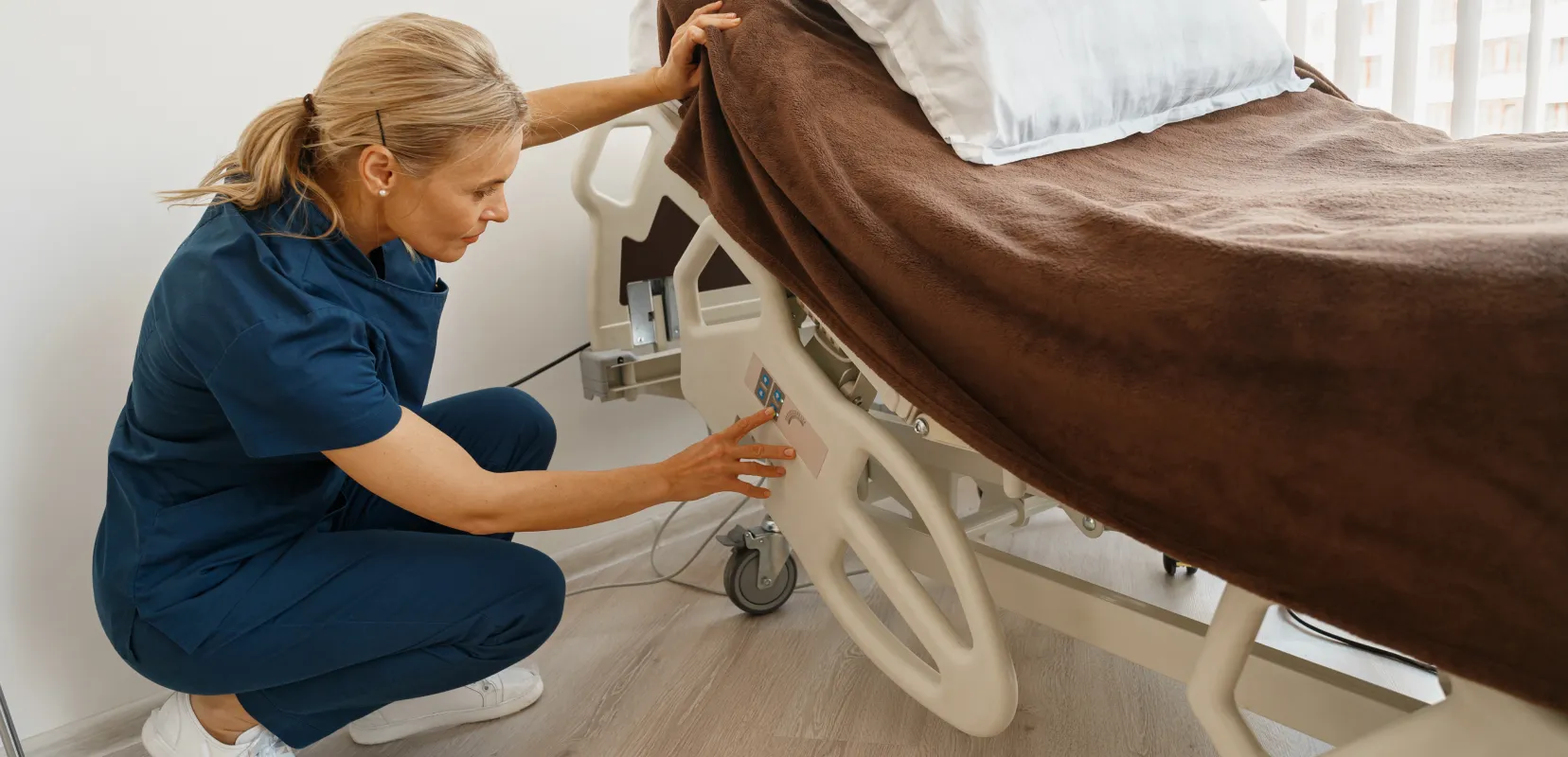
3. Electric Beds for Elderly: Key Safety Features for Fall Prevention
Fall prevention is the single most important safety consideration in home care beds for elderly patients. Falls from bed are the leading cause of injury in nursing homes and home care settings, and the bed specification directly influences fall risk.
Low-height design is the most effective bed-based fall prevention measure. A low-height home care bed can lower to within 15–25 cm (6–10 inches) of the floor, compared to the standard minimum height of 35–45 cm (14–18 inches) on conventional models. If a patient does roll or slide out of bed, the reduced distance to the floor significantly decreases injury severity.
Side rails serve as both positioning aids and fall barriers, but their design matters. Full-length side rails that run the entire length of the bed can create entrapment risks — the patient can become wedged between the rail and the mattress. Half-length side rails positioned at the head section provide grab-bar functionality for bed entry and exit while reducing entrapment risk. Split side rails — four independent quarter-length sections — offer the most flexibility, allowing caregivers to lower specific sections for patient access while keeping others raised.
Bed exit alarms can be integrated into the mattress platform or side rail system. These sensors detect when a patient shifts weight toward the bed edge or sits up, triggering an audible or wireless alert to the caregiver. For home health settings, bed exit alarms are typically sold as accessories rather than built-in features.
Locking casters prevent the bed from rolling during patient transfers. A central brake system that locks all four casters simultaneously is more efficient for caregivers than individual wheel locks. For home settings on hard flooring, locking casters are essential to prevent the bed from sliding when the patient pushes against it during transfers.
Under-bed lighting provides visibility for nighttime bathroom trips without requiring overhead lighting that would fully wake the patient. LED strips mounted under the bed frame activate automatically or via remote control.
4. Hospital Bed for Home Use: Positioning Functions and Their Clinical Applications
The positioning functions available on a hospital bed for home use determine which patient populations and care scenarios the bed can support. Understanding these functions helps distributors match products to their target market segments.
Head section incline (0–70 degrees) is the most frequently used function. It supports eating, reading, watching television, and respiratory relief. For patients with GERD (gastroesophageal reflux disease) or chronic respiratory conditions, sleeping with the head elevated at 15–30 degrees is a standard clinical recommendation.
Foot section raise (0–35 degrees) supports leg elevation for edema management, post-surgical swelling reduction, and circulatory support. Combined with head elevation, it enables the Fowler position (seated with knees slightly bent) commonly used for feeding and respiratory therapy.
Hi-low height adjustment is primarily a caregiver function. Raising the bed to waist height allows caregivers to provide wound care, bathing, and dressing assistance without bending. Lowering the bed to near-floor height facilitates safe patient transfers and reduces fall injury risk.
Trendelenburg positioning tilts the entire bed so the feet are higher than the head. This position is used in specific clinical situations including hypotension management, certain respiratory therapies, and post-procedure positioning. Reverse Trendelenburg (head higher than feet, bed tilted rather than articulated) supports gastric reflux management and certain cardiovascular conditions.
Cardiac chair positioning is a one-touch preset that simultaneously raises the head section to approximately 60–70 degrees and elevates the foot section to approximately 20–25 degrees, simulating a seated position in a chair. This position is used for cardiac patients, respiratory therapy, and general comfort during extended periods of wakefulness.
Lateral tilt rotates the entire mattress platform to one side, typically 10–15 degrees. This function is used for pressure relief in patients who cannot reposition themselves, wound care access, and pulmonary drainage. Lateral tilt is available on advanced nursing bed configurations and is not standard on basic home care models.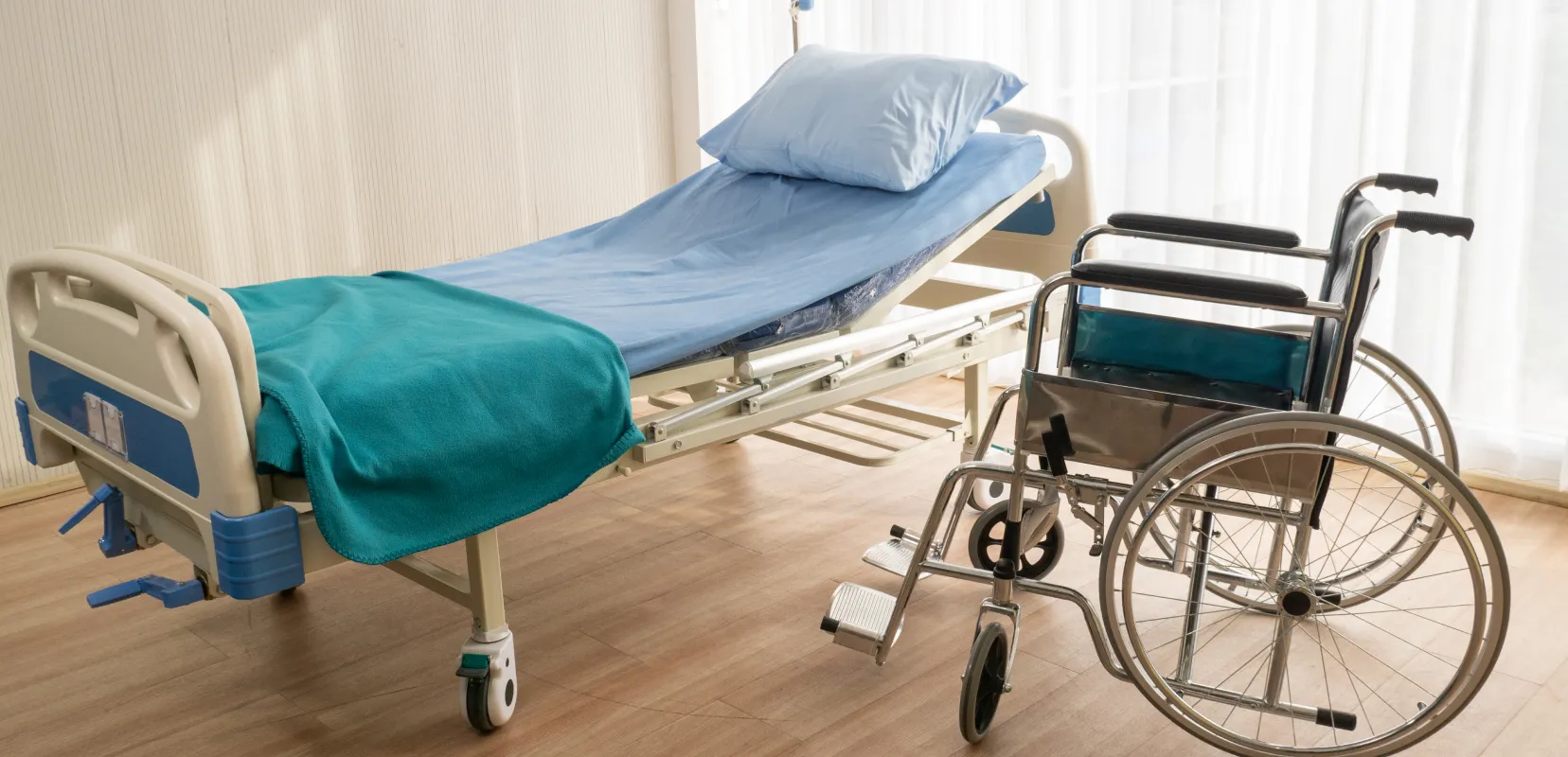
5. Nursing Home Beds: Specifications for Institutional Procurement
Procurement for nursing homes and assisted living facilities involves different specifications than individual home care placements. Institutional buyers need beds that perform reliably under continuous daily use, support standardized caregiver workflows, and comply with facility-level regulatory requirements.
Duty cycle is a critical specification for institutional use. Duty cycle refers to the percentage of time a motor can operate within a given period. Home-use motors typically have a 10% duty cycle — 2 minutes of operation followed by 18 minutes of rest. Institutional-use motors require a higher duty cycle (15–20%) to accommodate frequent positioning changes across multiple shifts.
Motor brand affects both reliability and serviceability. In the institutional market, Linak and Timotion are the most commonly specified motor brands. Linak carries a strong reputation for durability and after-sales support in the medical device market. Timotion offers a competitive price-performance ratio for mid-range institutional applications. Some manufacturers offer both options, allowing the buyer to choose based on budget and market expectations.
Handset lockout capability is important in institutional settings where multiple caregivers access the same bed. A lockout function allows designated staff to disable patient access to certain bed functions — preventing patients from lowering the bed to floor level, for example, or disabling the Trendelenburg position when not clinically indicated.
Cleanability specifications matter in facilities where beds must be cleaned and disinfected between patients. Mattress platforms with sealed surfaces, removable and washable side rail pads, and smooth frame surfaces that resist fluid intrusion are standard requirements.
Battery backup systems ensure that the bed can be lowered to a safe height during power outages. In institutional settings, this is a safety requirement — if power fails and the bed is in an elevated position, the patient is at risk. Most full-electric home care beds offer an optional or standard battery backup that provides enough power for 10–20 full height adjustment cycles during a power outage.
6. Home Care Bed Mattress Selection: Compatibility and Pressure Management
The mattress selection used with a home care bed affects both patient comfort and clinical outcomes. For distributors, mattress selection is also a bundling opportunity that increases average order value.
Innerspring mattresses are the most basic option for home care beds. They are inexpensive and widely available, but offer limited pressure redistribution for immobile patients. Innerspring mattresses are adequate for patients who are mobile and spend limited time in bed.
Foam mattresses — typically high-density polyurethane with memory foam comfort layers — provide better pressure distribution than innerspring. They conform to the patient’s body contours, reducing pressure concentration on bony prominences like the sacrum, heels, and shoulder blades. Foam mattresses are the standard recommendation for most home care applications.
Alternating pressure mattresses use an electric pump to cyclically inflate and deflate air cells within the mattress, continuously redistributing pressure across the patient’s body. These mattresses are specified for patients at high risk of pressure ulcers — typically those who are immobile, incontinent, or have compromised skin integrity. Alternating pressure mattresses are sold as a separate system that sits on top of the bed’s standard mattress platform.
Low-air-loss mattresses use a series of air-filled cells with tiny perforations that allow air to escape slowly beneath the patient. This airflow helps manage skin moisture and temperature, reducing the conditions that promote pressure ulcer formation. Low-air-loss mattresses are specified for patients with existing pressure wounds or very high pressure ulcer risk.
For OEM sourcing, some manufacturers can supply home care beds bundled with compatible mattresses from the same production facility. This simplifies logistics, ensures dimensional compatibility, and can reduce landed cost compared to sourcing beds and mattresses separately.
7. Regulatory Compliance: Certifications Required for Home Care Bed Distribution
Home care beds are classified as medical devices in most markets. The regulatory requirements vary by region and affect both the manufacturer and the distributor.
In the United States, home care beds are typically classified as FDA Class I medical devices under 21 CFR 880.5100 (AC-powered adjustable hospital beds). Class I devices are subject to general controls including establishment registration, device listing, and adherence to Quality System Regulation (QSR) requirements. Most Class I devices are exempt from premarket notification (510k), but manufacturers must still comply with Good Manufacturing Practice (GMP) requirements.
Electrical safety testing to UL or ETL standards is expected by most US distributors, even though it is not strictly required by FDA for Class I devices. UL 60601 (medical electrical equipment) or UL 962 (household electrical furniture) are the applicable standards depending on how the bed is classified and marketed.
In Europe, home care beds fall under the Medical Device Regulation (EU MDR 2017/745). The applicable classification depends on the bed’s intended use, but most electric home care beds are classified as Class I medical devices. CE marking is required, and manufacturers must demonstrate conformity with the relevant harmonized standards.
In Australia, home care beds are regulated by the Therapeutic Goods Administration (TGA). Depending on the classification, they may require inclusion on the Australian Register of Therapeutic Goods (ARTG).
For OEM buyers, it is important to confirm that the manufacturer can support the certification requirements for your target market. This includes not only the product testing but also the documentation — technical files, risk analysis (ISO 14971), design history files, and post-market surveillance plans. Manufacturers with ISO 13485 certification (quality management systems for medical devices) provide a higher level of confidence in their documentation capabilities than those with only ISO 9001.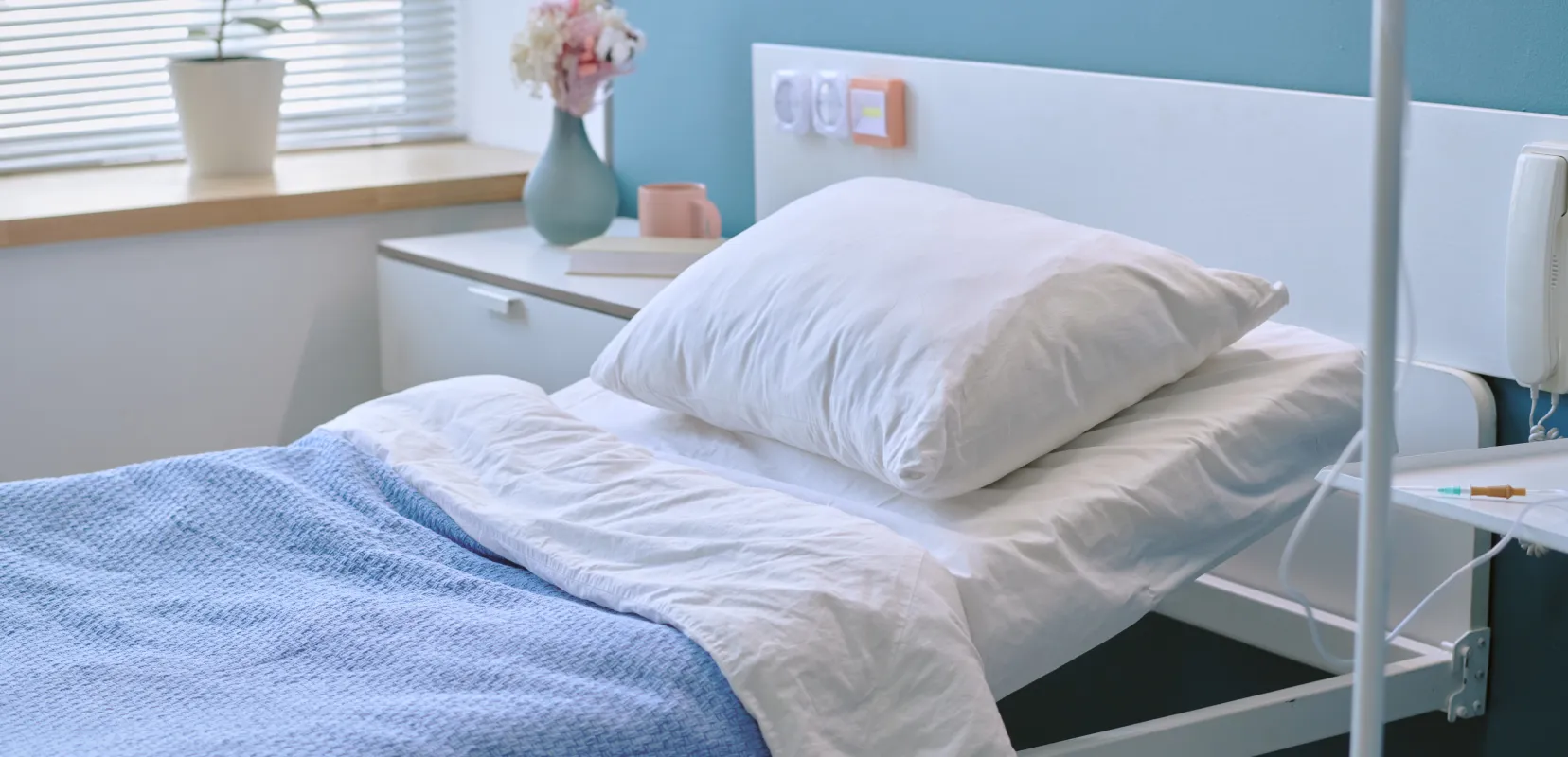
8. How to Evaluate an OEM Home Care Bed Manufacturer
Selecting an OEM manufacturer for home care beds requires evaluation beyond standard furniture sourcing criteria. Medical device manufacturing involves additional quality system requirements, documentation standards, and regulatory responsibilities.
Production capability assessment should include verification of welded frame construction (robot welding preferred for consistency), in-house powder coating or finishing, motor assembly and electrical testing capability, and dedicated quality inspection stations. Ask for documentation of the manufacturer’s quality management system — ISO 9001 at minimum, ISO 13485 preferred for medical device production.
Sample evaluation should include functional testing under load — operate the bed through its full range of motion with a test weight at or near the rated capacity. Check motor noise levels, actuator smoothness, remote control responsiveness, and side rail operation. Inspect weld quality on the frame, coating adhesion, and the fit and finish of removable components like headboards and footboards.
Supply chain reliability is particularly important for home care beds because distribution channels often involve healthcare providers with contractual delivery obligations. Ask about the manufacturer’s lead time consistency, component inventory management, and capacity to handle surge orders. Request references from current OEM customers, particularly those in the medical equipment or home health equipment market.
After-sales support capability is a factor that many OEM buyers overlook in initial sourcing. Home care beds have longer service lives than consumer furniture — 5 to 10 years is typical. During that period, you will need access to replacement motors, handsets, side rail components, and caster assemblies. Confirm that the manufacturer maintains spare parts inventory and can provide technical support for field service issues.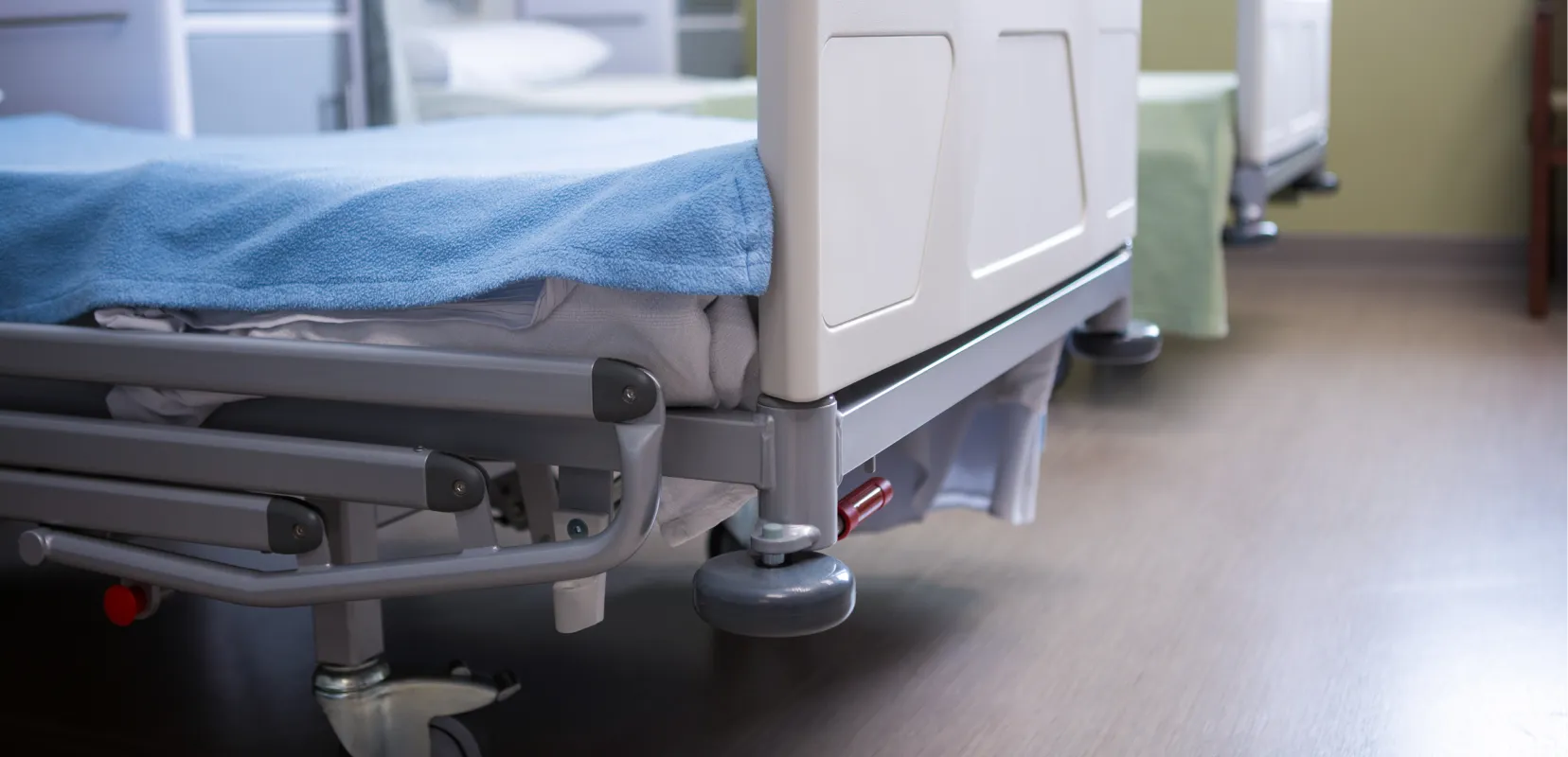
9. Cost Structure and Pricing Factors for Home Care Bed OEM Orders
Understanding the cost structure of home care beds helps distributors negotiate effectively and make informed sourcing decisions.
The motor system is the single largest cost component, typically representing 30–40% of the total unit cost. Motor brand is the primary cost driver within this component — Linak motors are generally 40–60% more expensive than Timotion or equivalent alternatives. For price-sensitive markets, specifying a cost-effective motor brand can significantly reduce the per-unit OEM cost without necessarily sacrificing functional reliability.
The steel frame represents 20–25% of the unit cost. Frame cost is driven by the weight and gauge of steel tubing, the number of welded joints, and the powder coating specification. Heavier-gauge steel increases weight capacity and durability but adds material and shipping cost.
Electronics — including the handset, control box, wiring harness, and any optional accessories like bed exit alarms or under-bed lighting — account for 10–15% of the cost.
Side rails, headboards, footboards, and casters represent 10–15% of the cost. Material choices within this category (ABS plastic vs. wood-look laminate headboards, for example) can affect both the per-unit cost and the perceived product quality.
Packaging and shipping preparation add 5–10% to the total cost. Home care beds are bulkier than consumer bed frames, and packaging must protect the electronics and finish during ocean freight.
The remaining cost is allocated to labor, overhead, quality inspection, and factory margin.
Minimum order quantities for home care beds are typically one 40-foot container per model specification, which holds approximately 40–60 units depending on packaging configuration. First-time buyers can often negotiate mixed-model containers to evaluate multiple configurations before committing to volume.
Source Home Care Beds for Your Distribution Program
Seemoon manufactures semi-electric and full-electric home care beds for medical equipment distributors, home health agencies, and care facility operators. Our production uses the same robot welding, powder coating, and quality systems that support our adjustable bed and bed frame manufacturing — with annual output exceeding 360,000 bed units.
We support OEM customization including motor brand selection (Linak, Timotion, or equivalent), side rail configuration, mattress platform specifications, and compliance testing for your target market. Our factory holds ISO 9001 and ISO 14001 certifications and has passed Walmart and Costco supplier audits.
Send us your product specifications and volume requirements — our team will respond with a manufacturing proposal within 48 hours.
-

Author
Seemoon
Seemoon is a Senior Product Expert and Sleep Ergonomics Specialist. With extensive experience in the design and manufacturing of adjustable beds and smart sleep solutions, Seemoon is dedicated to sharing authoritative insights on furniture innovation, ergonomic health, and global B2B sourcing trends. All content is grounded in authentic manufacturing expertise to help global buyers make informed decisions.