
For decades, commercial procurement in the medical furniture and bedding industry was driven by two metrics: structural durability and bulk unit pricing. Today, a third, equally critical metric has fundamentally altered the B2B supply chain: Environmental, Social, and Governance (ESG) compliance.
As global regulatory bodies implement strict carbon emission taxes and corporate social responsibility (CSR) mandates, wholesale distributors, hospital networks, and senior living chains are auditing their supply chains. Tenders in the European Union and North America now routinely require detailed environmental impact disclosures for all imported durable goods. Institutional buyers can no longer purchase beds coated in volatile chemicals or manufactured through highly polluting, non-recyclable processes.
To win lucrative government contracts and secure placements with premium eco-conscious retail brands, procurement managers must partner with OEM manufacturers who prioritize sustainable metallurgy and non-toxic surface treatments. This guide explores the environmental lifecycle of commercial steel beds, the critical differences between wet paint and electrostatic powder coating, and how green manufacturing processes directly benefit patient health and distributor compliance.
The Lifecycle of Cold-Rolled Steel: The Backbone of Sustainability
The core foundation of any commercial-grade smart bed or medical frame is steel. While the extraction of iron ore is inherently resource-intensive, steel is one of the most sustainable and highly recycled materials on the planet. Unlike engineered plastics or mixed-composite woods that degrade during the recycling process, steel retains 100% of its structural integrity regardless of how many times it is melted down and repurposed.
Embodied Carbon and Supply Chain Audits
When an institution issues a tender for a home care bed fleet, they increasingly ask for the "embodied carbon" footprint of the product. This refers to the total greenhouse gas emissions generated during the extraction, manufacturing, and transportation phases. Premium OEM factories reduce this footprint by sourcing high-yield cold-rolled steel. Cold rolling increases the yield strength and hardness of the metal without the massive thermal energy requirements of continuous hot-rolling processes.
Durability as a Sustainability Metric
In commercial applications, true sustainability is achieved through product longevity. A cheap, thin-gauge frame that bends and requires disposal in a landfill after 18 months represents an ecological failure. Conversely, a heavy duty metal bed frame with headboard and footboard engineered from 1.5mm to 2.0mm tubular steel is designed for a 15-year operational lifecycle. By drastically reducing the replacement cycle, facility operators significantly lower their long-term material consumption and associated carbon footprint, which reflects positively on their annual ESG reporting.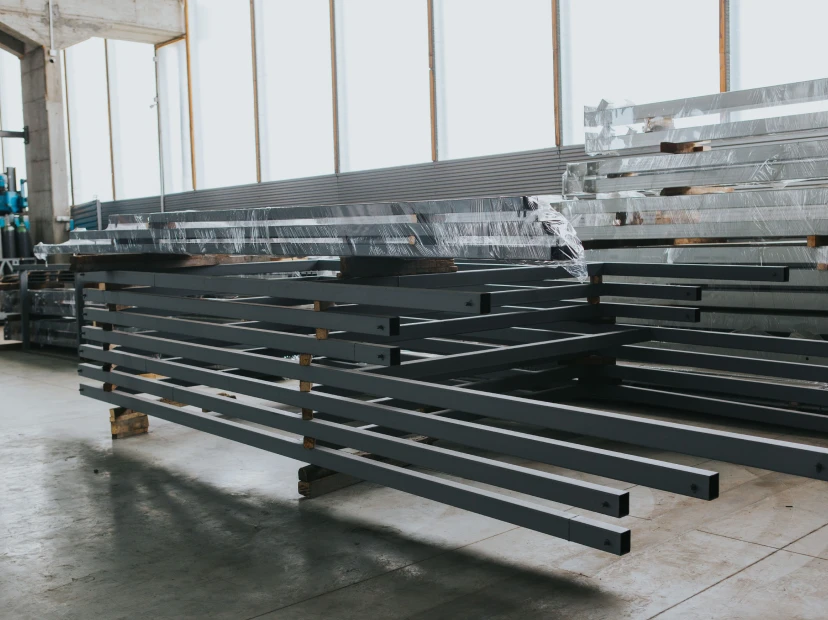
The Danger of Traditional Wet Paint: VOCs and Off-Gassing
The most ecologically sensitive phase of bed manufacturing occurs during the surface treatment process. Historically, factories utilized solvent-based liquid paints to protect steel frames from rust and corrosion. This method is incredibly damaging to both the environment and indoor air quality.
Solvent-based paints contain high levels of Volatile Organic Compounds (VOCs). As the paint dries and cures, these toxic chemicals evaporate into the atmosphere. In a factory setting, this contributes to severe air pollution and hazardous working conditions. More concerning for the end-user is the phenomenon of "off-gassing." Even months after manufacturing, wet-painted furniture can continue to release micro-doses of VOCs into the bedroom environment.
In enclosed, climate-controlled spaces—such as a heavily insulated modern home or a sterile hospital ward—trapped VOCs can cause headaches, dizziness, and respiratory irritation. For vulnerable populations, including the elderly or those with compromised immune systems, exposing them to off-gassing furniture is a critical clinical liability.
The Eco-Friendly Solution: Electrostatic Powder Coating
To meet strict modern environmental and health standards, elite manufacturers have completely abandoned liquid solvents in favor of Electrostatic Powder Coating. This process is the gold standard outlined in any comprehensive metal finishing guide.
How the Process Works
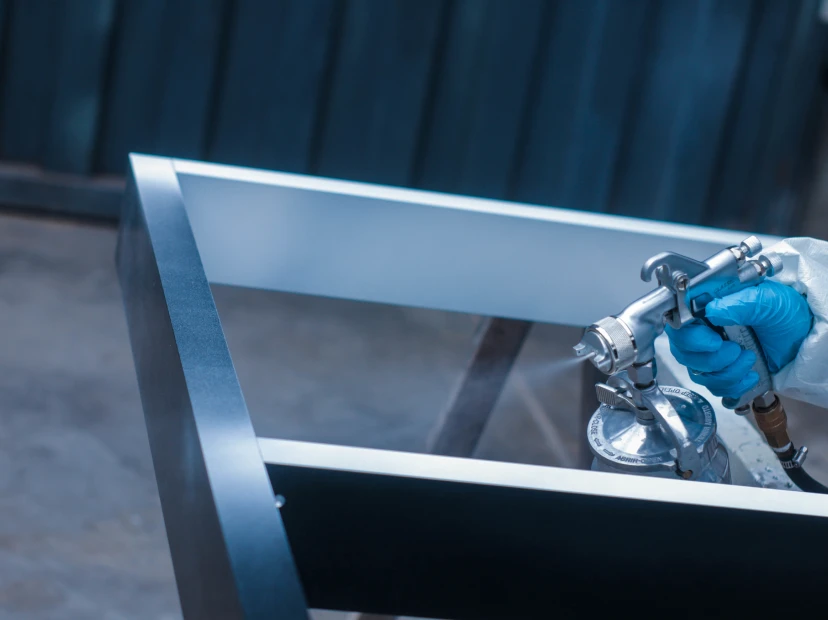
Powder coating does not use any liquid solvents. Instead, finely ground particles of pigment and polymer resin are sprayed onto the bare steel frame. The spray gun imparts a strong electrostatic charge to the powder particles, while the steel frame is electrically grounded. This magnetic attraction causes the dry powder to adhere perfectly and uniformly to the metal surface. The frame is then moved into a high-temperature curing oven, where the heat melts the powder into a smooth, continuous, and incredibly tough polymer film.
The Environmental and Health Benefits
- Zero VOC Emissions: Because there are no liquid solvents, powder coating emits virtually zero VOCs during application and curing. There is absolutely no chemical off-gassing when the bed reaches the consumer's home or medical facility.
- Material Efficiency and Recycling: In a wet paint spray booth, "overspray" (paint that misses the frame) is permanently lost and creates toxic sludge. In a powder coating booth, the dry overspray falls to the floor, where it can be swept up, filtered, and 100% recycled for the next batch, resulting in near-zero material waste.
- Superior Durability: The thermal curing process creates a cross-linked chemical bond that is significantly harder and more resistant to chipping, scratching, and chemical disinfectants than standard paint. This protects the steel from oxidation and extends the life of the bed.
Indoor Air Quality and Greenguard-Equivalent Standards
For brands selling into the premium D2C retail space or the high-end senior living sector, proving indoor air safety is a massive marketing advantage. Consumers are increasingly searching for "non-toxic," "hypoallergenic," and "Greenguard Certified" bedroom products.
By ensuring your entire bed frame inventory is finished with verified zero-VOC powder coating, you provide your marketing teams with verifiable, health-focused data points. This is particularly crucial when selling an advanced zero clearance adjustable base or an electric bed for home designed to be paired with organic latex or CertiPUR-US certified memory foam mattresses. A non-toxic mattress must be supported by a non-toxic foundation to maintain the integrity of a true "organic sleep environment."
Supply Chain Efficiency and Sustainable Packaging
Environmental responsibility does not end on the factory floor; it extends through the shipping and logistics network. Cardboard waste and inefficient shipping volumes contribute heavily to a product's ecological footprint.
Advanced OEM factories utilize Flat-Pack Engineering. By designing the mechanical linkages of adjustable beds to fold completely flat, manufacturers can reduce the carton volume by up to 40%. This optimization means a distributor can fit significantly more units into a standard 40-foot High Cube (40HQ) shipping container. Shipping more units per container slashes the per-unit fuel consumption and greenhouse gas emissions associated with trans-pacific ocean freight.
Furthermore, eco-conscious factories are replacing expanded polystyrene (Styrofoam) packing blocks—which take centuries to decompose—with recyclable molded pulp forms and corrugated honeycomb cardboard inserts designed to pass stringent ISTA-3A drop-test standards. This ensures the product arrives undamaged, preventing the environmental waste associated with returning and scrapping a broken bed.
Conclusion and Commercial Call to Action
Sustainable procurement is no longer a niche marketing tactic; it is an absolute baseline requirement for operating in the modern global supply chain. B2B buyers must prioritize suppliers who utilize 100% recyclable cold-rolled steel, zero-VOC electrostatic powder coating, and highly optimized, low-waste packaging architectures. These manufacturing choices protect the environment, safeguard patient health, and ensure your business remains compliant with increasingly strict international import regulations.
Are you preparing a tender response for a green-certified medical facility, or looking to upgrade your retail brand's eco-friendly positioning? Our manufacturing facilities operate under strict environmental management systems, utilizing state-of-the-art powder coating lines and sustainable metallurgy. Contact our commercial sales department today to request our environmental compliance documentation and learn how our green manufacturing processes can give your brand a competitive edge in global procurement.
FAQ
Q: Why is cold-rolled steel considered an environmentally sustainable material?
A: Cold-rolled steel is highly sustainable because it is 100% recyclable. At the end of a commercial bed's long lifecycle, the steel frame can be melted down and completely repurposed without any degradation in its structural integrity, preventing landfill waste.
Q: What are VOCs and why are they dangerous in bed manufacturing?
A: Volatile Organic Compounds (VOCs) are toxic chemicals found in traditional solvent-based paints. They evaporate into the air during manufacturing and continue to "off-gas" in consumer homes, which can trigger respiratory issues, headaches, and indoor air pollution.
Q: How does electrostatic powder coating differ from traditional wet painting?
A: Unlike wet paint, powder coating uses no liquid solvents. Dry, electrically charged plastic/resin powder is sprayed onto a grounded steel frame and then baked in an oven to melt into a hard, continuous shell. It emits zero VOCs and allows for overspray recycling.
Q: Does a powder-coated bed frame require special cleaning chemicals?
A: No, one of the primary benefits of powder coating is its high resistance to harsh chemicals. It can be safely cleaned and sanitized using standard EPA-approved hospital disinfectants or mild household detergents without stripping or degrading the finish.
Q: How does flat-pack engineering improve the carbon footprint of an adjustable bed?
A: Flat-pack engineering allows the heavy mechanical structures of the bed to fold into a highly compact profile. This allows distributors to fit more beds into a single shipping container, significantly reducing the ocean freight fuel consumption and carbon emissions per unit.
Q: Why do institutional healthcare tenders require ESG compliance data?
A: Hospitals and government-funded care facilities are subject to strict public health and environmental regulations. They require ESG (Environmental, Social, and Governance) data from suppliers to prove that the equipment they purchase does not contribute to toxic emissions, hazardous waste, or high carbon footprints.
-

Author
Seemoon
Seemoon is a Senior Product Expert and Sleep Ergonomics Specialist. With extensive experience in the design and manufacturing of adjustable beds and smart sleep solutions, Seemoon is dedicated to sharing authoritative insights on furniture innovation, ergonomic health, and global B2B sourcing trends. All content is grounded in authentic manufacturing expertise to help global buyers make informed decisions.