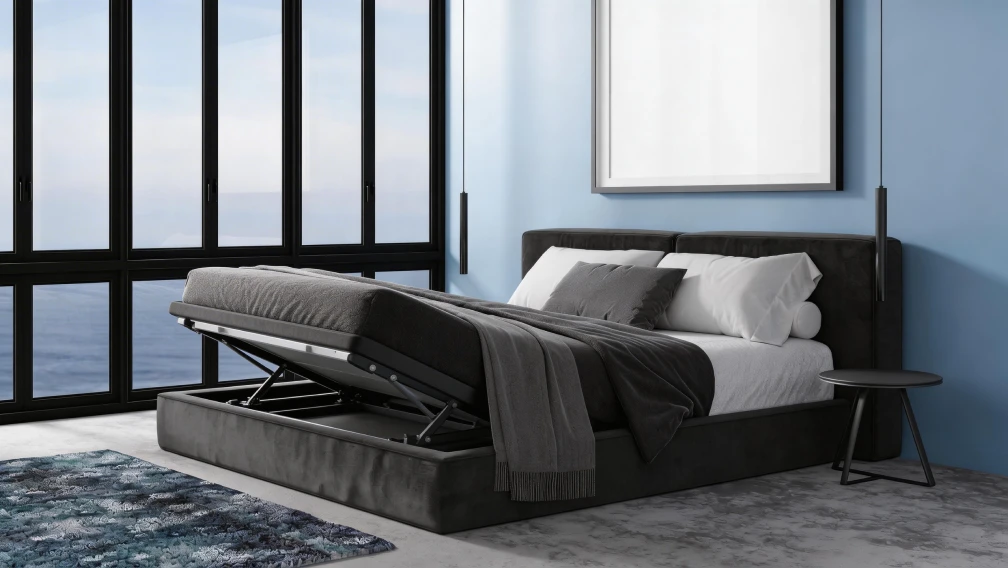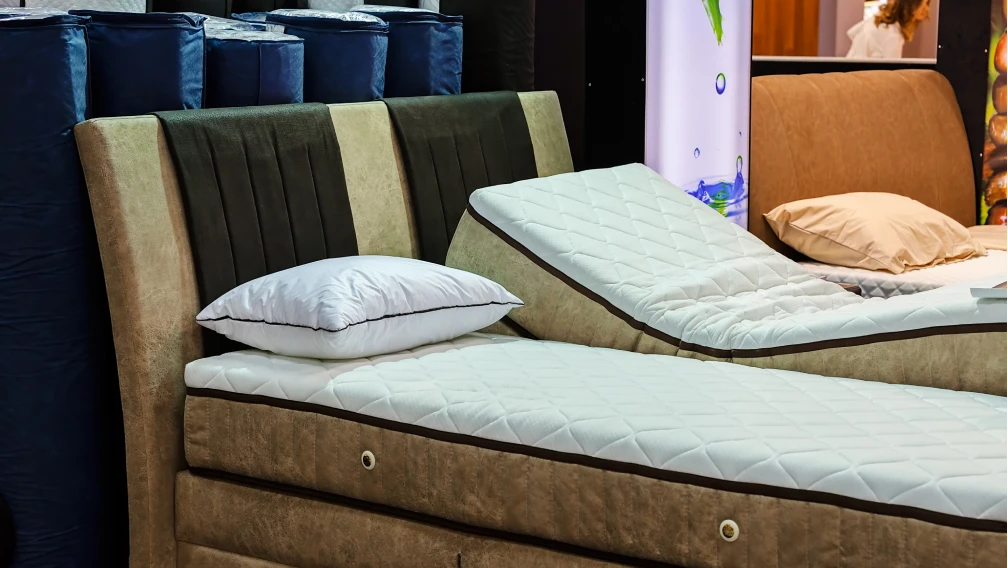

Home healthcare and elderly care distributors operate in a supply chain that sits between medical equipment manufacturing and patient-facing care delivery. These distributors supply home care beds, adjustable bed bases, and related sleep equipment to home health equipment (HME) dealers, senior living facility operators, home nursing agencies, and direct-to-patient channels serving aging-in-place households. For these distributors, selecting a home care bed supplier involves evaluation criteria that mix medical device sourcing considerations with general furniture sourcing pragmatism — product specifications must meet clinical requirements, but the supply chain must function at distributor-channel volumes and economics.
This guide is written for medical equipment distributors, home health product buyers, elderly care channel procurement directors, and senior living facility operators who source electric hospital beds for home use, home care beds for nursing applications, and related patient bed products. It covers the specifications, certifications, supplier capabilities, and partnership structures that matter when building a reliable home care bed supply program.
1. Why Home Care Bed Distribution Requires Specialized Supplier Capabilities
Home care bed distribution operates under constraints that differ from both medical device hospital sourcing and residential furniture distribution. Understanding these distinct requirements is essential for selecting suppliers who can support the operational realities of the distribution channel.
The first distinguishing factor is product complexity. Home care beds are electromechanical products combining steel frame fabrication, motor systems, control electronics, and fabric or laminate finishes. A supplier capable of producing consumer bed frames may not have the engineering capability for motor-driven patient beds; a supplier capable of producing institutional hospital beds may be uncompetitive on pricing for home-use product specifications. The home care bed supplier must sit in the intersection of these capability sets — medical-grade functional requirements delivered at distributor-channel price points.
The second factor is regulatory classification. Home care beds are classified as medical devices in most jurisdictions. In the United States, electric adjustable hospital beds used in home care settings are typically classified as FDA Class I medical devices under 21 CFR 880.5100 (AC-powered adjustable hospital beds). This classification creates manufacturer registration requirements, establishment listing obligations, and Good Manufacturing Practice (GMP) compliance requirements that consumer furniture manufacturers do not face. According to guidance published by the U.S. Food and Drug Administration, medical device manufacturers must maintain documentation systems that support device traceability, adverse event reporting, and ongoing quality system compliance.
The third factor is end-user profile. Home care beds are used by patients with clinical needs — limited mobility, post-surgical recovery, chronic condition management, or end-of-life care. Product failures affect vulnerable users with limited ability to manage mechanical problems or arrange their own replacements. Distributors serving this channel must maintain warranty and replacement logistics that deliver faster response than consumer furniture channels.
The fourth factor is payer environment. Many home care beds reach end patients through insurance-reimbursed channels — Medicare Part B, Medicaid state programs, Veterans Affairs (VA) benefits, or private health insurance. These payers impose documentation requirements, specific product classifications, and coverage limitations that affect both the distributor’s product selection and the patient-facing price points that can be supported. Suppliers must produce products that fit the reimbursement categories their distributor customers serve.
The fifth factor is delivery and setup logistics. Home care beds are typically delivered to patient homes and set up by delivery technicians or home health equipment personnel. The setup environment is the patient’s bedroom — often a confined space with limited access. Products must be packaged for carry-through and easy setup in residential conditions, with assembly instructions that non-specialist delivery personnel can follow reliably.
2. Electric Hospital Bed Manufacturer Selection for Home Care Distribution
Selecting an electric hospital bed manufacturer for home care distribution requires evaluating capabilities across product engineering, medical device compliance, and supply chain operations.
Medical device compliance infrastructure is the first evaluation area. The manufacturer should maintain documented quality management systems appropriate for medical device production. ISO 9001 certification is the baseline expectation; ISO 13485 (medical device quality management systems) is preferred for suppliers serving healthcare distribution channels. Manufacturers with ISO 13485 maintain more rigorous documentation, design control procedures, and post-market surveillance systems than manufacturers with only ISO 9001.
Product testing and certification capability is the second evaluation area. Home care beds must be tested to electrical safety standards (UL 60601-1 for medical electrical equipment, or UL 962 for household electric furniture when the bed is classified outside the medical device scope). European market distribution requires CE marking under the Medical Device Regulation (EU MDR 2017/745). Distributors serving multiple markets need suppliers who can coordinate testing and certification across all relevant jurisdictions.
Motor system specification is the third evaluation area. Home care bed motors face different operational demands than furniture motors. Home care beds may be adjusted 20 to 50 times per day by patients or caregivers, compared to 3 to 5 adjustments per day typical of furniture adjustable beds. Motors rated for this use intensity must have appropriate duty cycle ratings and noise specifications. Linak and Timotion are the most commonly specified motor brands in the home care bed market, each with different cost and capability profiles.
Safety feature compliance is the fourth evaluation area. Home care beds must include safety features appropriate for patient use — caregiver lockout controls that prevent patients from disabling bed functions, emergency manual release for power failures, battery backup systems that allow bed repositioning during power outages, and side rail entrapment protection to comply with FDA safety guidance on hospital bed entrapment risks.
Production volume and consistency verification is the fifth evaluation area. Distributor channels require consistent product specifications across rolling order volumes spanning years. Manufacturers with established volume production for home care beds deliver better consistency than manufacturers producing beds as occasional product lines. Ask for production volume history, current capacity utilization, and reference customers from the distribution channel.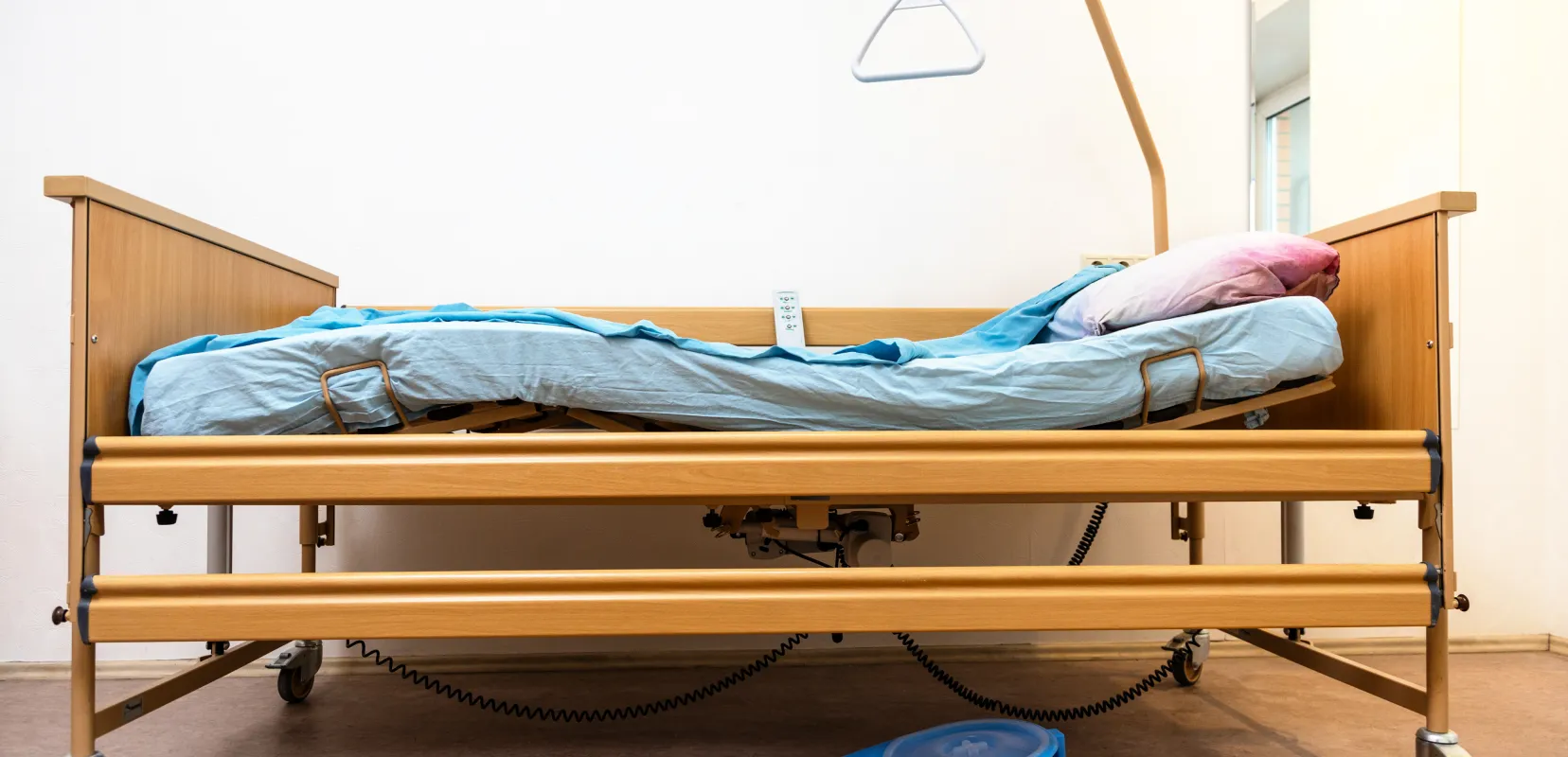
3. Home Care Bed Supplier Product Range for Distribution Channel Coverage
A home care bed distributor typically needs supplier capability across the full product range — from basic semi-electric beds for cost-sensitive segments through advanced nursing beds for facility-grade applications. Working with a single supplier who can deliver across this range simplifies distribution operations and supports consistent quality standards.
Semi-electric home care beds serve the entry-level segment of home care distribution. These beds use manual cranks for height adjustment combined with motorized head and foot positioning. The cost savings compared to full-electric beds (typically 25 to 40 percent at the OEM level) make semi-electric beds attractive for cash-pay patient segments and limited-reimbursement categories. Semi-electric beds typically specify Timotion or equivalent mid-tier motors with standard 4-section mattress platforms and basic side rail configurations.
Full-electric home care beds are the volume segment of most home care distribution programs. These beds provide motorized control for all three primary functions — head incline, foot raise, and overall bed height adjustment. A wired handset controls all functions with caregiver lockout capability. Full-electric beds are the standard specification for Medicare Part B reimbursable home care bed products and serve the majority of home health equipment dealer inventory. Typical specifications include Trendelenburg positioning, integrated side rails, locking casters with optional central brake, and emergency manual release.
Low-height home care beds address the fall prevention specification for elderly and hospice patients. These beds lower to within 15 to 25 cm (6 to 10 inches) of the floor, significantly reducing bed fall injury risk. All full-electric functions are maintained in the low-height design, with specific motor and frame adaptations supporting the reduced floor clearance. Low-height beds are often specified for hospice care, memory care units in assisted living facilities, and individual home care situations involving fall-risk patients.
Bariatric home care beds serve patient populations above standard weight capacity limits. Standard home care beds typically specify 400 to 500 pound weight capacity; bariatric beds support 600 to 1,000 pounds. Bariatric specifications include reinforced frame construction, heavier-rated motors, wider mattress platform dimensions, and reinforced side rail systems. The bariatric segment represents 5 to 10 percent of home care bed distribution volume but involves premium pricing that supports meaningful category margin.
Advanced nursing beds extend home care bed capability for facility-grade applications. These beds add lateral tilt, cardiac chair positioning, and sometimes patient scale integration to the full-electric base specification. Advanced nursing beds serve home health applications for patients requiring complex positioning support and facility applications in long-term care and skilled nursing environments.
| Home Care Bed Category | Primary Distribution Channel | Typical Motor Configuration | Weight Capacity | Typical OEM Unit Cost Range |
| Semi-Electric | Cash-pay home care, basic HME | Motorized head/foot + manual hi-low | 350-450 lbs | Baseline |
| Full-Electric | Medicare Part B, HME standard | Full motorized (head/foot/height) | 400-500 lbs | +25-40% vs semi-electric |
| Low-Height Full-Electric | Hospice, memory care, fall-risk | Full motorized with extended lower range | 400-500 lbs | +10-20% vs standard full-electric |
| Bariatric | Specialty HME, VA benefits | Reinforced full-electric | 600-1,000 lbs | +40-60% vs standard full-electric |
| Advanced Nursing | Facility, complex home care | Full-electric + lateral tilt + cardiac chair | 400-600 lbs | +60-100% vs standard full-electric |
4. Adjustable Bed for Seniors: Bridging Consumer and Medical Distribution
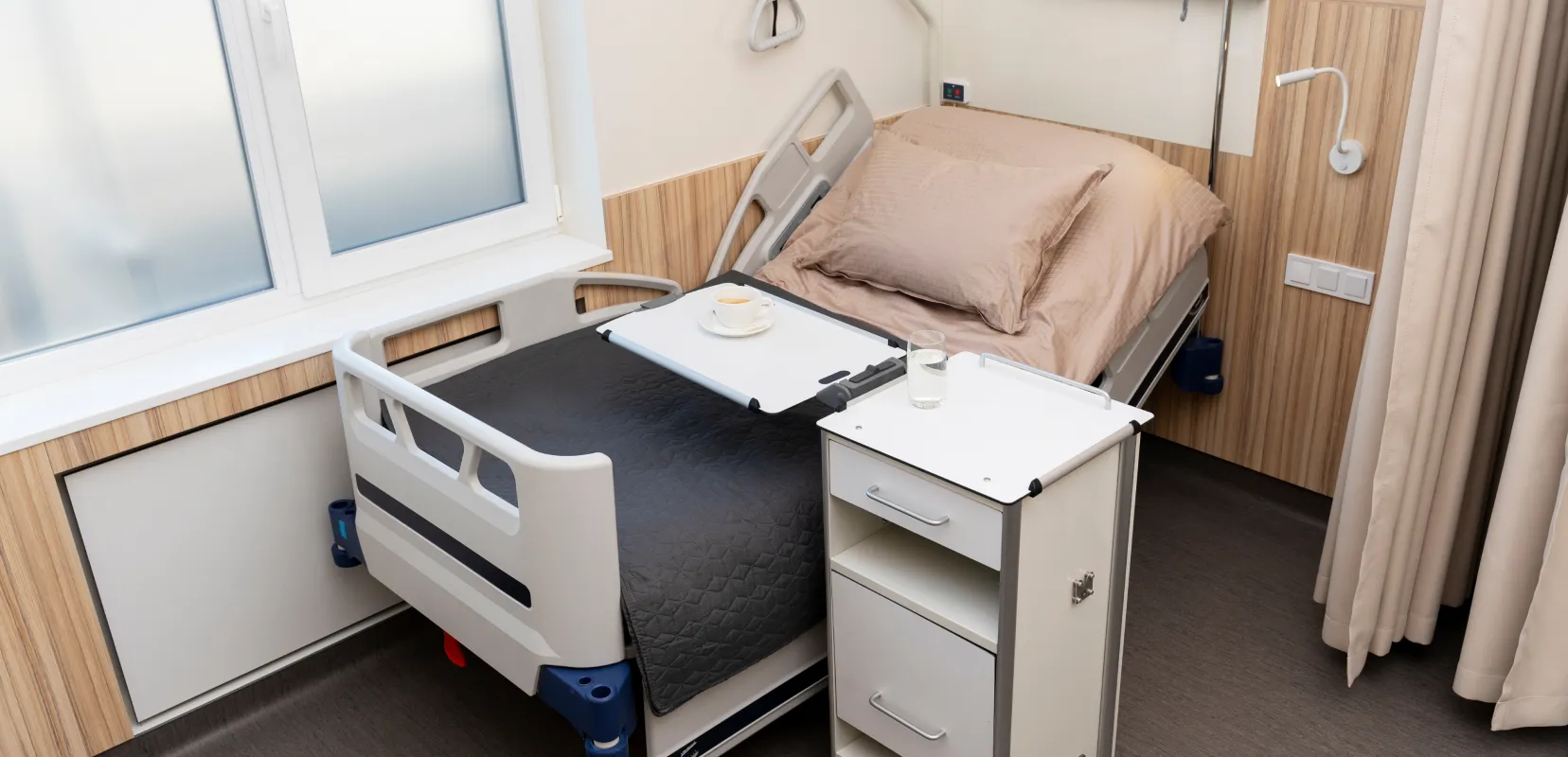
The adjustable bed for seniors category occupies an interesting position between medical device home care beds and consumer adjustable bed bases. This category serves older adults who want sleep positioning benefits — head elevation for acid reflux, foot elevation for circulation, zero-gravity positioning for back support — without requiring medical device classification or healthcare reimbursement.
For home care distributors, the adjustable beds for seniors category represents an adjacent market opportunity that uses similar distribution channels but operates under different regulatory and commercial structures. Medicare Part B typically does not cover adjustable bed bases purchased for comfort or lifestyle positioning; these products reach consumers through cash-pay retail channels, with some distributors serving both medical and retail channels.
Product specifications for adjustable beds for seniors typically emphasize ease of use over advanced clinical features. Preferred specifications include:
• Simplified remote controls with large buttons and clear function labeling
• Lower noise motors (premium tier Linak or equivalent) to support light-sleeping elderly users
• Anti-snore preset positioning and zero-gravity positioning for common health concerns
• Hi-low height adjustment to accommodate bed transfer mobility
• USB charging for reading glasses, hearing aid chargers, and medical device charging
• Under-bed LED lighting for nighttime bathroom access
• Weight capacity appropriate for elderly users (typically 500-700 lbs)
Distributors serving the adjustable beds for seniors market must balance product positioning between comfort-lifestyle marketing and health-function marketing. Marketing that emphasizes clinical claims may inadvertently trigger medical device classification requirements; marketing that focuses purely on comfort positioning leaves the health-function value proposition untapped. Experienced distributors work within FTC advertising guidelines to communicate benefits while avoiding unsupported clinical claims.
5. Patient Bed for Home: Reimbursement and Documentation Support
Medicare and private insurance reimbursement affects significant portions of home care bed distribution. Understanding the documentation and product classification requirements that support reimbursement is essential for distributors serving reimbursement-dependent channels.
Medicare Part B coverage for home care beds is available for beneficiaries meeting specific clinical criteria. Coverage typically requires documented medical necessity certified by the patient’s physician, with specific clinical indications supporting bed selection — hospital-type beds may be covered for patients requiring specific body positions that cannot be achieved in regular beds, while variable-height beds may be covered for patients requiring caregiver assistance with transfers.
Product classification within the Medicare Durable Medical Equipment (DME) framework determines coverage levels. Different bed classifications carry different reimbursement amounts:
• Fixed-height hospital bed (without motor functions) — lowest reimbursement tier
• Semi-electric hospital bed (motorized head/foot, manual hi-low) — mid reimbursement tier
• Full-electric hospital bed (full motorization) — highest standard reimbursement tier
• Bariatric hospital bed — separate coverage category with specific weight capacity requirements
Documentation requirements for Medicare-reimbursed bed sales include physician’s written order with clinical justification, face-to-face evaluation documentation, proof of delivery, and ongoing medical necessity documentation. Home care bed distributors selling into Medicare-reimbursed channels must coordinate with patient physicians, HME dealers, and Medicare administrative contractors to ensure documentation compliance.
For distributors, product selection affects reimbursement optimization. Beds that qualify for higher reimbursement tiers (full-electric, bariatric) deliver higher per-unit revenue but require higher unit costs. Beds at lower reimbursement tiers (semi-electric) deliver lower revenue but may offer better margin percentages. Balancing product mix across reimbursement tiers is an operational optimization that experienced distributors manage actively.
Medicaid coverage for home care beds varies by state, with each state Medicaid program setting its own coverage criteria, reimbursement rates, and documentation requirements. Distributors serving Medicaid channels must maintain state-specific knowledge and documentation capabilities. Some states have more generous coverage than others, which affects distributor channel profitability across different geographic markets.
VA benefits provide home care bed coverage for qualifying veterans, typically through VA-contracted distribution channels. VA coverage operates under different documentation and product specification requirements than Medicare Part B, with specific VA-approved product catalogs and contracted pricing structures.
6. Elderly Care Bed Supplier Warranty and Replacement Parts Infrastructure
Warranty and replacement parts infrastructure matter more in home care bed distribution than in most other furniture categories. Patients using home care beds depend on the equipment for daily care activities, and equipment failures create patient care disruptions that cannot be managed through typical consumer furniture warranty processes.
Warranty coverage terms for home care beds typically include 1-year full coverage on electrical components (motors, control boxes, handsets), 3 to 5 year structural warranty on the frame, and lifetime coverage on specific non-wear components. These warranty terms exceed standard consumer furniture warranties, reflecting the product’s medical device positioning and expected service life.
Replacement parts inventory requirements are significantly higher for home care beds than for consumer furniture. Motors, handsets, control boxes, side rails, casters, and other components may need rapid replacement when failures occur in the field. Distributors typically maintain local parts inventory of the most common replacement components (handsets, casters, minor hardware) while coordinating with suppliers for less common parts (motors, control boxes).
Supplier parts availability commitments matter for distributor operational planning. Suppliers should commit to parts availability for specific periods (5-10 years after the product sale is standard for medical device equipment), with documented parts supply procedures for urgent replacements. Suppliers who phase out parts after product lifecycle changes create challenges for distributors managing installed equipment bases spanning multiple years.
Technical service documentation supports distributor service technicians and third-party repair services. Documentation should include:
• Troubleshooting guides for common field failures
• Service procedures for parts replacement
• Wiring diagrams for electrical diagnosis
• Assembly diagrams for complete unit reassembly
• Safety procedures for working on electrical medical equipment
Suppliers who provide comprehensive technical documentation reduce the volume of service calls requiring supplier-level intervention, which benefits both the distributor and the supplier.
Field service network capability distinguishes between suppliers who deliver products and suppliers who support distribution operations. Some home care bed suppliers maintain networks of authorized service technicians who can perform field repairs; others provide only parts supply with the distributor or third-party services responsible for field labor. For distributors building national or regional distribution programs, supplier field service capability significantly affects the total cost of ownership calculation for supplier selection.
7. Home Health Bed Procurement: Pricing, MOQ, and Container Logistics
Home care bed procurement at distributor scale operates with specific volume economics and logistics considerations that differ from retail furniture sourcing.
Minimum order quantity (MOQ) for home care bed OEM production is typically one 40-foot container per model specification. A standard 40-foot container holds approximately 40 to 60 complete home care beds depending on packaging configuration and bed dimensions. This container MOQ is higher per dollar than consumer furniture (bed frames typically load 200 to 600 units per container) because home care beds are larger, heavier, and more complex to pack for transit protection.
First-order trial arrangements allow new distributor relationships to validate product quality and market fit before committing to full-container single-model volume. Some suppliers accept mixed-model first-order containers that combine 2 or 3 bed models within a single container shipment. This arrangement allows the distributor to evaluate product quality across multiple categories and assess market response for different product tiers.
Tier pricing structures apply to home care bed procurement, with volume tiers typically structured as:
• Tier 1: Single container per order (40-60 units)
• Tier 2: 2-4 containers per order (80-240 units)
• Tier 3: Annual commitment of 5+ containers
• Tier 4: Annual commitment of 15+ containers with dedicated production capacity
Price reductions between tiers typically range from 5 to 15 percent, with the most meaningful reductions available at Tier 3 and Tier 4 commitments. Home care bed pricing moves less aggressively than consumer furniture pricing because the motor and electronic components represent a larger fraction of total unit cost, and these components have less price elasticity at distributor-level volumes.
Packaging and shipping considerations for home care beds differ from standard furniture. Home care beds typically ship in two cartons per unit — one carton for the frame and one for the mattress platform with electronics. Packaging must protect the motor system and control box from transit damage, which typically requires foam inserts, polyethylene wrapping, and corrugated cardboard with appropriate edge reinforcement.
Container documentation for medical device imports must include regulatory information that standard furniture shipments do not require. FDA establishment registration numbers, device listing documentation, commercial invoice details matching device classifications, and certificate of origin documentation are typical requirements. Experienced home care bed suppliers handle this documentation as a standard operational function.
8. Long-Term Home Care Bed Supplier Partnership for Distribution Channel Growth
Long-term supplier partnership structures deliver operational and economic advantages in home care bed distribution that transactional sourcing arrangements cannot match.
Volume commitment programs support both supplier capacity planning and distributor pricing stability. A distributor with annual commitment to specific volume levels across multiple product tiers receives priority production capacity, committed pricing, and dedicated inventory support. The supplier uses volume commitment visibility to plan raw material purchases, motor inventory levels, and production line scheduling more effectively than transactional order flow allows.
Specification continuity agreements prevent product changes that would disrupt installed equipment bases. Distributors serving ongoing medical equipment channels need product consistency to support spare parts inventory, service technician training, and cross-unit equipment compatibility. Long-term partnerships typically include specification change control procedures that manage product changes through formal review with advance notice to distributors.
Private label and co-branding arrangements allow distributors to develop their own brand identity while leveraging supplier manufacturing capability. Some distributors market home care beds under their own brand names, with the supplier producing equipment to branded specifications. This arrangement supports the distributor’s channel strategy while providing the supplier with committed production volume.
Regulatory coordination and market expansion support become meaningful in long-term partnerships. Distributors expanding into new geographic markets need supplier coordination on regional regulatory compliance (FDA for US, Health Canada for Canada, TGA for Australia, CE for Europe, etc.). Long-term supplier relationships include coordination capabilities for market expansion that transactional relationships typically cannot support.
Product development cooperation benefits both parties in long-term partnerships. Distributor input on market needs, patient feedback, and caregiver operational insights informs supplier product development roadmaps. Supplier engineering insight into new motor technologies, emerging feature capabilities, and manufacturing cost optimization informs distributor product planning. This bidirectional cooperation supports product improvements that better serve end patients and caregivers.
Shared service infrastructure allows distributors to leverage supplier capabilities that would be uneconomic to build independently. Technical service documentation, spare parts inventory, field service training materials, and regulatory compliance support are more efficiently maintained at the supplier level and shared across multiple distributor partners than duplicated at the distributor level.
Source Home Care Beds and Adjustable Bed Bases for Your Distribution Program
Seemoon manufactures home care beds for medical equipment distributors, home health product suppliers, elderly care channel buyers, and senior living facility operators. Our production capability spans the full home care bed product range — from semi-electric entry-level beds through full-electric standard beds, low-height fall-prevention configurations, bariatric beds, and advanced nursing beds with lateral tilt and cardiac chair positioning.
Our manufacturing infrastructure includes robot welding for consistent structural quality, in-house electrical assembly and testing, powder coating for durable finishes, and ERP-managed production tracking that supports documentation requirements for medical device distribution. We hold ISO 9001 and ISO 14001 certifications, have passed Walmart and Costco factory audits, and maintain dedicated spare parts inventory for warranty service support across multi-year distribution programs.
We also manufacture adjustable bed bases in dual-motor, three-motor, and quad-motor configurations for distributors serving the adjustable beds for seniors market — a natural adjacent category for distributors already serving home health and elderly care channels. Our adjustable bed product line uses motor brands across the full tier spectrum (OKIN, Linak, Timotion, and alternatives) to support distributor product positioning across price points and market segments.
If you are a medical equipment distributor, home health product buyer, elderly care procurement director, or senior living facility operator evaluating home care bed and adjustable bed suppliers, contact our distributor accounts team. We will provide a detailed manufacturing proposal including specifications, lead time, volume tier pricing, compliance documentation support, and spare parts inventory arrangements within 48 hours.
-

Author
Seemoon
Seemoon is a Senior Product Expert and Sleep Ergonomics Specialist. With extensive experience in the design and manufacturing of adjustable beds and smart sleep solutions, Seemoon is dedicated to sharing authoritative insights on furniture innovation, ergonomic health, and global B2B sourcing trends. All content is grounded in authentic manufacturing expertise to help global buyers make informed decisions.