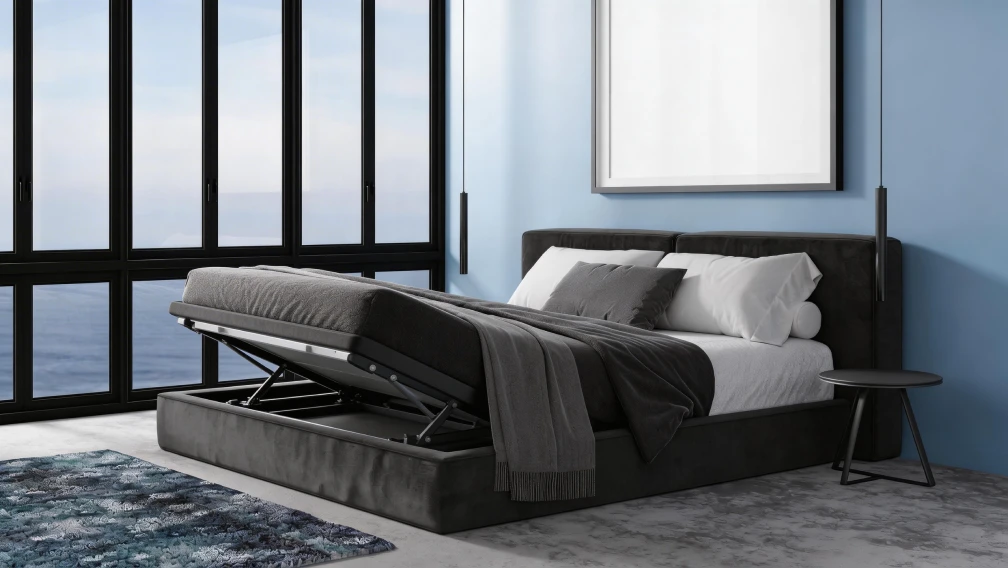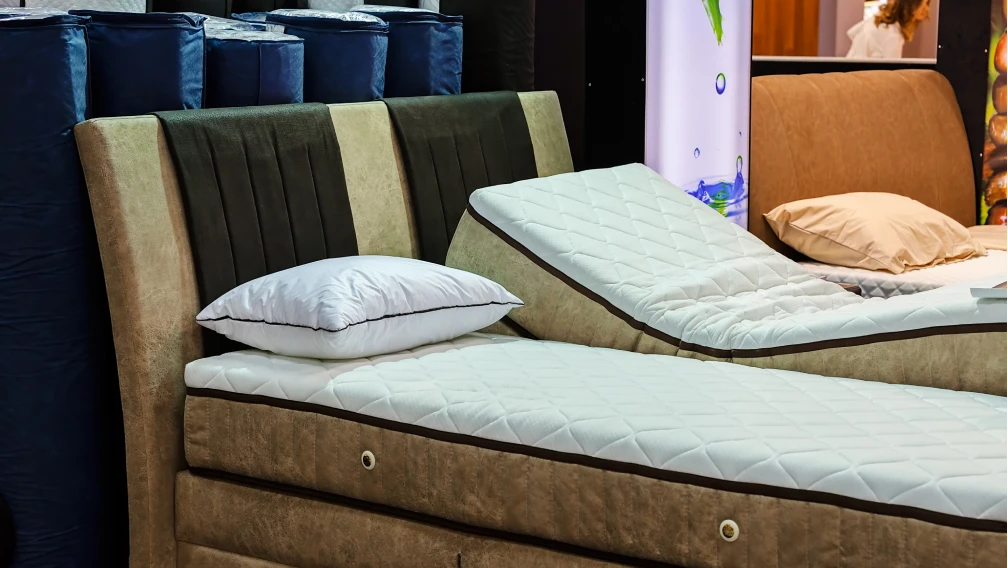

Hotel procurement teams operate under constraints that furniture retailers and e-commerce sellers do not share. Hotel bed frames must withstand daily use by rotating guests who treat hotel property with varying levels of care. They must meet housekeeping workflow requirements, fit within commercial cleaning protocols, and support brand standards that apply across dozens or hundreds of properties. And they must deliver on service lives measured in years rather than months, with replacement cycles timed to property renovation schedules that are often planned 18 to 36 months in advance. For hospitality operators, selecting a hotel bed frame supplier — or a rollaway folding bed manufacturer for guest overflow operations — is a capital decision that affects guest experience, housekeeping efficiency, and operating expense structure for the lifespan of the furniture.
This guide is written for hospitality procurement directors, hotel interior design specifiers, facility management teams, and hotel group purchasing departments evaluating bed frame and rollaway bed sourcing. It covers the specifications that matter for commercial use, the supplier evaluation criteria that predict long-term performance, and the procurement practices that deliver reliable results across multi-property hospitality programs.
1. Why Hotel Bed Frame Procurement Requires Commercial-Grade Specifications
Hotel bed frame procurement differs fundamentally from residential bed frame sourcing. The product specifications, durability requirements, and service life expectations that apply to hotel furniture are stricter than those applied to consumer furniture, even though the two product categories may look superficially similar.
The most immediate difference is usage intensity. A residential bed frame typically supports one or two adults sleeping on the same mattress night after night, with relatively consistent weight distribution and limited variability in how the frame is used. A hotel bed frame may support different guests every night — adults, children, guests of varying weights, guests who sit on the edge, guests who stand on the bed, housekeeping staff who lift the mattress to change linens. Over a 5-year service life, a hotel bed frame may see 2,000 to 4,000 different guest occupations, compared to perhaps 1,500 nights of residential use with known occupants.
The second difference is housekeeping access. Hotel bed frames must allow quick and efficient linen changes. Housekeeping staff need to lift the mattress to change sheets, tuck in linens on all four sides, and vacuum under the bed frame. Frame designs that obstruct this workflow — frames with obstructive side rails, low under-bed clearance that prevents vacuum access, or mattress retention systems that complicate mattress removal — create housekeeping inefficiency that adds minutes to every room turnover. Across a 300-room property with 150 room turnovers per day, housekeeping time losses compound into measurable labor costs.
The third difference is cleaning and hygiene protocols. Hotel furniture must be cleaned between guests, with deeper cleaning performed on scheduled intervals. Bed frame surfaces exposed to guest contact — side rails, headboard panels, footboards — must tolerate cleaning chemicals without finish degradation. Upholstered bed frames present particular cleaning challenges; fabric surfaces must either be cleanable through commercial processes or designed for easy replacement when stains become permanent.
The fourth difference is service life expectations. Hotel renovation cycles typically run 7 to 10 years for full property refurbishment, with soft goods (bedding, drapes, carpets) replaced every 3 to 5 years. Hotel bed frames are expected to span multiple soft goods replacement cycles, which means 10 to 15 year service life with zero structural failures. Residential bed frames are typically sold with 1 to 5 year warranties reflecting lower service life expectations.
These differences drive specification requirements that are not obvious from consumer furniture catalogs but are essential for successful hospitality procurement.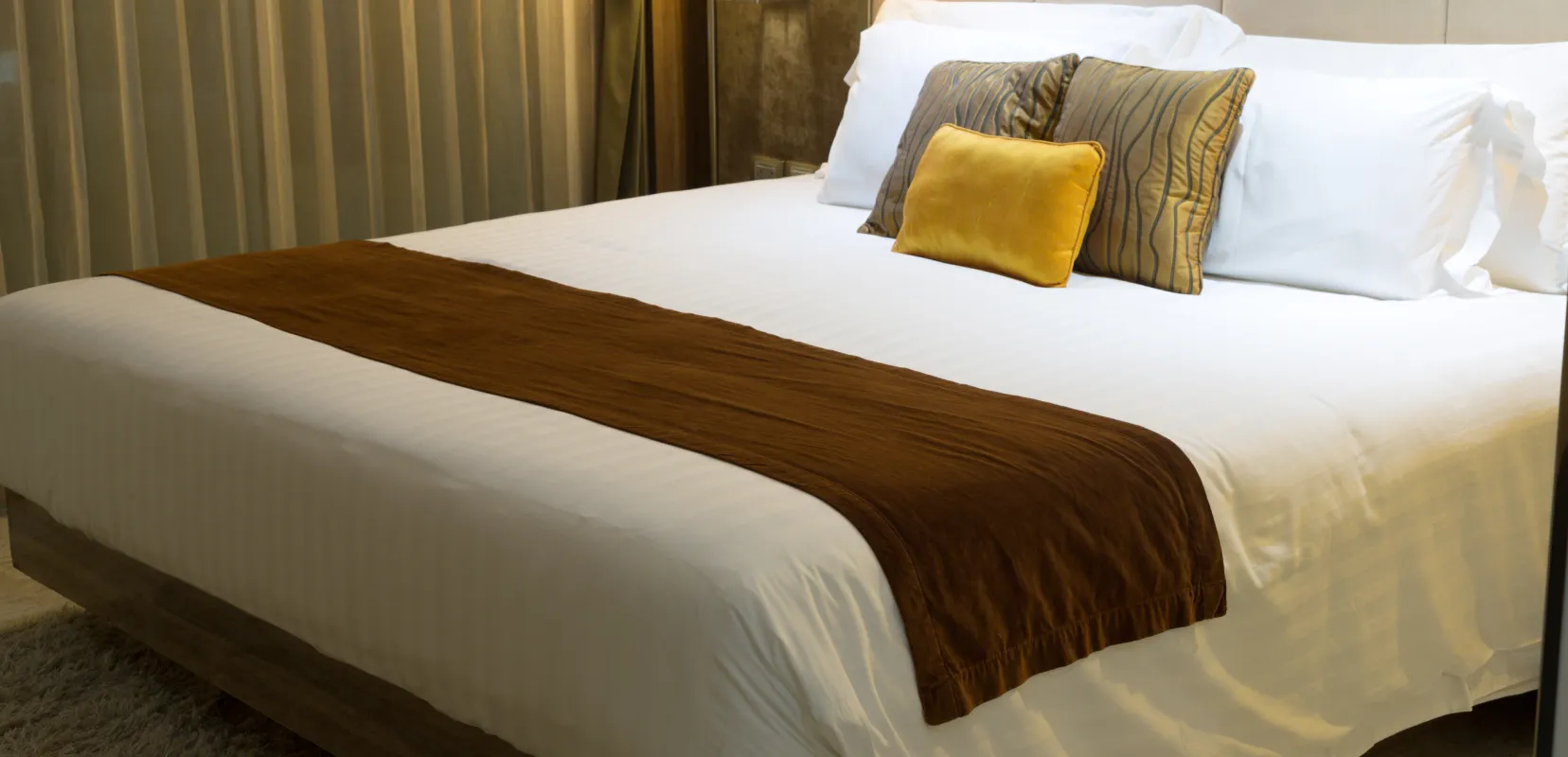
2. Commercial Bed Frame Manufacturer Evaluation: Verification Beyond Catalog Specifications
Evaluating a commercial bed frame manufacturer for hospitality procurement requires verification of operational capabilities that consumer-focused manufacturers may not have. The following evaluation framework helps hospitality procurement teams identify suppliers who can support hotel-grade requirements.
Structural testing documentation is the first verification area. Hotel bed frames should be tested to BIFMA (Business and Institutional Furniture Manufacturers Association) standards or equivalent commercial furniture testing protocols. BIFMA X5.5 applies to desk products and X5.6 applies to panel systems, but the testing methodology principles also apply to hotel bed frames: cyclical loading tests, stability tests, and impact tests simulating commercial use intensity. Ask prospective suppliers for their structural testing documentation and whether their testing was performed in-house or through accredited third-party laboratories. Industry resources such as the American Hotel & Lodging Association provide additional guidance on supplier standards for commercial hospitality furniture procurement.
Weld quality verification is the second area. Commercial bed frames are subject to more varied loading than residential frames, including dynamic loads from guests sitting on the edge, standing on the bed, or bouncing on the mattress. Weld failures are the most common structural failure mode in commercial bed frames. Robot-welded frames deliver more consistent weld quality than manually welded frames, and suppliers with in-house robot welding capability (15 or more welding units minimum for volume production) typically achieve lower field failure rates than suppliers relying on manual welding.
Finish durability testing is the third area. Hotel bed frames are cleaned frequently with various cleaning chemicals — bleach solutions, ammonia-based cleaners, enzymatic cleaners for bodily fluid cleanup. Powder-coated finishes generally hold up well to these cleaning agents, but coating thickness and adhesion matter. Ask suppliers for coating thickness specifications (60 to 80 microns is industry standard for commercial use) and coating adhesion test results (cross-cut adhesion testing to ASTM D3359 or equivalent).
Production volume capacity is the fourth area. Hotel procurement programs often involve large single orders — a 300-room new property build requires 300 bed frames shipped on a construction-aligned schedule, and a hotel group renovation program may involve 2,000 to 5,000 rooms across multiple properties over a 12 to 24 month rollout. Verify that the supplier can handle these order volumes without compromising lead time or quality consistency.
Reference customer verification is the fifth area. Ask for references from current or recent hotel-channel customers. Good reference conversations should cover: product consistency across large orders, actual lead time performance versus quoted lead times, warranty claim rates over the first 12 months of service, responsiveness to quality issues, and the supplier’s ability to support follow-on orders for property expansions.
| Evaluation Criterion | Baseline Requirement | Preferred Capability |
| Structural testing | Manufacturer claims | BIFMA-equivalent testing documentation |
| Weld quality | Manual welding | Robot welding (15+ units) |
| Coating thickness | 40-50 microns | 60-80 microns with adhesion documentation |
| Production capacity | 50,000 units/year | 200,000+ units/year with surge capability |
| Commercial reference customers | Consumer-focused only | Documented hotel/hospitality channel experience |
| Lead time consistency | 90 day quotes with frequent delays | 60-75 day quotes with documented on-time performance |
| Warranty support | 1-year limited | 5+ year structural warranty with parts support |
3. Hotel Platform Bed Frame Specifications for Guest Room Installation
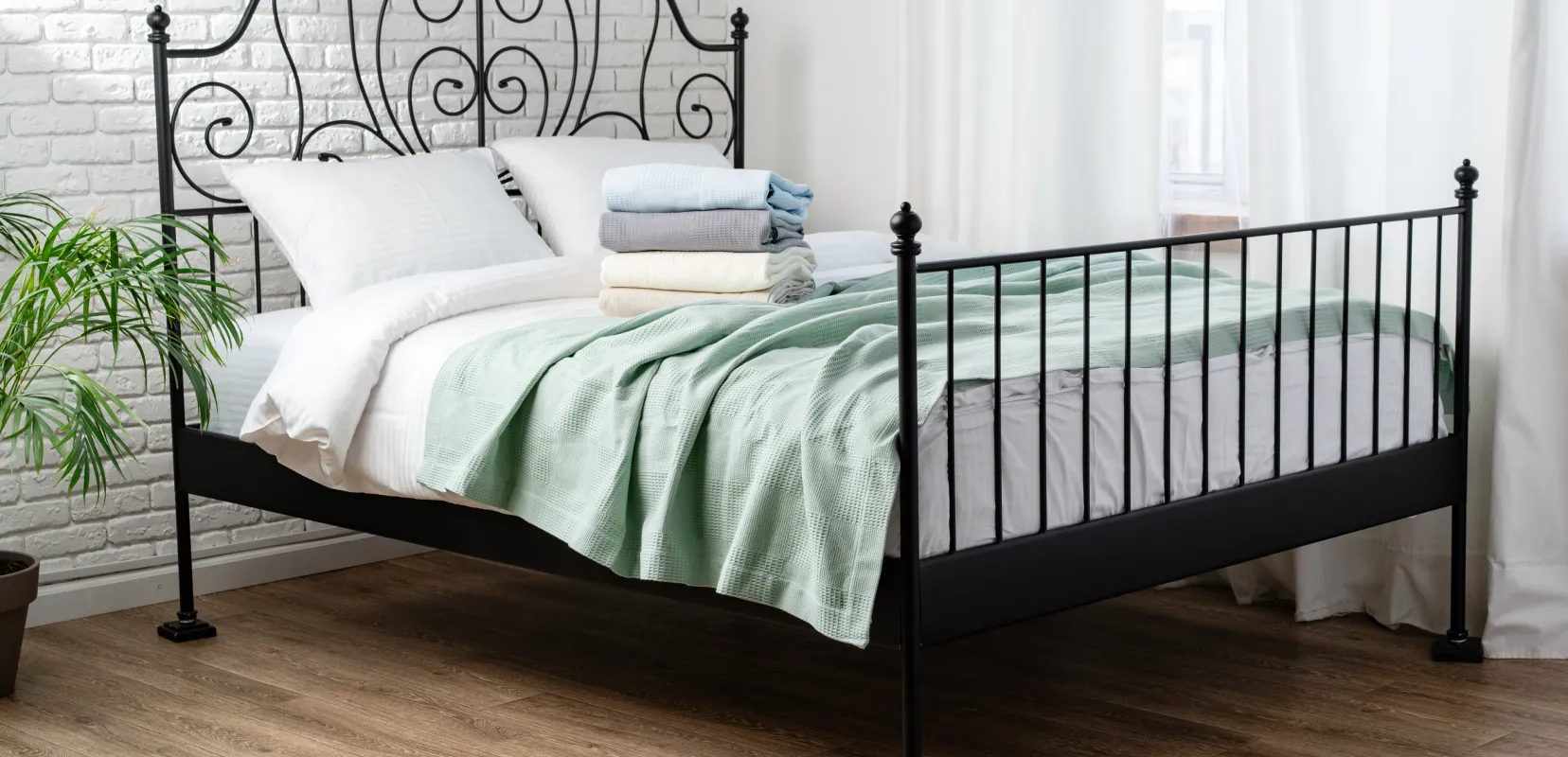
Platform bed frames for permanent installation in hotel guest rooms have specifications that differ from consumer platform beds. The commercial use case drives requirements around structural integrity, housekeeping access, mattress retention, and visual presentation.
Frame dimensions and clearances must match hotel mattress specifications and housekeeping workflows. Standard hotel mattress sizes follow North American consumer dimensions (Twin, Full, Queen, King, California King), but hotel frames typically include additional under-bed clearance (10 to 14 inches) to facilitate housekeeping access with commercial vacuum equipment. Frame width must include mattress retention tolerance — typically 1 to 2 centimeters of side clearance — to allow proper mattress placement without the mattress shifting during guest use.
Frame height matters for guest experience and ADA compliance. ADA-accessible rooms require mattress top surfaces between 17 and 23 inches above the finished floor, which drives frame height specifications. Non-ADA rooms typically use frames with 14-inch to 18-inch platform heights depending on the hotel brand’s aesthetic standard.
Structural reinforcement is more extensive in hotel platform bed frames than in consumer platform beds. Commercial frames typically include:
• Thicker steel tubing (1.5 to 2.0 mm wall thickness versus 1.0 to 1.2 mm for consumer products)
• Reinforced corner welds with gusseted joints to resist lateral loads
• Central support beam running the length of the frame to prevent sagging under continuous load
• Additional slat support (8 to 12 slats for Queen and King frames versus 6 to 8 for consumer products)
• Non-slip mattress retention strips to prevent mattress shift during guest use
Finish requirements emphasize durability over aesthetic variety. Most hotel platform bed frames are finished in powder-coated black, dark gray, or bronze tones that coordinate with room design standards while hiding minor wear and dust between cleaning cycles. Upholstered finishes are used in premium hotel segments but require more careful material selection for cleanability and stain resistance.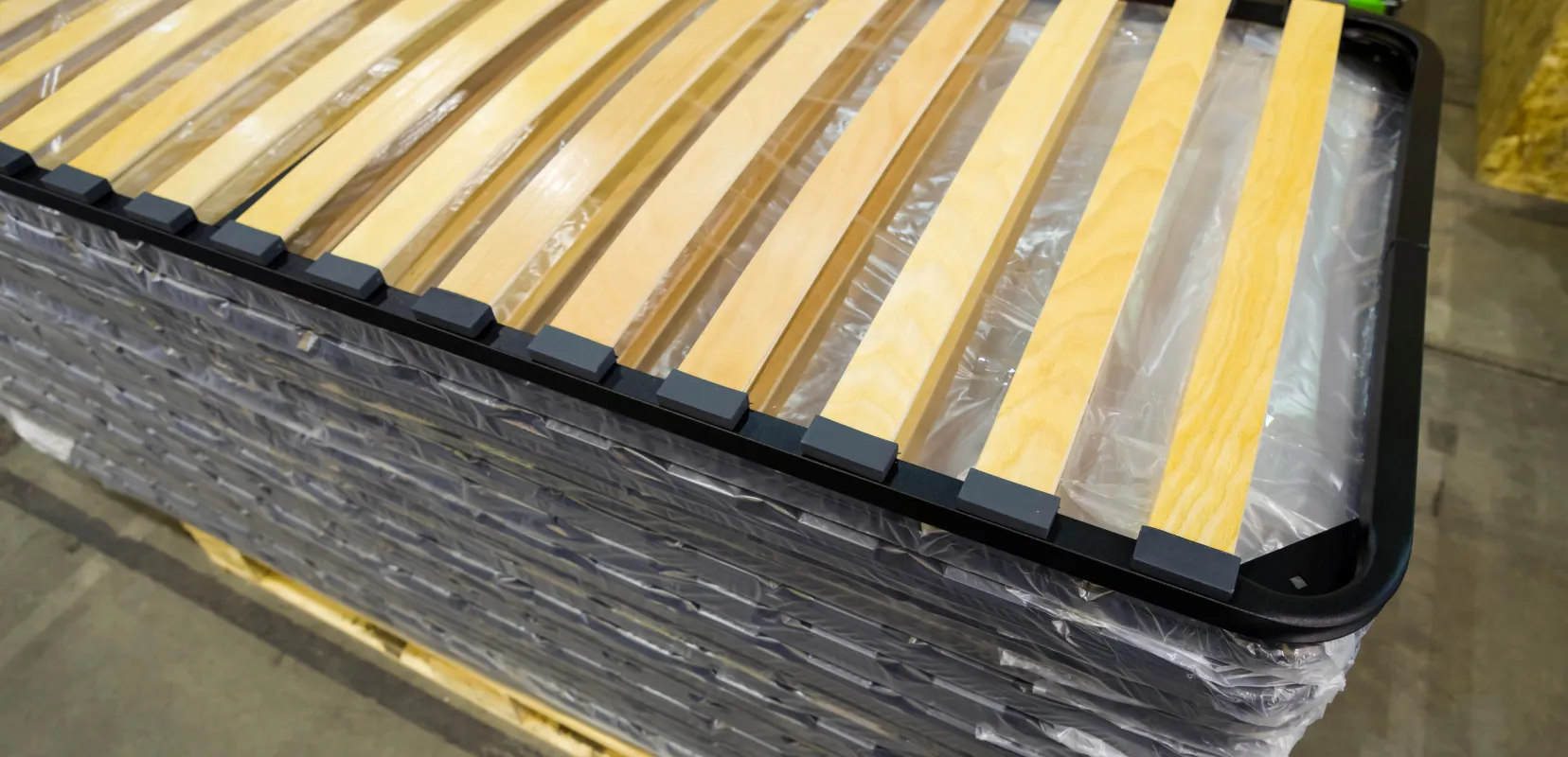
4. Rollaway Bed Manufacturer Selection for Hotel Guest Overflow Operations
Rollaway beds — also called folding guest beds or portable beds — serve a specific operational function in hotel operations. They provide guest overflow capacity for family rooms, extended-stay conversions, and unexpected occupancy increases without requiring permanent room reconfiguration. For hotel operations, rollaway bed sourcing affects housekeeping workflow, storage efficiency, and guest satisfaction for multi-guest room bookings.
Rollaway bed specifications for hotel use differ from consumer portable beds in several important ways.
The folding mechanism must tolerate frequent operation by housekeeping staff. A hotel rollaway may be folded and unfolded 200 to 500 times per year, compared to perhaps 10 to 20 times per year for a consumer portable bed. The folding hinges, safety locks, and support struts must be engineered for this operational intensity. Hotel rollaway beds typically use heavy-gauge steel tube construction (1.5 to 2.0 mm wall thickness), welded (not bolted) hinge mechanisms, and industrial-grade safety latches.
The caster system must roll smoothly on both carpet and hard-surface storage rooms. Hotel rollaway beds are rolled through carpeted hallways from storage rooms to guest rooms, then potentially back and forth between rooms during the guest stay. Low-quality casters create housekeeping difficulties — beds that resist rolling require more staff effort to move, which slows guest service response. Commercial-grade casters with ball-bearing swivels and appropriate wheel diameter (3 to 4 inches) for the floor surfaces provide reliable movement.
The mattress specification must balance guest comfort with storage practicality. Hotel rollaway mattresses typically range from 4 to 6 inches in thickness. Thicker mattresses provide better guest comfort but increase the folded size of the bed in storage. Thinner mattresses fold more compactly but provide less comfort. Most hotel operators settle on 5-inch foam or innerspring mattresses with commercial-grade fabric covers that can be cleaned between guest uses.
Storage dimensions in the folded position determine closet and storage room requirements. A standard hotel rollaway folds to approximately 32 inches wide, 36 inches tall, and 12 to 16 inches deep. Hotels with smaller storage closets may need to specify more compact folding designs; hotels with larger storage areas can accommodate wider-format rollaway beds with better guest comfort features.
Quantity-per-room planning is a procurement consideration. Hotels typically maintain 1 rollaway bed for every 15 to 25 guest rooms, depending on the property’s family-friendliness and the typical guest profile. A 300-room property may specify 15 to 20 rollaway beds for the initial order, with planned replacement on 5 to 7 year cycles.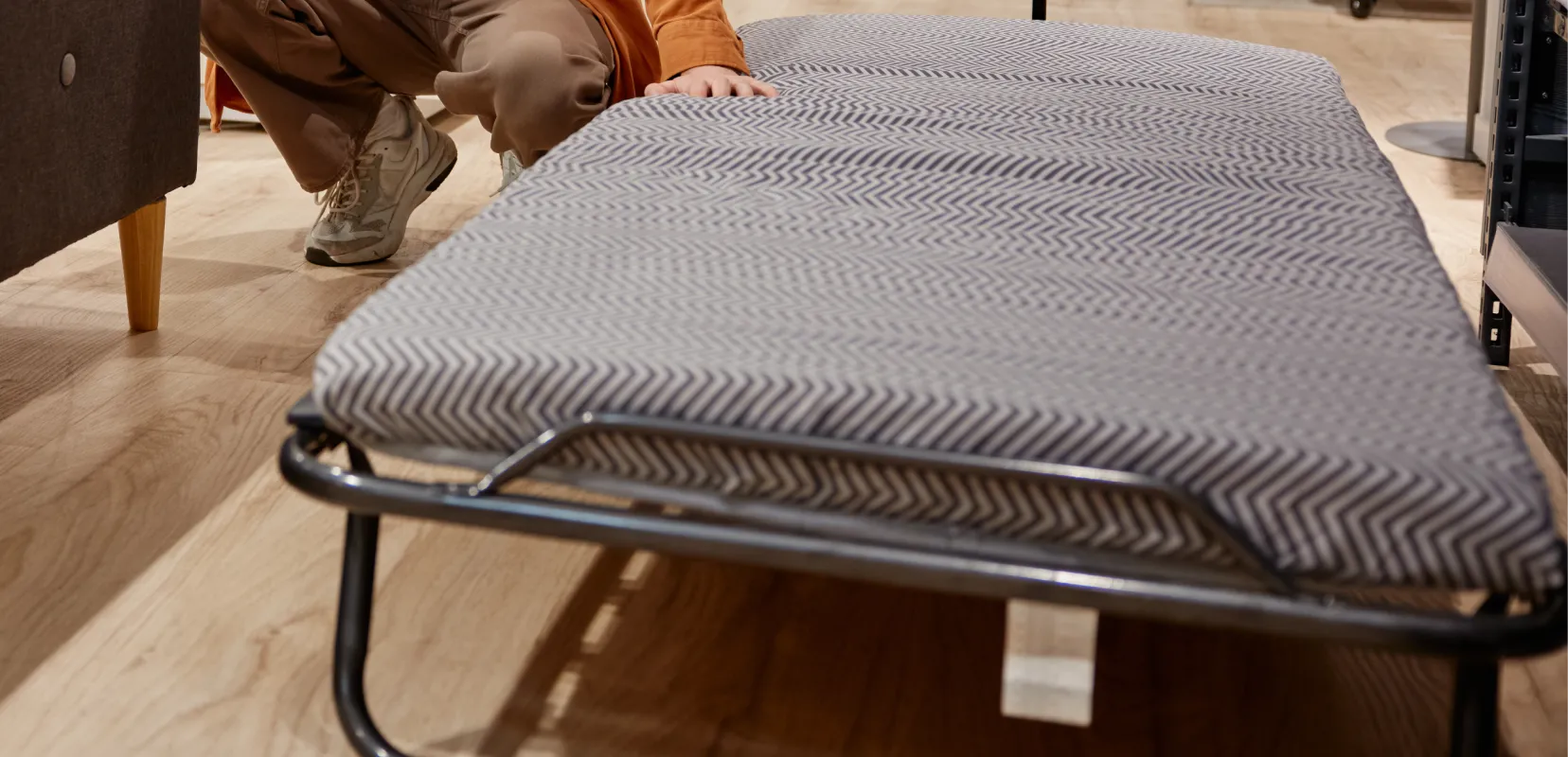
5. Hospitality Bed Frame Supply Chain: Lead Time and Project Coordination
Hotel procurement timelines differ from consumer furniture sourcing in ways that affect supply chain planning. New property construction, property acquisitions, and renovation programs involve long lead times and coordinated delivery schedules that the bed frame supplier must accommodate.
New property construction timelines typically run 18 to 36 months from site selection to property opening. Furniture specifications are usually finalized 6 to 12 months before opening, with factory production releases 90 to 150 days before delivery dates. For hotel bed frame suppliers, this means orders are placed with long lead visibility, but delivery dates are absolutely firm — property opening dates cannot slip due to furniture delays without significant financial consequences for the owner.
Property renovation timelines are typically more compressed than new construction but still operate on 3 to 12 month lead cycles. Hotel renovations are usually phased to maintain partial property operation during the renovation period, which creates rolling furniture delivery schedules. A 300-room property renovation may require delivery of 100 bed frames in Month 3, 100 more in Month 5, and the final 100 in Month 7, timed to match the phased room renovation schedule.
Hotel group rollout programs may involve multi-property coordination across 12 to 24 months. A hotel brand refreshing its design standards across 200 properties may specify a single bed frame design and coordinate production and delivery to each property on its renovation schedule. For the supplier, this requires production capacity consistency over an extended program timeline and ongoing specification consistency across years of production releases.
Ocean freight coordination is a logistics consideration for internationally sourced hotel furniture. Hotel furniture is typically shipped via ocean freight in dedicated container loads to property destinations or central receiving warehouses. Container loading efficiency affects freight cost and delivery timing. Suppliers with efficient flat-pack packaging can load 300 to 400 bed frames per 40-foot container; suppliers with less efficient packaging may load 200 to 250 frames per container, which increases per-unit freight cost by 30 to 60 percent.
Customs and documentation requirements for hotel furniture are similar to other commercial furniture imports. Commercial invoices, packing lists, bills of lading, and certificates of origin must be prepared accurately for each shipment. Some hotel brands require specific labeling or packaging standards that the supplier must accommodate — branded exterior cartons, specific carton counts per pallet, or property-specific labeling that identifies the destination property within the shipment.
6. Commercial Grade Bed Frame Warranty and Service Infrastructure
Warranty and service infrastructure for commercial bed frames affects total cost of ownership over the product’s service life. Hotel bed frames may operate for 10 to 15 years in service, which creates warranty and replacement part obligations that extend well beyond the initial sale.
Structural warranty terms for commercial bed frames typically range from 5 to 10 years depending on the supplier and specification tier. Coverage typically includes frame structural integrity, weld joint integrity, and coating performance. Exclusions typically include cosmetic damage, guest-inflicted damage, and improper housekeeping handling.
Replacement part availability is the warranty consideration that matters most in day-to-day operations. When a bed frame component fails — a broken leg, damaged caster, bent slat — hotels need replacement parts delivered quickly to restore the room to service. Suppliers who maintain dedicated parts inventory can ship replacement parts within 1 to 3 weeks; suppliers without dedicated parts inventory may require 4 to 12 weeks for parts delivery, during which time the affected room remains out of service or requires a replacement bed frame.
Technical documentation for field service allows hotel maintenance staff to perform minor repairs without supplier intervention. Documentation should include assembly diagrams, parts identification lists, and troubleshooting procedures for common issues. Suppliers who provide thorough technical documentation reduce the volume of service calls that require direct supplier support.
Warranty claim response time affects hotel operations when structural failures occur. Claims should be processed within 2 to 5 business days, with replacement product shipped within 1 to 3 weeks for single-unit warranty claims. Hotels operating tight room inventory during peak seasons may need expedited warranty handling, which should be discussed during supplier evaluation.
Long-term parts availability extends beyond the initial warranty period. Hotels may need replacement parts 8 to 12 years after original installation, long after warranty coverage has expired. Suppliers with stable product lines and long production histories typically have parts available for extended periods; suppliers with frequent product changes may phase out parts within 3 to 5 years, which creates replacement challenges for older installations.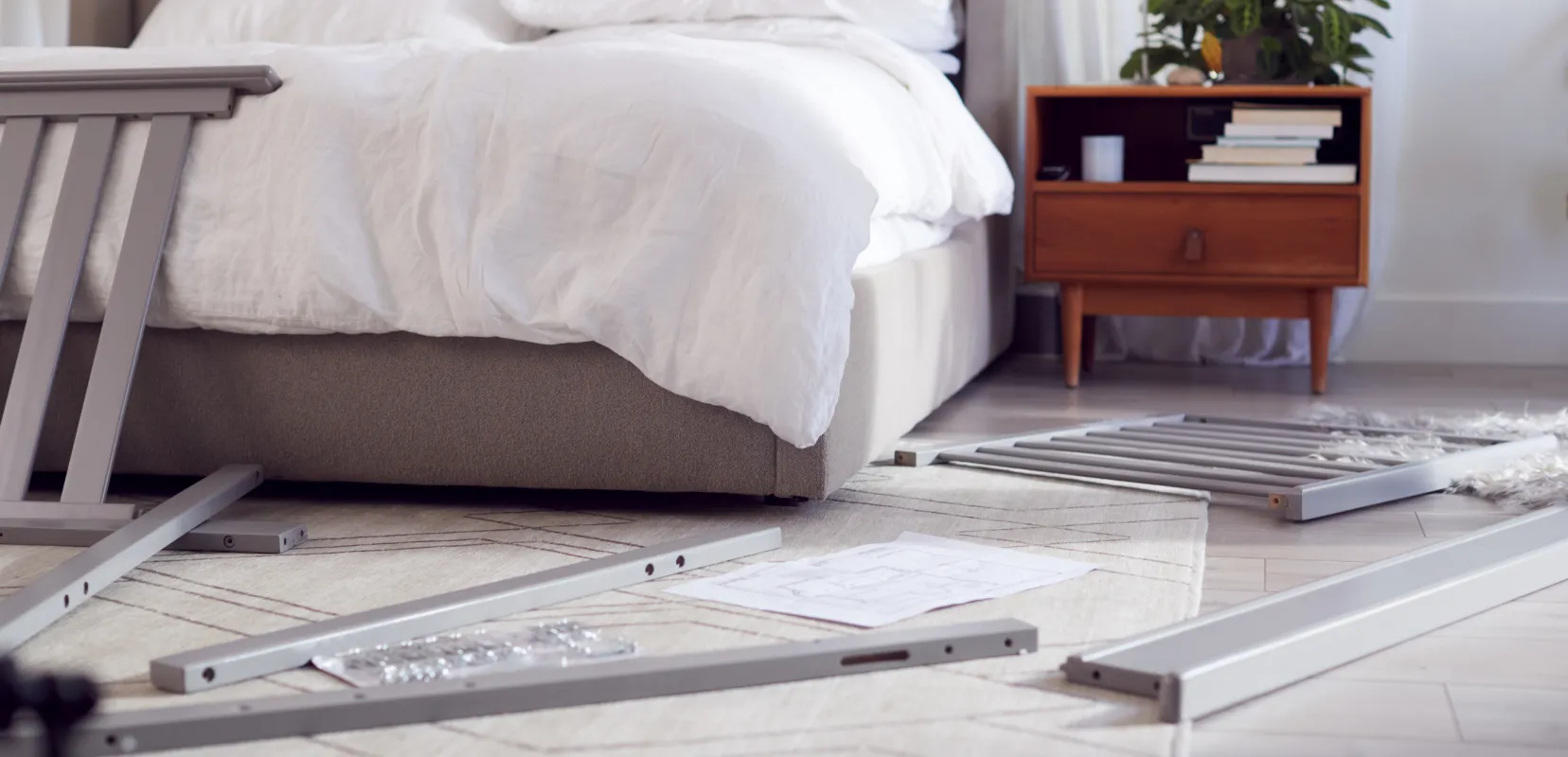
7. Hotel Furniture Wholesale Pricing Structure and Volume Economics
Hotel furniture pricing structures differ from consumer furniture pricing, with different margin expectations and volume commitment relationships.
Tier pricing structures are standard in hotel furniture procurement. Suppliers offer pricing that scales with order volume: Tier 1 pricing for orders under 100 units, Tier 2 pricing for 100 to 500 units, Tier 3 pricing for 500+ units. Volume tiers can deliver 10 to 25 percent price reductions between Tier 1 and Tier 3. For hotel groups with large consolidated orders, volume tier pricing can meaningfully affect program economics.
Annual volume commitments are common for hotel groups and chain operators. The hotel group commits to minimum annual order volumes across all properties; the supplier commits to preferred pricing, dedicated capacity, and priority lead time handling. These arrangements typically specify annual minimum purchase volumes (1,000 to 10,000 units depending on the hotel group size), with volume exceeding the minimum qualifying for additional tier discounts.
Exclusive supply arrangements may involve even deeper partnership structures. In exclusive arrangements, the supplier becomes the sole-source provider for a specific product category across the hotel group, in exchange for volume commitments, investment in specification customization, and service level agreements. These arrangements require multi-year commitment but deliver the most favorable pricing and service terms.
Payment terms for commercial hotel furniture procurement typically involve 30 to 50 percent deposits at order confirmation, with balance due on bill of lading or arrival at destination. Some supplier relationships extend to open account terms (Net 30 or Net 60) after the relationship is established and credit terms are approved. Payment terms affect working capital requirements for hotel operators and can be a meaningful negotiation element alongside unit pricing.
8. Hospitality Bed Supplier Partnership for Multi-Property Programs
Long-term partnership structures between hotel operators and bed frame suppliers deliver operational and economic advantages that transactional sourcing arrangements cannot match. The specification complexity, order volume variability, and service life duration of hotel furniture create switching costs that reward relationship continuity.
Standardized specifications across the hotel group simplify housekeeping training, maintenance inventory, and guest experience consistency. A hotel group with one bed frame specification across all properties can train housekeeping staff on a single product, stock a single set of replacement parts, and deliver consistent guest experience across the entire property portfolio. Specifications that change property by property create training complexity, parts inventory fragmentation, and guest experience variability.
Dedicated account management is standard in hotel supplier partnerships. The supplier assigns a specific account manager to the hotel group, with responsibility for specification maintenance, order coordination, quality issue resolution, and strategic planning support. This account management continuity allows the supplier to develop deep understanding of the hotel group’s requirements and operational rhythms.
Advance capacity planning coordinates supplier production capacity with hotel renovation and new build schedules. Hotel groups share multi-year property development plans with their key suppliers; suppliers reserve production capacity to match the planned order volumes. This advance coordination prevents capacity constraints during peak ordering periods and supports lead time reliability.
Quality consistency programs verify that production consistency is maintained over the course of multi-year supply programs. These programs typically include regular factory audits, quality sample submissions between orders, and documented specification change procedures. Consistency verification prevents specification drift that would otherwise accumulate over years of production releases.
New product development cooperation becomes possible in long-term partnerships. The hotel group shares feedback on product performance, guest feedback, and housekeeping operational insights; the supplier uses this information to improve product specifications and develop new products that better meet hospitality requirements. This cooperation benefits both parties by creating products that are better matched to actual use cases.
Source Your Hotel Bed Frames and Rollaway Beds from Seemoon
Seemoon manufactures hotel-grade bed frames and rollaway folding beds for hospitality procurement programs. Our production infrastructure supports the volume, quality consistency, and service requirements of hotel group procurement — 20 robot welding machines for structural consistency, in-house powder coating for durable finishes, ERP-managed production tracking, and dedicated quality inspection protocols for commercial applications.
Our hotel bed frame category includes heavy-duty platform bases engineered for permanent guest room installation, upholstered bed frames with integrated headboards for premium property standards, and rollaway folding beds with commercial-grade casters and safety-latched folding mechanisms for guest overflow operations. Available in all standard North American sizes with custom width and length options for international market adaptation.
Our manufacturing holds ISO 9001 and ISO 14001 certifications, and our facility has passed Walmart and Costco supplier audits — operational standards that exceed typical hospitality supplier requirements. We maintain dedicated spare parts inventory for warranty service support across multi-year supply programs.
If you are a hotel procurement director, hospitality design specifier, or hotel group purchasing manager evaluating bed frame and rollaway bed suppliers, contact our commercial accounts team. We will provide a detailed manufacturing proposal including specifications, lead time, pricing tiers, and volume commitment options within 48 hours.
-

Author
Seemoon
Seemoon is a Senior Product Expert and Sleep Ergonomics Specialist. With extensive experience in the design and manufacturing of adjustable beds and smart sleep solutions, Seemoon is dedicated to sharing authoritative insights on furniture innovation, ergonomic health, and global B2B sourcing trends. All content is grounded in authentic manufacturing expertise to help global buyers make informed decisions.