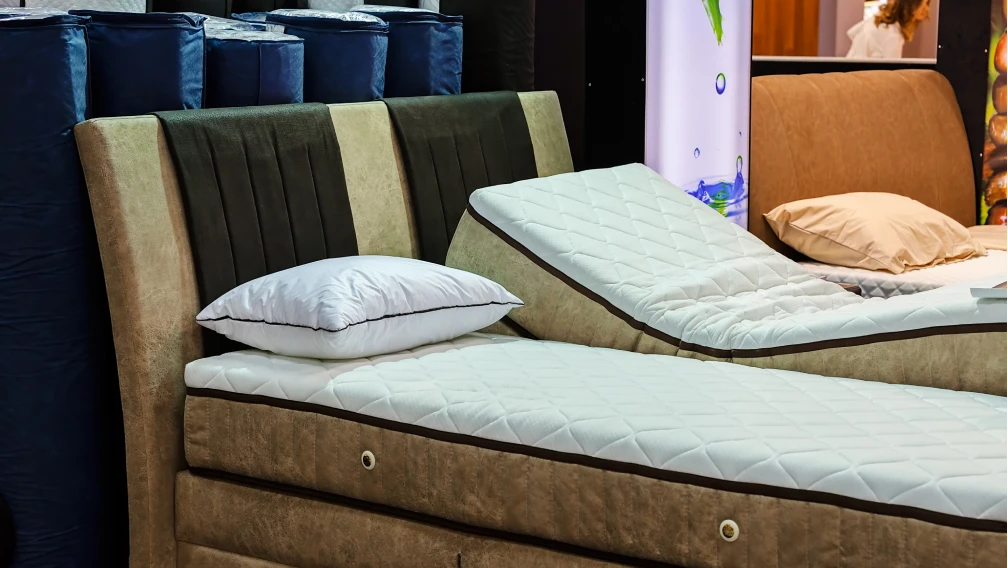

Metal bed frames are the backbone of the global bedding industry. For furniture retailers, e-commerce sellers, and wholesale distributors, understanding the structural and commercial differences between platform bed frames, folding bed foundations, storage bed frames, and other metal bed types is essential for accurate product sourcing, inventory planning, and margin optimization.
This guide covers the six major categories of metal bed frames used in residential, hotel, and institutional markets. It examines the construction methods, shipping efficiencies, target market segments, and OEM sourcing considerations for each type.
1. Why Metal Bed Frames Dominate the Wholesale Bedding Market
Metal bed frames have held a dominant position in the wholesale bedding market for decades, and the reasons are structural rather than aesthetic. Steel and iron frames offer several manufacturing and commercial advantages over solid wood, engineered wood, and upholstered alternatives.
First, metal frames are produced through highly repeatable manufacturing processes. Steel tube cutting, robot welding, and electrostatic powder coating can be automated to achieve consistent dimensional accuracy and finish quality across production runs of thousands or tens of thousands of units. This repeatability is critical for large retail and e-commerce programs that require identical specifications across multiple container shipments over multi-year supply agreements.
Second, metal bed frames achieve high weight capacity relative to their own weight. A steel platform bed frame weighing 30–50 lbs can support 800–1,000 lbs of load — a strength-to-weight ratio that solid wood frames cannot match at the same price point. This matters for shipping cost efficiency: lighter frames mean more units per container and lower per-unit freight costs.
Third, metal frames pack flat efficiently. Most metal bed frame designs fold or disassemble into compact flat-pack cartons that maximize container utilization and fit within courier shipping constraints for e-commerce direct-to-consumer delivery. This flat-pack capability has been a primary driver of the metal bed frame category’s growth in online retail channels.
Fourth, powder-coated steel is resistant to moisture, insects, and temperature fluctuations — making metal frames more durable in transit and storage than untreated wood. This reduces damage claims, returns, and warranty costs across the supply chain.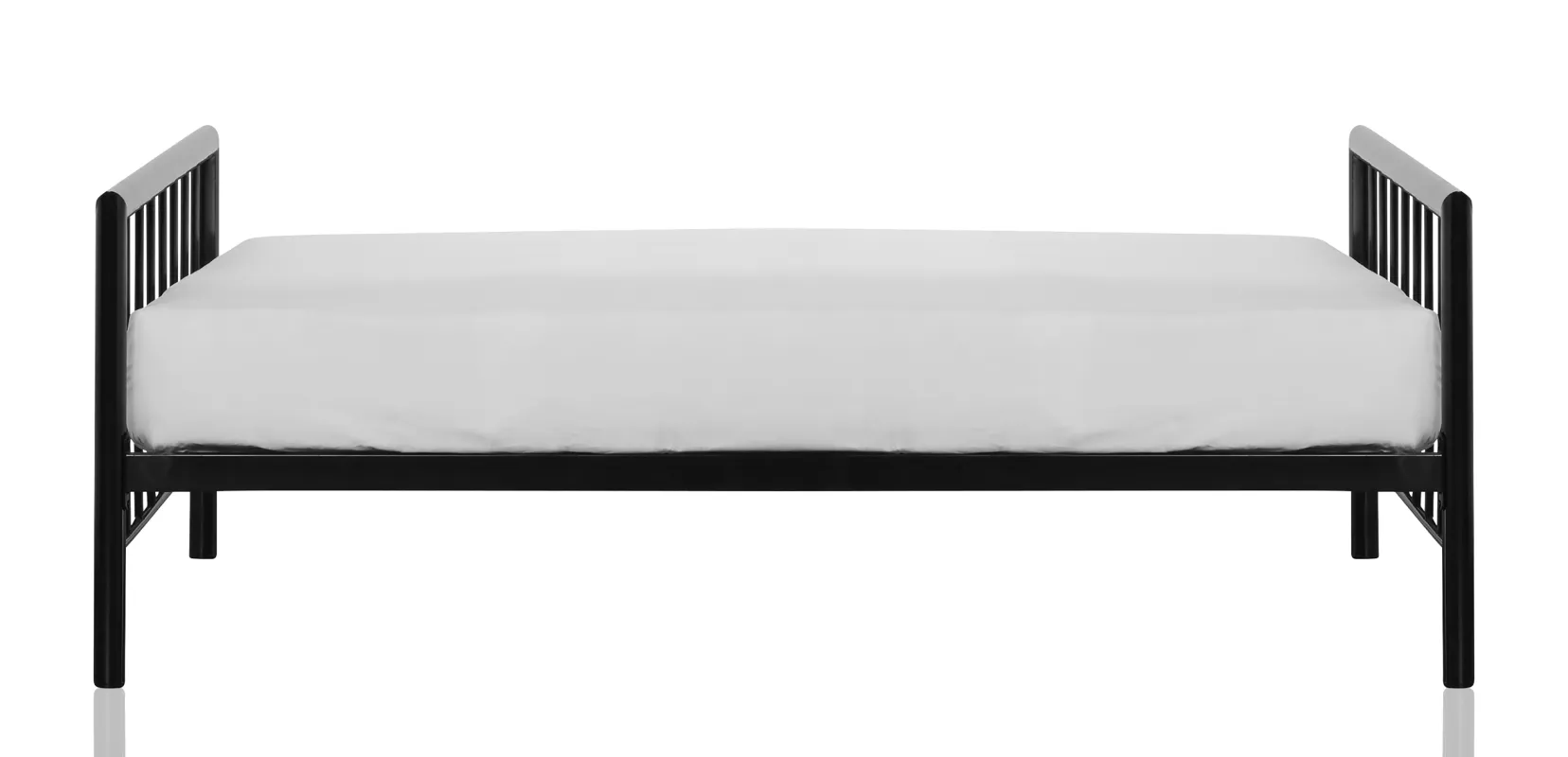
2. Platform Bed Frame: The Standard Steel Base for Residential and E-Commerce
The platform bed frame is the highest-volume category in the metal bed frame market. A platform bed is a fixed-height steel frame with integrated slat or grid support that holds a mattress directly, without requiring a box spring.
Platform bed frames typically consist of a rectangular steel tube perimeter, cross-support bracing, metal slats or a wire grid mattress support surface, and four to six legs with non-slip floor pads. The frame is designed for tool-free or minimal-tool assembly — the consumer unpacks the carton, unfolds or connects the frame sections, attaches the legs, and places the mattress on top.
The primary selling proposition of a platform bed frame is simplicity and value. It eliminates the cost and bulk of a box spring, provides consistent mattress support, and creates under-bed storage clearance (typically 12–14 inches depending on leg height). For e-commerce sellers, platform bed frames are a high-volume, low-return-rate product category that pairs well with mattress-in-a-box products.
| Specification | Typical Range |
| Frame material | Steel tube, 1.2–2.0 mm wall thickness |
| Finish | Electrostatic powder coat, black or grey |
| Slat type | Metal flat bar or wire grid |
| Leg height | 7–14 inches (adjustable on some models) |
| Weight capacity | 600–1,000 lbs |
| Assembly | Tool-free or Allen key only |
| Flat-pack carton size | 44 × 16 × 6 inches (Queen, approx.) |
| Available sizes | Twin, Twin XL, Full, Queen, King, Cal King |
For OEM sourcing, platform bed frames are the simplest product to specify and manufacture. The core design is standardized across the industry, and differentiation comes from leg style, finish color, slat spacing, headboard bracket compatibility, and packaging quality. Manufacturers with robot welding capability produce frames with more consistent weld quality and higher strength ratings than those relying on manual welding.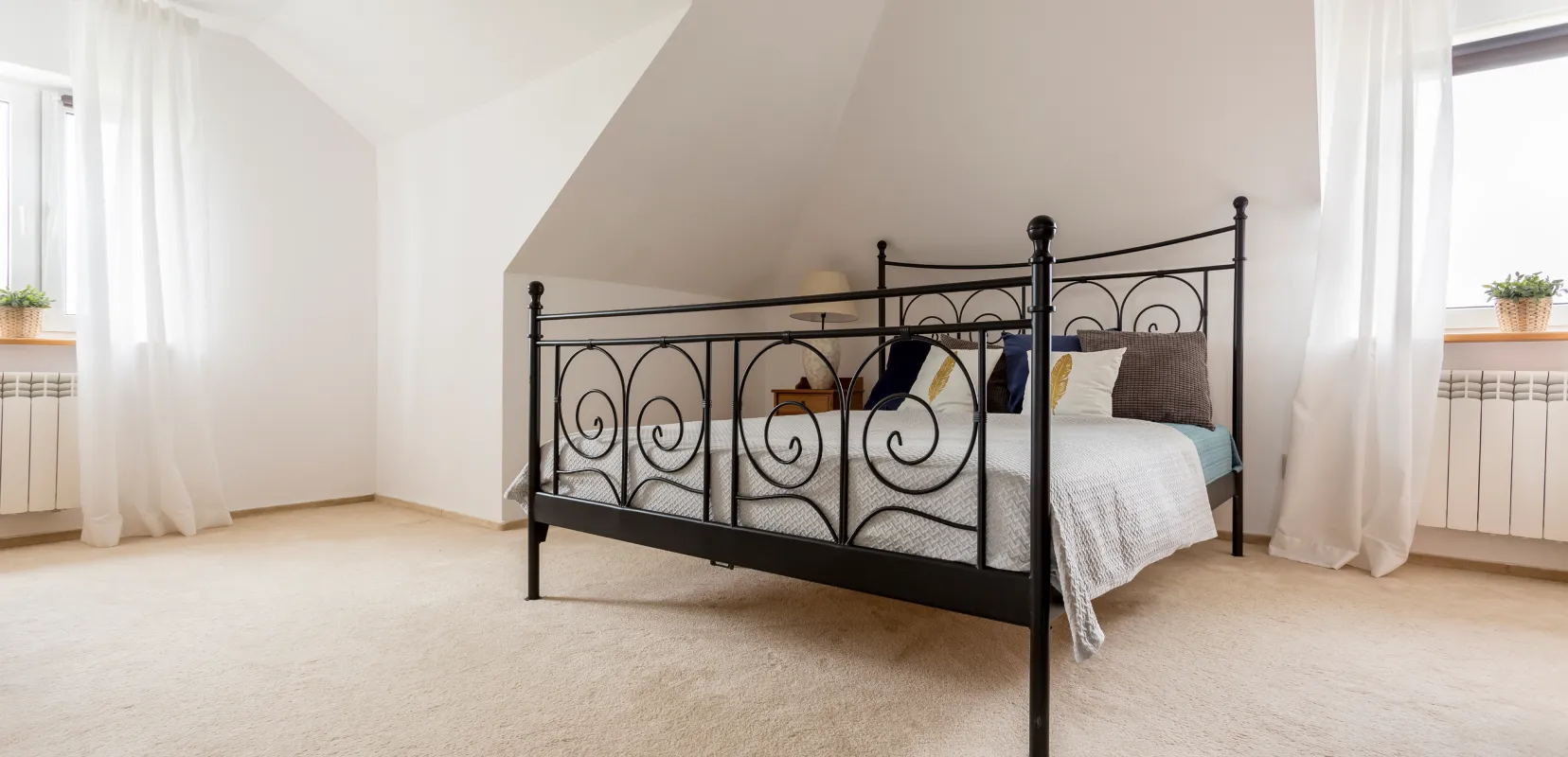
3. Folding Bed Foundation: Center-Fold and Triple-Fold Steel Bases
Folding bed foundations are metal bed bases engineered specifically for flat-pack shipping efficiency. The frame folds along one or two axes to reduce the packaged dimensions, enabling lower freight costs and compatibility with standard courier delivery for e-commerce direct-to-consumer fulfillment.
A center-fold bed foundation folds once along the center of the frame, creating a package approximately half the length of the assembled bed. A triple-fold (or tri-fold) foundation folds into thirds, creating an even more compact package. Both designs use spring-loaded or gravity-assisted folding mechanisms and require no tools for setup — the consumer simply unfolds the frame, locks the hinges, and places the mattress.
The folding mechanism adds some complexity and cost compared to a non-folding platform frame, but the shipping savings typically offset this premium. A triple-fold queen bed foundation can ship in a carton as small as 28 × 16 × 8 inches — small enough for UPS or FedEx Ground delivery, which is a critical capability for e-commerce fulfillment.
For wholesale buyers, the key specification concern with folding bed foundations is hinge durability and load-bearing capacity at the fold points. The folding hinge is the structural weak point of the design. High-quality folding foundations use reinforced hinge brackets with dual-rivet or welded connections. Low-cost alternatives may use stamped-metal hinges that can deform or creak over time.
Weight capacity on folding foundations is generally lower than non-folding platforms — typically 600–800 lbs compared to 800–1,000 lbs for rigid platform frames. This is adequate for most residential applications but may be insufficient for bariatric use or institutional settings.
Container loading for folding bed foundations is highly efficient due to the compact carton size. A 40-foot container can typically hold 500–700 triple-fold queen foundations, compared to 300–400 standard platform bed frames of the same size. This higher loading density translates directly to lower per-unit ocean freight cost.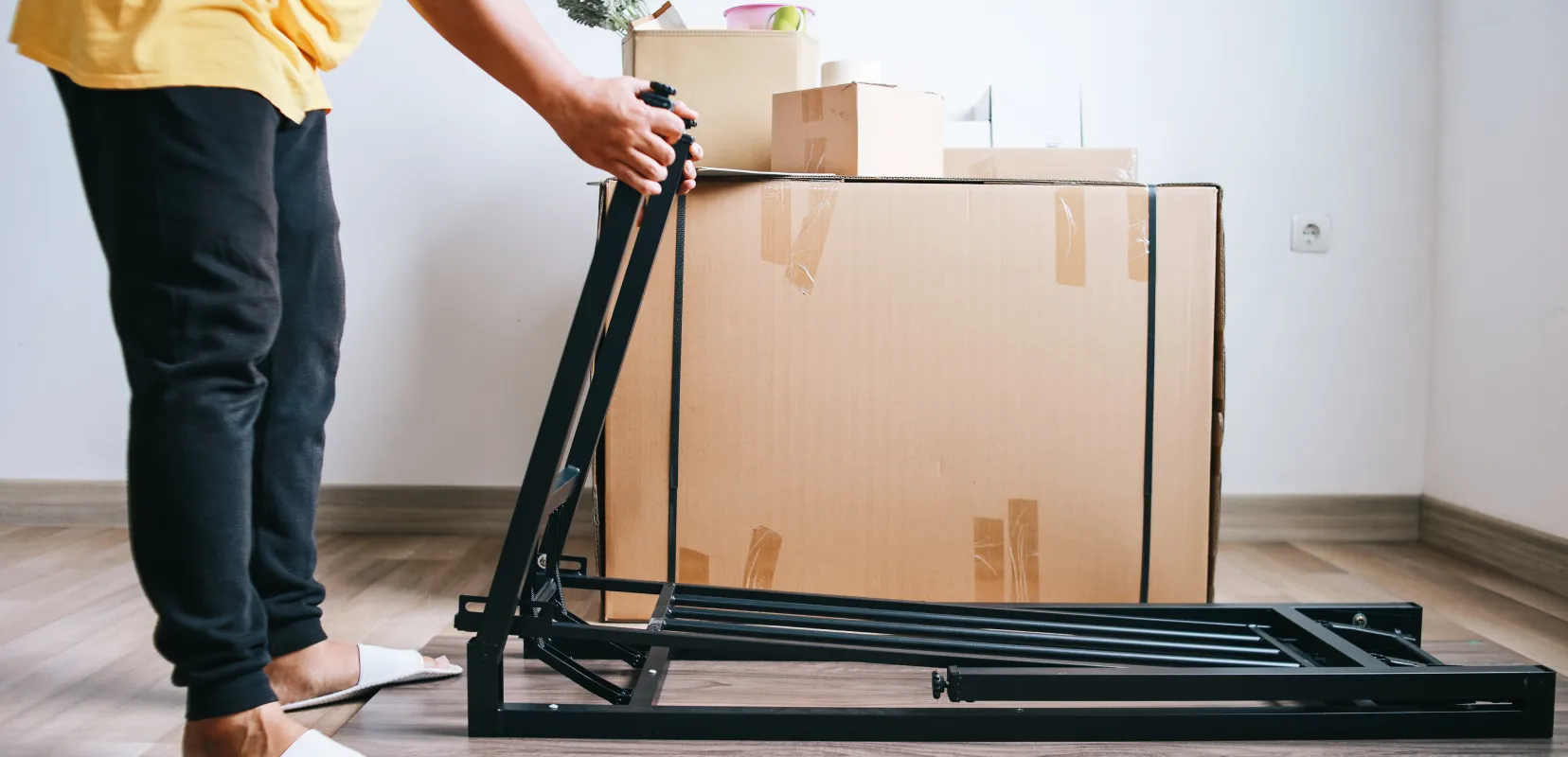
4. Upholstered Steel Bed Frame: Fabric-Wrapped Frames with Integrated Headboards
Upholstered bed frames combine a powder-coated steel internal skeleton with fabric-wrapped panels and an integrated headboard. This category targets the mid-to-premium retail segment where consumers want a complete bed aesthetic — headboard, side rails, and footboard — in a single product rather than purchasing a separate frame and headboard.
The construction typically consists of a steel tube base frame for structural support, plywood or MDF panels attached to the steel frame, foam padding over the panels, and fabric upholstery covering the entire visible surface. The mattress sits on wooden slats supported by the internal steel structure.
Common headboard styles include tufted (diamond or button tufting), channel-stitched (vertical or horizontal channels), wingback (side panels extending from the headboard), and clean-line panel (smooth upholstered surface without tufting). Fabric options range from polyester linen-look to velvet, microfiber, and faux leather.
For wholesale buyers, upholstered bed frames occupy a different market position than basic metal platform frames. They sell at higher price points (typically 2–4 times the price of a basic platform frame), carry higher perceived value, and generate better in-store display impact for brick-and-mortar retailers. However, they also have higher per-unit costs, larger packaging dimensions, and more complex assembly requirements.
Shipping and packaging are the main logistical challenges with upholstered bed frames. The headboard and side panels add significant carton volume compared to a basic metal frame. A queen upholstered bed frame may require two cartons — one for the base frame and one for the headboard — whereas a platform frame ships in a single compact carton. This reduces container loading efficiency and increases per-unit freight costs.
OEM customization options for upholstered bed frames are extensive: fabric type, color, headboard design, tufting pattern, leg material (metal or wood), leg height, and overall frame dimensions. This customization capability allows brands to create differentiated products, but it also means longer development timelines and higher minimum order quantities compared to standardized metal platform frames.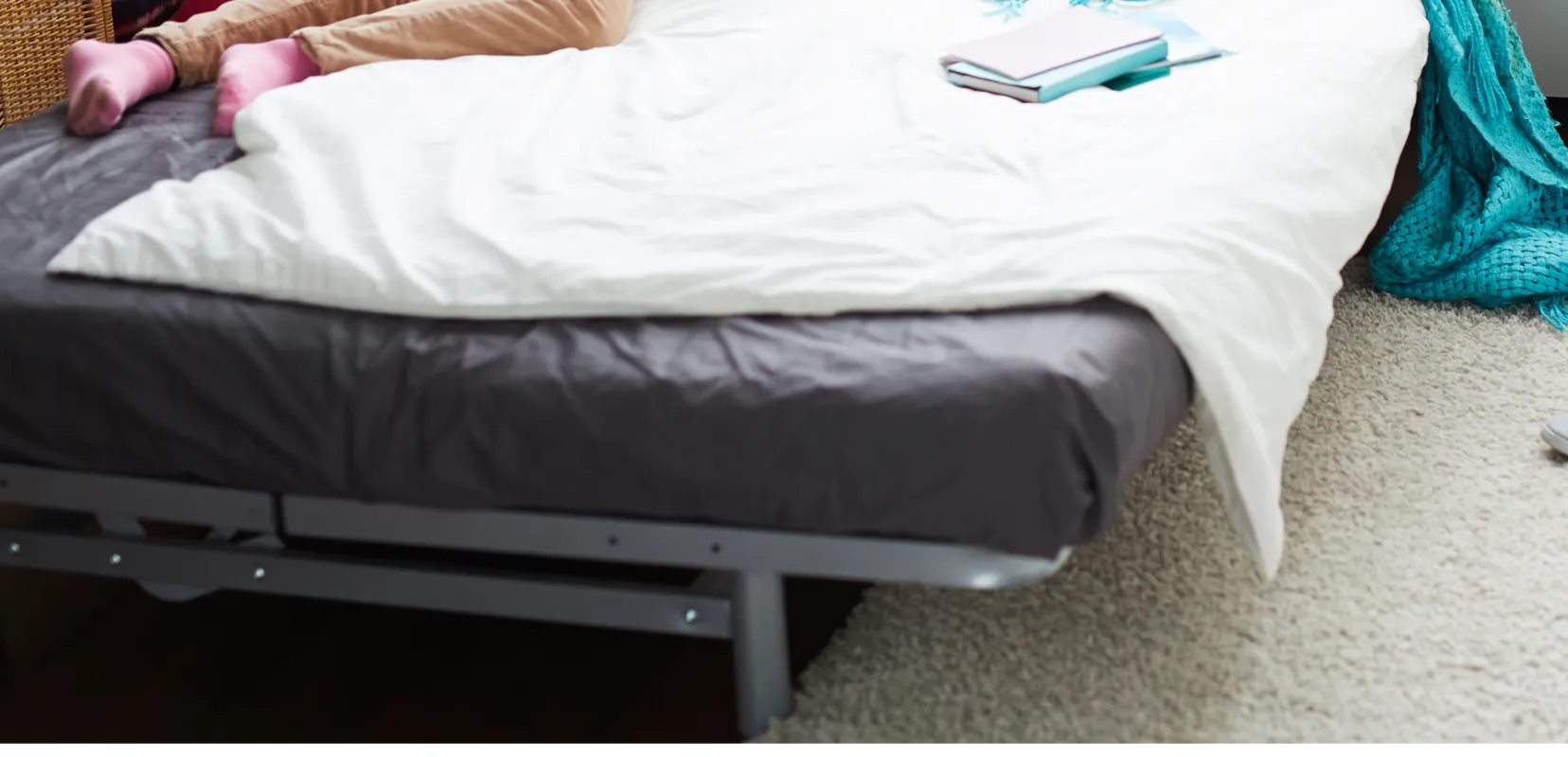
5. Storage Bed Frame: Lift-Up and Drawer Designs for Space-Efficient Living
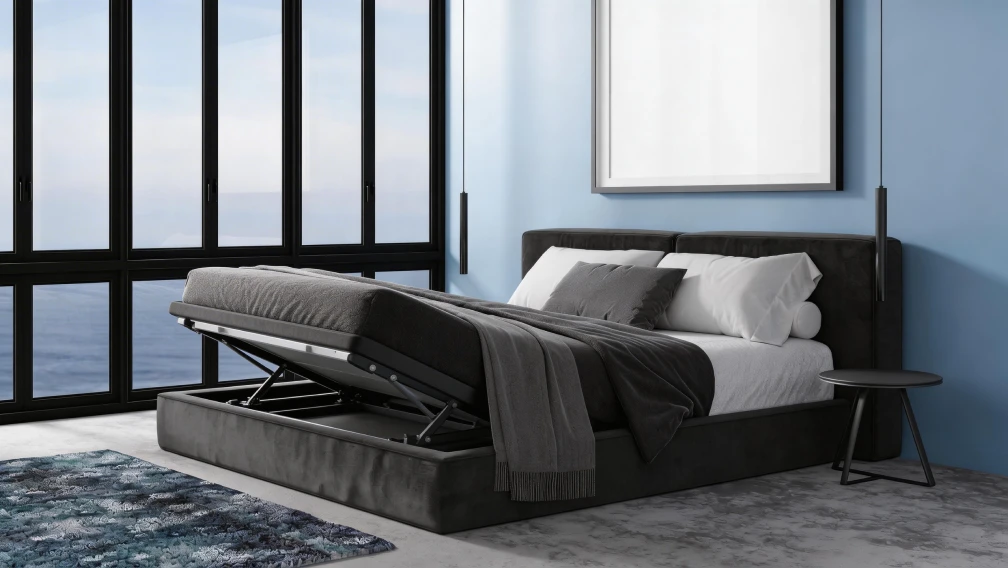
Storage bed frames integrate concealed storage compartments into the bed base, creating a dual-function furniture piece that serves both as a sleeping surface and as a significant storage volume. This category has grown in parallel with the urbanization trend and the shrinking average apartment size in major metropolitan markets.
Lift-up storage beds use hydraulic gas struts to raise the entire mattress platform, revealing a large open storage compartment beneath. The gas struts support the weight of the mattress and allow easy one-handed lifting. The storage volume in a queen lift-up bed is typically 40–60 cubic feet — equivalent to a small closet.
Drawer storage beds integrate pull-out drawers into the bed frame sides. Drawer configurations vary from two drawers (one per side) to six drawers (three per side). Drawer storage beds provide easier access to stored items compared to lift-up designs — the user does not need to remove bedding to access storage — but offer less total storage volume.
Construction of storage bed frames typically combines a steel structural frame with engineered wood panels for the storage compartment walls and platform surface. The exterior is usually upholstered with fabric to match the headboard and side panels.
| Feature | Lift-Up Storage | Drawer Storage |
| Storage access | Raise entire mattress platform | Pull out individual drawers |
| Storage volume (Queen) | 40–60 cubic feet | 15–25 cubic feet |
| Bedding removal required? | Yes — must clear mattress surface | No — drawers access from sides |
| Mechanism | Hydraulic gas struts | Drawer slides (ball bearing or roller) |
| Wall clearance needed | No — lifts vertically | Yes — drawer extension space needed |
| Assembly complexity | Moderate | Moderate to high |
| Retail price positioning | Mid to premium | Mid to premium |
| Packaging volume | Large — multiple cartons | Large — multiple cartons |
For wholesale buyers, storage bed frames represent a higher-margin product category but with more complex logistics. The combination of steel, engineered wood, and upholstery in a single product creates heavier, bulkier packages that are less efficient to ship than basic metal frames. Container utilization is lower, and per-unit freight costs are higher. These increased logistics costs must be factored into margin calculations.
6. Rollaway Bed and Hotel Folding Bed: Portable Guest Bed Solutions
Rollaway beds — also called folding guest beds or portable beds — are self-contained sleep systems that fold into a compact upright position for storage and transport. They are standard equipment in the hotel and hospitality industry, where housekeeping teams deploy them for guest overflow, family room setups, and suite conversions.
A typical rollaway bed consists of a steel tube frame with cross-brace reinforcement, a spring deck or metal slat mattress support, a foam or innerspring mattress (4–6 inches thick), a folding mechanism with a safety latch, and four swivel casters for rolling transport. When folded, the bed stores upright in a closet or storage room, occupying approximately 3–4 square feet of floor space.
The hotel and hospitality market has specific requirements that differ from residential bed frames. Hotels need rollaway beds that withstand frequent folding and unfolding by housekeeping staff — the folding mechanism must be durable enough for daily use over a 5–10 year service life. The casters must roll smoothly on both carpeted hallways and hard-surface storage rooms. The mattress must maintain comfort and hygiene through frequent guest use and periodic commercial laundering of the cover.
For wholesale buyers serving the hospitality channel, rollaway beds are a stable, recurring-demand product. Hotels replace rollaway beds on predictable cycles, and new hotel construction creates bulk procurement opportunities. The key competitive factors in this segment are unit price, caster quality, folding mechanism durability, and mattress comfort level.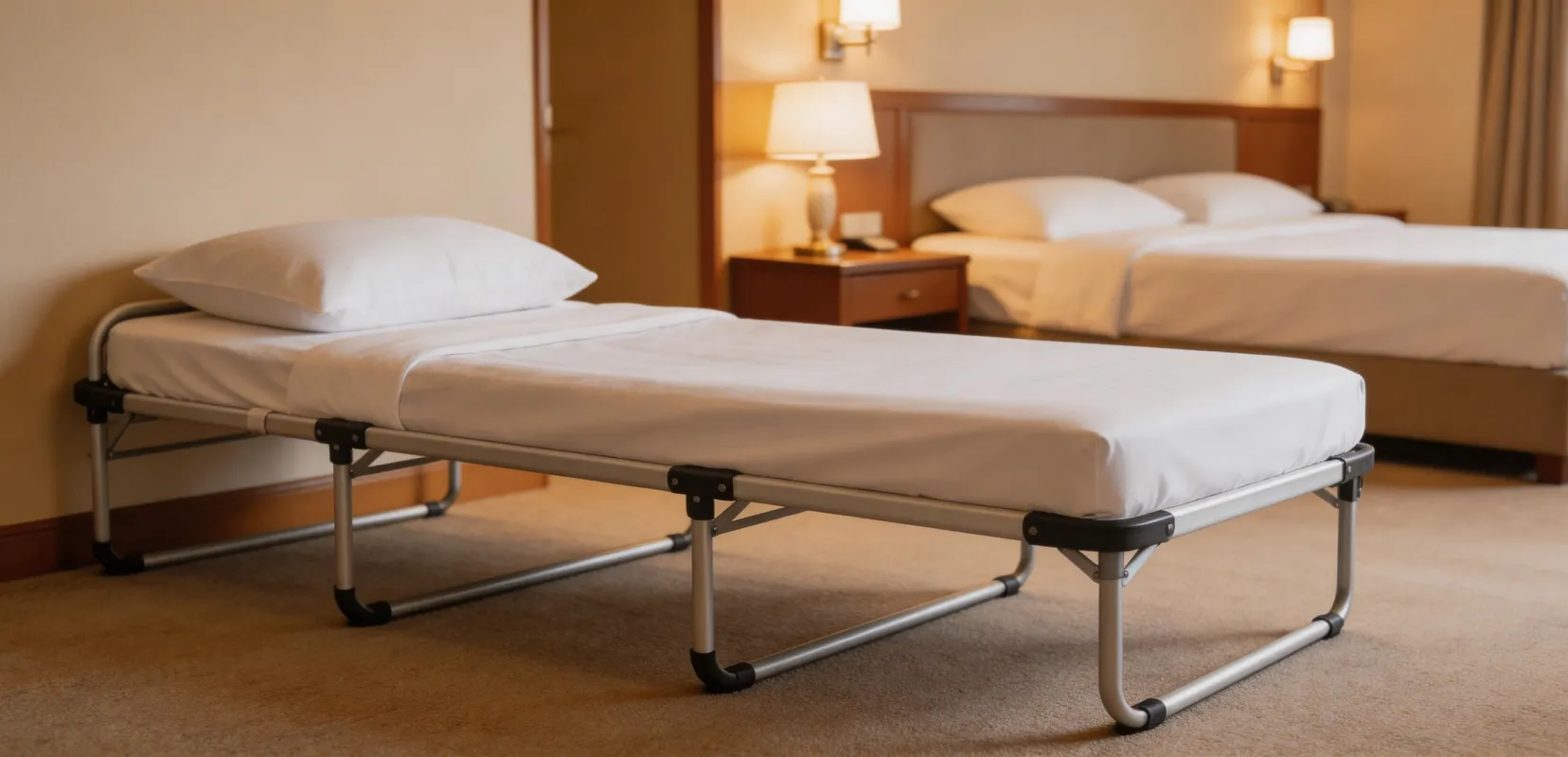
7. Metal Bed Frame Manufacturing: How Production Methods Affect Product Quality
The manufacturing method used to produce a metal bed frame directly affects its structural integrity, finish quality, weight capacity rating, and long-term durability. For wholesale buyers evaluating OEM suppliers, understanding these production methods helps distinguish between high-quality and low-quality supply sources.
Steel tube cutting is the first production step. CNC-controlled tube cutting machines produce precise, consistent cuts that ensure frame sections fit together accurately during assembly. Manual cutting introduces dimensional variance that can result in alignment issues and inconsistent assembly.
Welding is the most critical quality determinant in metal bed frame manufacturing. Robot welding machines produce consistent, high-strength welds with uniform penetration and bead profiles. Manual welding depends on the skill of the individual welder and produces more variable results. Frames produced with robot welding generally achieve higher weight capacity ratings and pass structural load testing more consistently than manually welded frames.
Surface preparation before coating affects the adhesion and durability of the finish. Shot blasting removes mill scale, rust, and surface contaminants from the raw steel, creating a clean surface profile that the powder coating can bond to. Frames that skip shot blasting may have adhesion issues that cause the coating to chip or peel during transit or use.
Electrostatic powder coating is the standard finishing process for metal bed frames. The powder is applied as a dry, electrostatically charged particle layer and then cured in an oven at 180–200°C. The result is a smooth, durable finish that resists scratching, chipping, and corrosion. The coating thickness — typically measured in microns — affects both appearance and durability. A coating thickness of 60–80 microns is standard for commercial bed frames.
Quality testing at the factory should include structural load testing (applying the rated weight capacity to the assembled frame and holding for a specified duration), weld joint inspection (visual and/or destructive testing on sample units), coating adhesion testing (cross-cut or pull-off testing), and dimensional verification (checking frame dimensions against the engineering specification).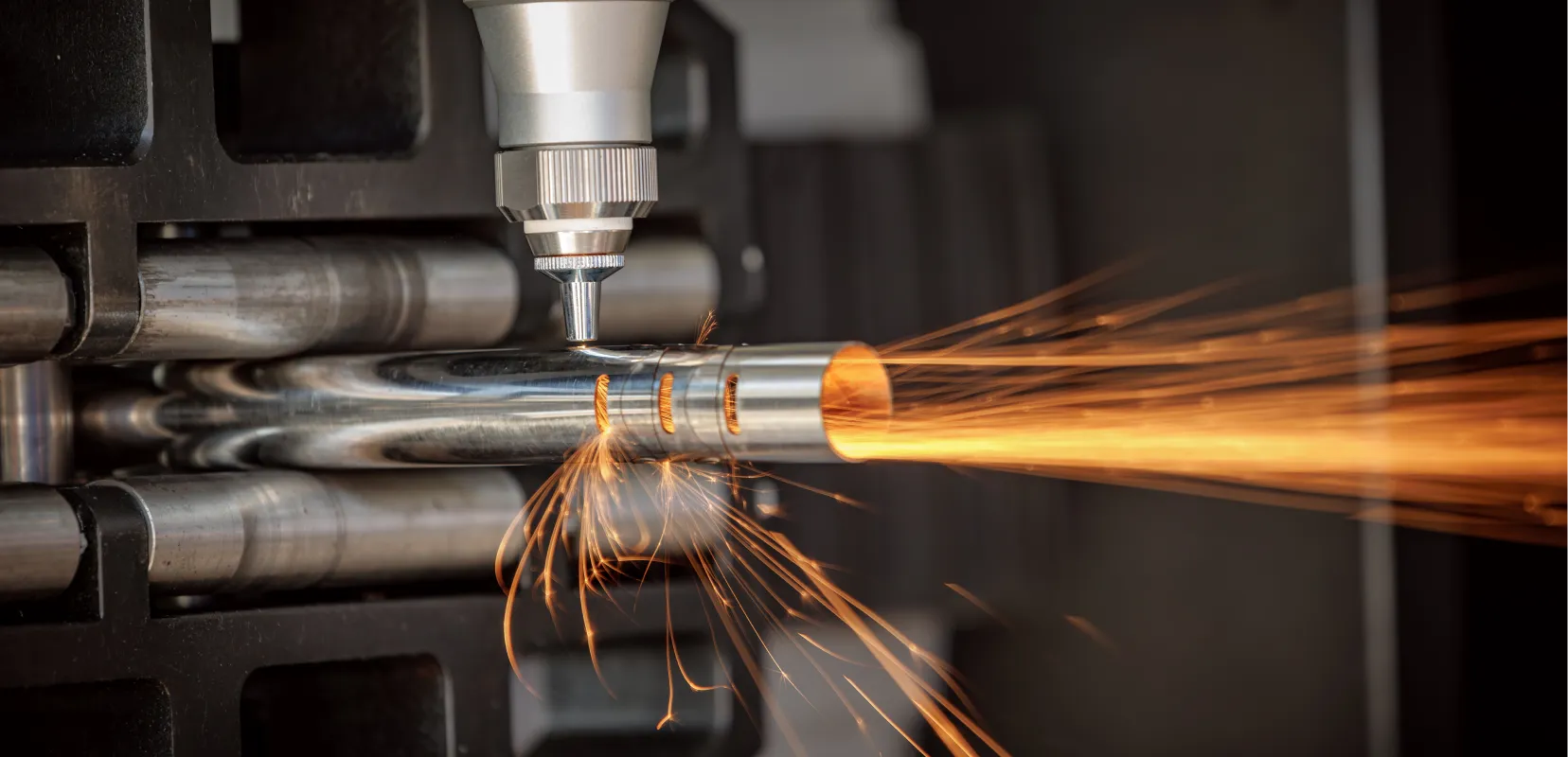
8. Flat-Pack Packaging and Container Loading: Shipping Economics for Metal Bed Frames
Packaging engineering is a critical but often underappreciated factor in the economics of metal bed frame sourcing. The carton dimensions, packaging materials, and container loading configuration directly affect the per-unit landed cost — and in the thin-margin bed frame category, a few dollars of freight cost difference per unit can determine whether a product is commercially viable.
Flat-pack design is the foundation of shipping efficiency for metal bed frames. Every frame model should be engineered to disassemble or fold into the most compact carton possible without compromising structural integrity after reassembly. The target is to fit the complete frame — including all hardware, legs, and assembly instructions — into a single carton that can be shipped by standard courier services (UPS, FedEx Ground) for the e-commerce channel.
Container loading optimization requires matching carton dimensions to container interior dimensions. A standard 40-foot shipping container has internal dimensions of approximately 12.0 × 2.35 × 2.39 meters (39.5 × 7.7 × 7.8 feet). The goal is to stack cartons with minimal wasted space. Even a few centimeters of wasted space per carton layer can reduce total container loading by 5–10%, which translates directly to higher per-unit freight cost.
For OEM buyers, it is worth discussing packaging optimization with the manufacturer before finalizing product specifications. An experienced manufacturer can often modify leg height, frame dimensions, or folding mechanism design to achieve a carton size that loads more efficiently into standard containers.
Packaging materials affect both product protection and unit cost. Standard packaging includes corrugated cardboard cartons (C or BC flute), foam corner protectors or EPE foam wrapping, polyethylene bag or shrink wrap for scratch prevention, and printed assembly instructions. For Amazon FBA fulfillment, cartons may need to meet specific size, weight, and labeling requirements that affect packaging design.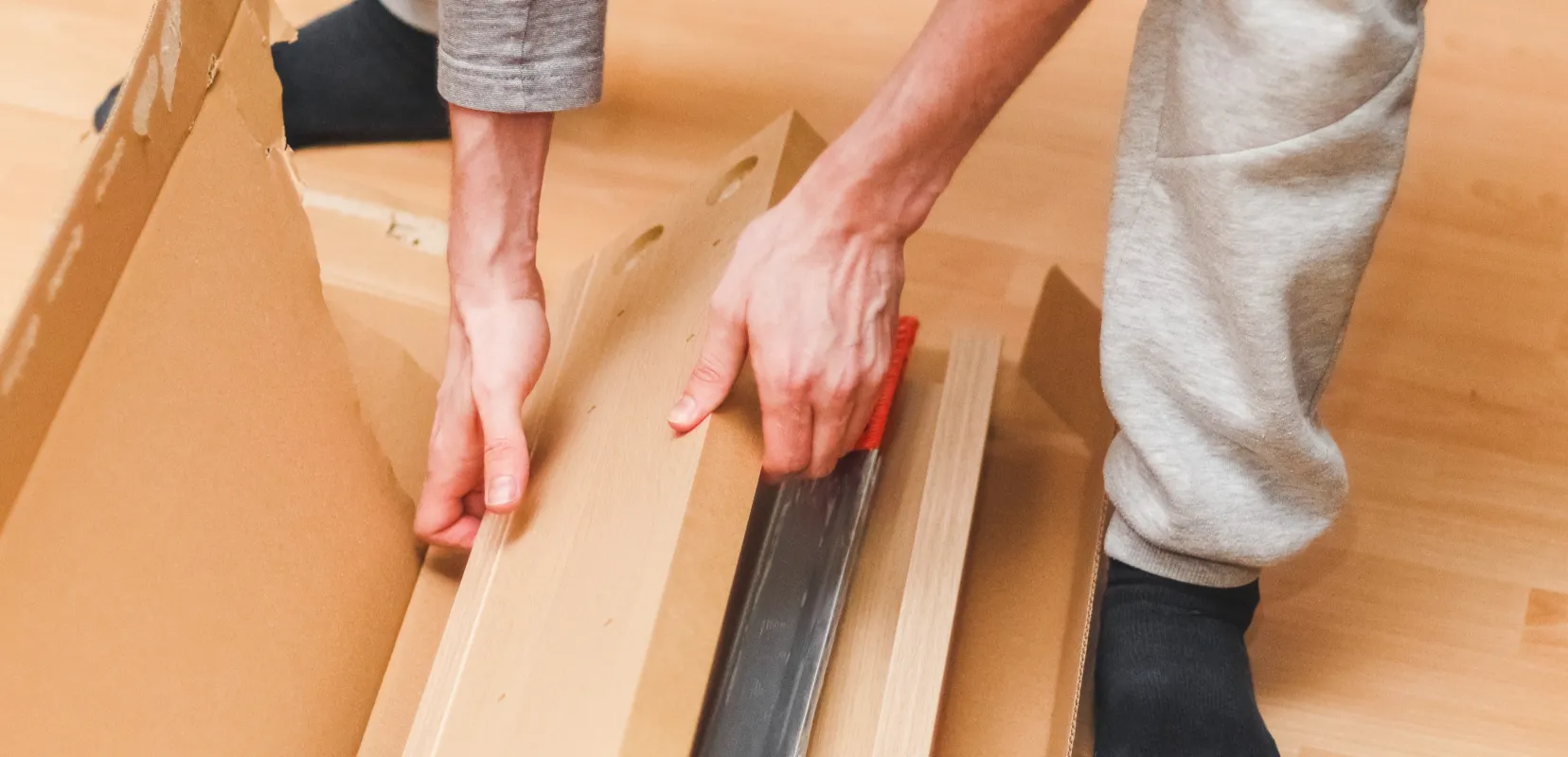
9. How to Source Metal Bed Frames: OEM Evaluation Criteria for Wholesale Buyers
Evaluating an OEM manufacturer for metal bed frames involves assessing both production capability and supply chain reliability. The following criteria help wholesale buyers distinguish between manufacturers who can support long-term programs and those who may struggle with consistency.
Production volume capacity should match your projected order volumes with room for growth. Ask about monthly output capacity, current production line utilization, and the manufacturer’s ability to scale up during peak seasons (typically Q3 and Q4 for the North American bedding market).
Product range breadth indicates manufacturing flexibility. A manufacturer who produces platform frames, folding foundations, upholstered frames, storage beds, and rollaway beds from the same facility is likely to have more versatile production capabilities — and can serve as a single-source supplier for your entire bed frame product line.
Quality certifications provide a baseline for manufacturing standards. ISO 9001 certification indicates a documented quality management system. Walmart and Costco factory audit passing demonstrates compliance with major retail supply chain requirements. ISTA 3A certification confirms that the packaging has been tested against transit hazard simulations.
Sample quality should be evaluated against production consistency. Request samples from actual production runs rather than specially prepared show samples. Inspect weld quality, coating finish, assembly hardware fit, slat spacing uniformity, and leg attachment stability.
Lead time reliability can be verified by checking references from current OEM customers. Ask specifically about on-time delivery rates, communication responsiveness during production, and the manufacturer’s handling of quality issues or order changes.
Source Metal Bed Frames for Your Retail or E-Commerce Program
Seemoon manufactures all six categories of metal bed frames covered in this guide — platform bases, folding foundations, basic metal frames, upholstered frames, storage beds, and rollaway hotel beds. With over 3 million bed frames shipped to North America across 8 years and annual capacity exceeding 360,000 units, we provide the production scale, quality consistency, and OEM customization support required for retail and e-commerce supply programs.
Our manufacturing facilities operate 20 robot welding machines, in-house powder coating lines, and dedicated flat-pack packaging stations. We support full private label programs including frame design modification, finish customization, packaging branding, and compliance testing.
Contact our sales team for a manufacturing proposal based on your product specifications and volume requirements.
-

Author
Seemoon
Seemoon is a Senior Product Expert and Sleep Ergonomics Specialist. With extensive experience in the design and manufacturing of adjustable beds and smart sleep solutions, Seemoon is dedicated to sharing authoritative insights on furniture innovation, ergonomic health, and global B2B sourcing trends. All content is grounded in authentic manufacturing expertise to help global buyers make informed decisions.