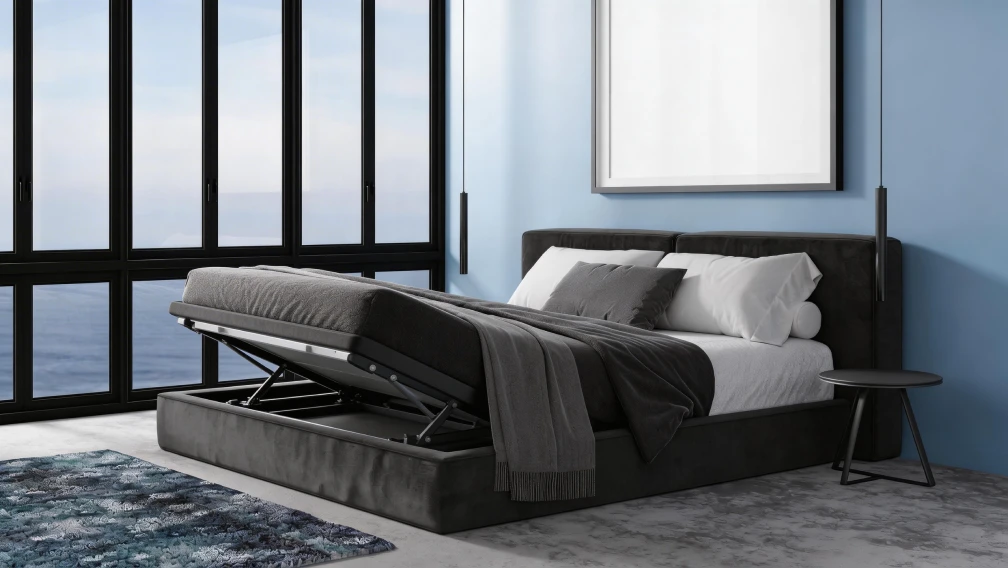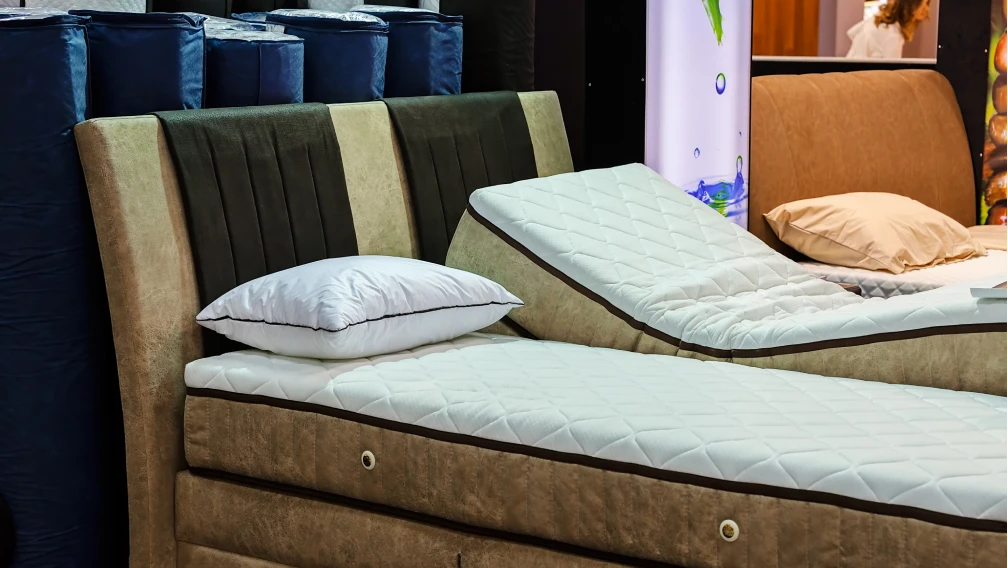

Mattress brands and sleep technology companies occupy a distinct position in the adjustable bed supply chain. Unlike furniture retailers who buy finished goods and sell them under the manufacturer’s brand, mattress brands develop their own product identity, build consumer trust around sleep performance claims, and expect their adjustable bed bases to reflect the same engineering rigor and brand positioning as their mattress products. For these companies, selecting a private label adjustable bed OEM manufacturer involves evaluation criteria that go well beyond price and lead time — it requires finding a production partner capable of supporting the brand’s technical differentiation and long-term product roadmap.
This article is written for product managers, sourcing directors, and founders at mattress brands, direct-to-consumer sleep companies, and sleep technology startups who are developing or refining their adjustable bed product lines. It covers the technical specifications, motor system selection, compliance requirements, and long-term partnership structures that matter when sourcing private label adjustable beds for branded sleep products.
1. Why Mattress Brands Need a Dedicated Adjustable Bed OEM Manufacturing Partner
Mattress brands have historically focused product development and marketing resources on the mattress itself — foam density, coil count, cooling technology, and comfort firmness ratings. The adjustable bed base was often treated as a secondary product, sourced as a branded commodity item and bundled with premium mattress purchases to drive attach-sale revenue.
This approach is changing. Industry data from the International Sleep Products Association shows that adjustable bed base attach rates have risen meaningfully across premium and mid-premium mattress segments over the past five years. Adjustable beds now represent a significant portion of mattress retailer profit per transaction, and consumer shopping research shows that sleep technology features — app-controlled positioning, sleep tracking integration, snore detection response — are influencing mattress brand selection, not just base selection.
For mattress brands, this shift creates both opportunity and risk. The opportunity is that adjustable beds have moved from accessory status to strategic product status, with meaningful contribution to brand differentiation and per-customer revenue. The risk is that adjustable bed specifications sourced as commodity products no longer support the brand positioning. A premium mattress brand pairing its flagship product with a generic adjustable base creates a brand inconsistency that consumers notice and reviewers comment on.
Private label adjustable bed OEM manufacturing addresses this risk by aligning the base product with the brand’s positioning. The motor performance, noise level, control system interface, aesthetic design, and packaging experience are all configured to match what the brand’s customers expect from every product carrying the brand name. For a mattress brand building a premium sleep ecosystem, the adjustable bed base must match the quality standards of the mattress, not sit one tier below it.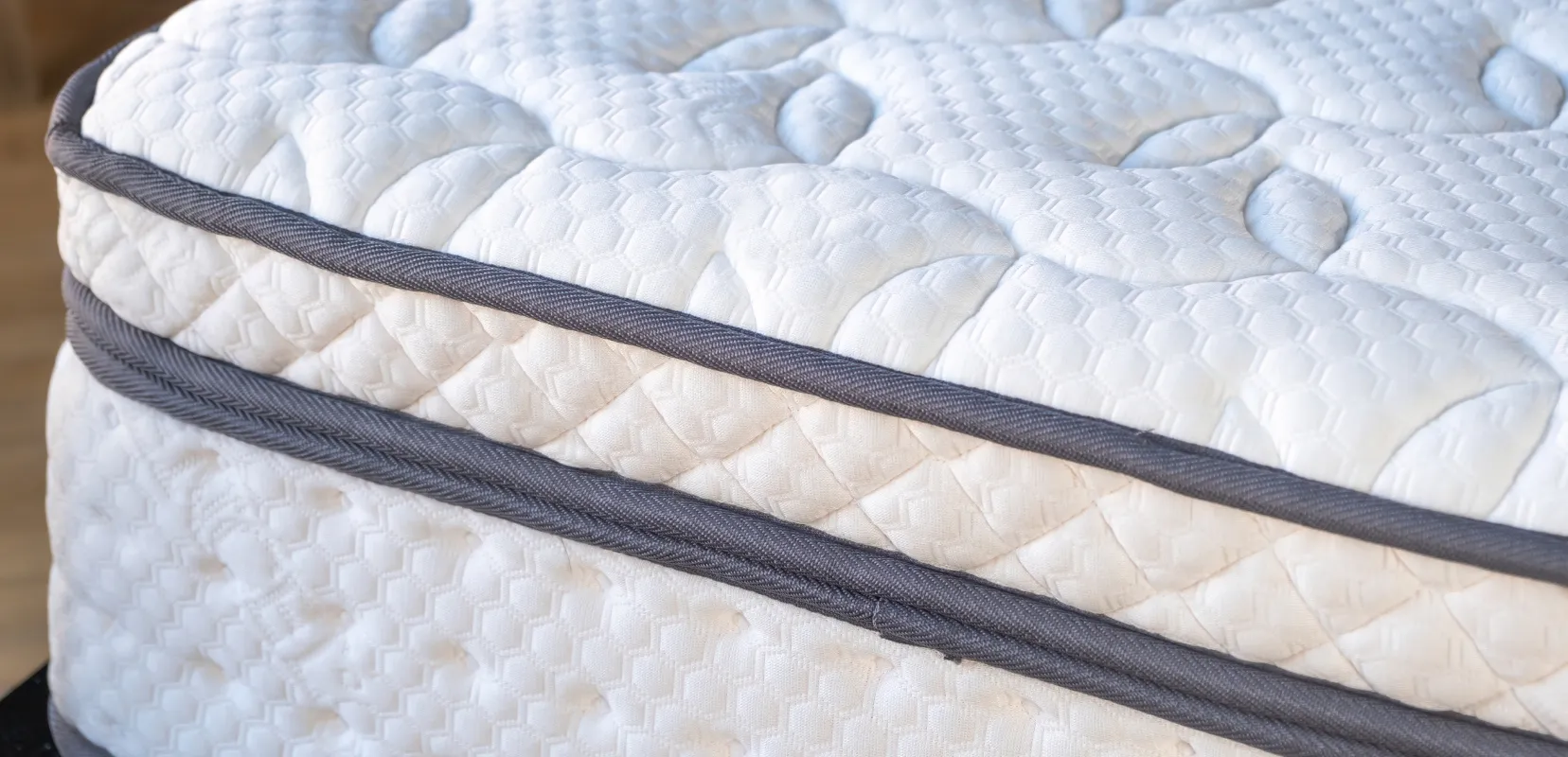
2. Custom Adjustable Bed Base Specification Development for Branded Sleep Products
The specification development process for a custom adjustable bed base begins with the brand’s product positioning rather than the manufacturer’s existing product catalog. This is a meaningful distinction. Off-the-shelf adjustable bed sourcing starts with the catalog and adapts the brand to the product; private label OEM development starts with the brand and adapts the product to the brand.
The first specification decision is motor configuration, which drives most of the product’s subsequent characteristics. Dual-motor systems support entry-to-mid market positioning. Three-motor systems with dedicated lumbar support serve the mid-premium segment and appeal to consumers with specific back support concerns. Quad-motor systems with independent head, pillow tilt, lumbar, and foot zones support the premium segment and the healthcare-adjacent sleep market.
The second specification decision is mattress compatibility. Private label adjustable bases are typically designed for the specific mattress construction of the brand partner. A brand that sells a 12-inch hybrid mattress with pocketed coils needs a base articulation range and slat spacing optimized for that mattress. A brand selling a 14-inch all-foam mattress has different articulation and edge support requirements. OEM manufacturers with engineering flexibility can adjust the base specifications to match the brand’s mattress line, which improves the integrated sleep experience and reduces warranty claims caused by mattress-base incompatibility.
The third specification decision is feature set. Mattress brands often include branded technology features that differentiate their adjustable bed from generic market offerings:
• App-controlled positioning with the brand’s existing app integration
• Sleep tracking sensor integration for brands with sleep monitoring platforms
• Custom preset positions branded to the brand’s sleep research or product positioning
• Ambient lighting configurations matching the brand’s bedroom environment product lineup
• USB-C charging aligned with current consumer electronics standards
• Voice assistant integration (Alexa, Google Home) for smart-home positioned brands
The fourth specification decision is aesthetic design. The visible surfaces of the adjustable base — deck fabric, side panels, remote control housing, packaging — should reflect the brand’s visual identity. This is especially important for direct-to-consumer mattress brands whose customers unbox the product in their home and experience the brand at the moment of delivery.
3. Private Label Electric Bed Base: Motor Selection and Performance Specifications
Motor selection is the single most consequential specification decision in private label adjustable bed OEM development. The motor system determines the base’s functional performance, acoustic signature, reliability profile, warranty claim rate, and approximately 35 to 40 percent of the unit cost.
The adjustable bed motor market divides into three tiers based on brand, country of origin, and performance specifications.
| Motor Tier | Representative Brands | Typical Performance | Cost Impact | Brand Positioning Fit |
| Premium | OKIN (Germany), Linak (Denmark) | Sub-35 dB noise, 15-20% duty cycle, 100,000+ cycle rating | +35 to +60% vs baseline | Premium mattress brands, healthcare-adjacent positioning |
| Mid-range | Timotion (Taiwan), Kaidi (China) | 35-45 dB noise, 10-15% duty cycle, 50,000-100,000 cycle rating | Baseline | Mid-premium DTC brands, mainstream retail brands |
| Economy | Various Chinese suppliers without established international presence | Variable noise (40-55 dB), variable duty cycle | -20 to -30% vs baseline | Price-driven entry tier only |
For a mattress brand developing a private label adjustable base, the motor tier decision must match the intended retail price point and brand positioning. A premium mattress brand retailing mattresses in the 2,000 to 4,000 USD range cannot pair its product with economy-tier motors without damaging brand perception. The noise signature alone — the sound the motor makes during operation — is immediately noticeable to consumers and generates negative product reviews when it does not match the brand’s quality positioning.
Motor specification should also address actuator thrust force, stroke length, and synchronization capability. Thrust force determines how much weight the actuator can push against resistance (important for heavier mattresses and heavier users). Stroke length determines the articulation range of the head and foot sections. Synchronization capability matters for three-motor and four-motor configurations where multiple actuators must coordinate to maintain frame stability during simultaneous movement.
Brands developing premium adjustable bed products should also consider motor warranty and service infrastructure. OKIN and Linak maintain global service networks with parts availability in most major markets; mid-range brands like Timotion have regional service coverage; economy brands typically offer no after-sales service support. This warranty infrastructure affects the brand’s long-term service obligations and influences the total cost of ownership calculation across the product’s warranty period.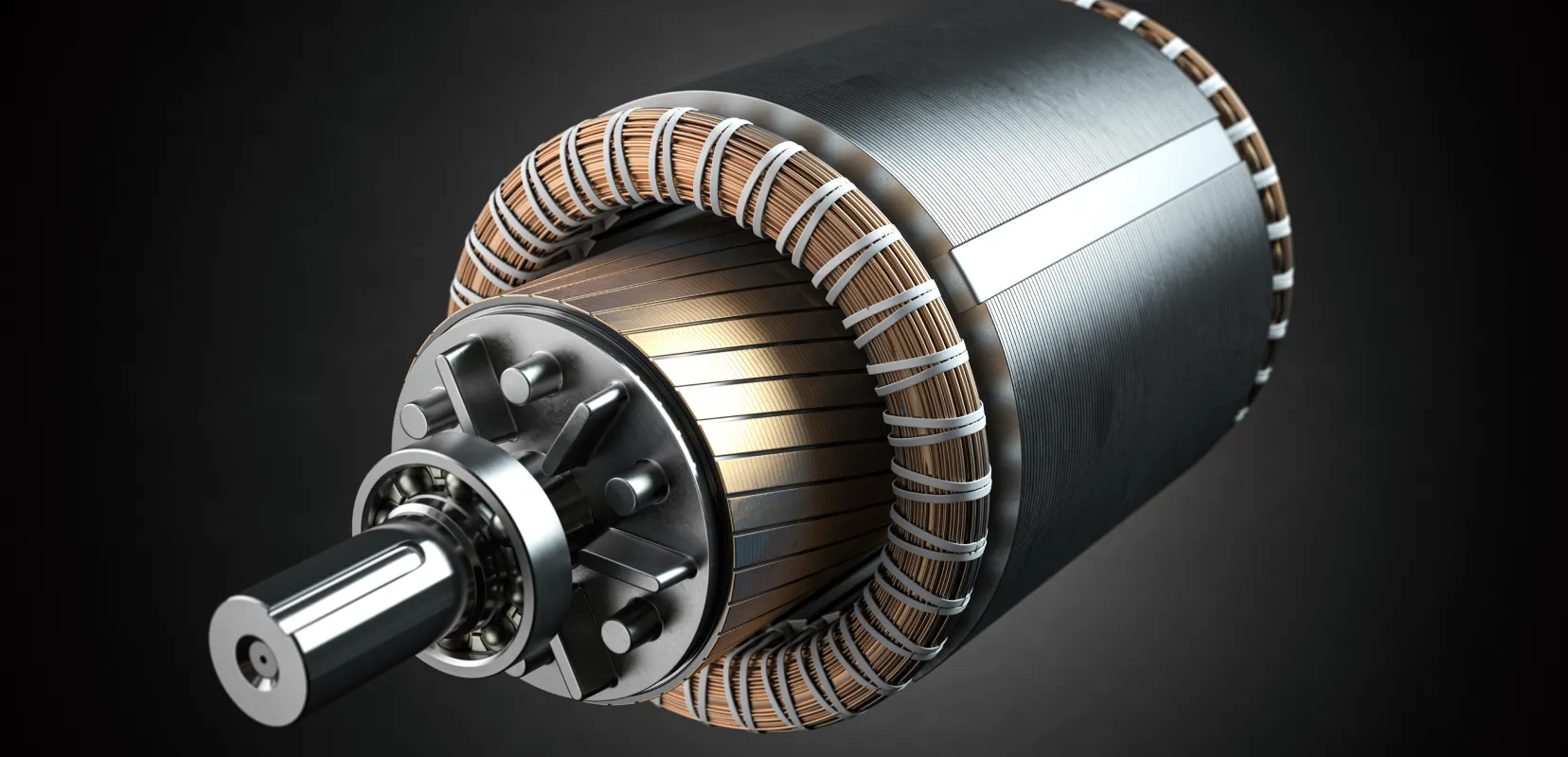
4. Electric Adjustable Bed Manufacturer Evaluation for OEM Brand Programs
Evaluating manufacturers for private label adjustable bed OEM programs requires verification of production capabilities that support branded product development — not just generic product output.
Engineering capability is the first evaluation area. Private label programs require the manufacturer’s engineering team to work directly with the brand’s product development team on specification adaptation, sample iteration, and production release. Ask whether the manufacturer has dedicated engineering staff for OEM customer projects, what their average development timeline is from specification to sample approval, and whether they can handle engineering-level specification changes (not just cosmetic or packaging changes).
Sample development process is the second evaluation area. The quality of the sample development process predicts the quality of the mass production that follows. A well-organized manufacturer provides detailed specification documents for customer review, produces samples from actual production processes (not specially prepared show samples), and documents sample revisions with clear change records. Disorganized sample processes — samples that arrive without specification documentation, revisions without version tracking, or samples that cannot be reproduced consistently in mass production — indicate manufacturing systems that will struggle to deliver consistent branded products at scale.
Production line dedication is the third evaluation area. For brands with significant volume commitments, manufacturers may offer dedicated production line capacity. This means a specific production line is reserved for the brand’s orders, with trained operators who are familiar with the brand’s specifications. Dedicated production lines deliver more consistent quality than shared production lines where workers rotate between different customer products. Seemoon operates 4 dedicated adjustable bed production lines, which allows us to assign specific lines to major OEM customers for improved consistency.
Quality documentation systems is the fourth evaluation area. Private label programs generate significant quality documentation — specification documents, sample approval records, production batch records, quality inspection reports, warranty claim tracking. Manufacturers with ERP-based quality systems can provide this documentation on demand; manufacturers relying on manual records may struggle to produce accurate quality history when brands need it for warranty resolution or regulatory investigation.
After-sales support capability is the fifth evaluation area. Private label programs create after-sales obligations that the manufacturer must support — warranty parts supply, technical documentation for service technicians, defective unit handling, and in some cases direct consumer service communication. Manufacturers without established after-sales infrastructure often push these responsibilities back to the brand, which creates cost and service complications that damage the brand’s consumer relationship.
5. Smart Adjustable Bed OEM: App Control and Sleep Technology Integration
The adjustable bed category has incorporated increasing levels of consumer electronics and software technology over the past decade. For mattress brands and sleep technology companies, this evolution creates both product opportunities and sourcing complexity.
Bluetooth app control has become a standard feature expectation in the premium adjustable bed segment. Consumers expect to control their adjustable bed from their smartphone, program custom preset positions, and in some cases integrate the bed with broader smart-home platforms. For the OEM manufacturer, supporting app-controlled adjustable beds requires:
• Bluetooth-enabled control boxes with consistent pairing reliability
• Software development kit (SDK) availability for brands developing their own app integration
• White-label app infrastructure for brands that want branded app experiences without building from scratch
• Firmware update capability for resolving post-launch software issues
Sleep tracking sensor integration is an emerging feature in the premium segment. Some adjustable bed products now include pressure sensors, heart rate monitoring, or breathing pattern detection built into the base. For brands with existing sleep tracking platforms, adding sensor integration to the adjustable base creates an integrated sleep monitoring experience. For OEM sourcing, this means evaluating manufacturers’ capability to integrate third-party sensor hardware and firmware into the base control system.
Voice assistant integration (Alexa, Google Home) allows consumers to control the bed through voice commands. This feature has strong appeal in smart-home-positioned brands but requires specific hardware and software integration — Bluetooth or Wi-Fi connectivity, compatible control API, and certification through the relevant voice assistant platform. OEM manufacturers with experience in voice assistant integration can accelerate development timelines; those without experience typically require significant third-party software development support.
Over-the-air (OTA) firmware updates allow brands to improve bed software after product launch. This capability addresses a common adjustable bed problem — software bugs or feature limitations that are discovered after products reach consumers. OTA-capable beds can be updated remotely; non-OTA beds require manual service intervention to resolve software issues. For brands planning long product lifecycles with continuous software improvement, OTA capability is an important specification to confirm with the OEM manufacturer.
6. Adjustable Bed Wholesale Manufacturer Capacity for Direct-to-Consumer Brand Scaling
Direct-to-consumer mattress brands have grown rapidly over the past decade, and several major DTC brands now sell volumes that exceed traditional retail chain mattress programs. For adjustable bed OEM suppliers, supporting DTC brand growth requires production capacity flexibility that traditional retail supply chains do not demand.
DTC brands typically launch new products with initial orders of 500 to 2,000 units for market testing. If the market response is positive, orders can scale to 10,000 or 50,000 units within 6 to 12 months. OEM manufacturers serving DTC brands need to handle this volume ramp without quality degradation or lead time extension.
DTC brand ordering patterns also differ from traditional retail. Traditional retailers place large orders in advance of seasonal sales events — a single order of 20,000 units in August to support Labor Day and Black Friday promotions. DTC brands place smaller, more frequent orders tied to daily or weekly direct-to-consumer shipment volume. A DTC brand selling 50,000 units annually may order 4,000 to 5,000 units per month in rolling orders with 60 to 90 day lead times, rather than placing a single large annual order.
This ordering pattern requires manufacturing flexibility. Manufacturers with capacity for surge orders but rigid production scheduling may struggle to support DTC rolling order patterns. Manufacturers with flexible capacity planning, component inventory buffers, and ERP-managed production workflows can support DTC brands more effectively than manufacturers optimized for seasonal surge orders from traditional retail.
Returns handling is another DTC-specific consideration. Many DTC mattress and sleep brands offer 100-night trial programs that allow consumers to return the product if they are not satisfied. Return rates on adjustable beds are typically 5 to 12 percent depending on the brand and product category. For an OEM manufacturer supporting a DTC brand, supporting returns may involve refurbishment programs for returned units, warranty parts supply for resale refurbishment, or coordinated return logistics through the brand’s fulfillment network.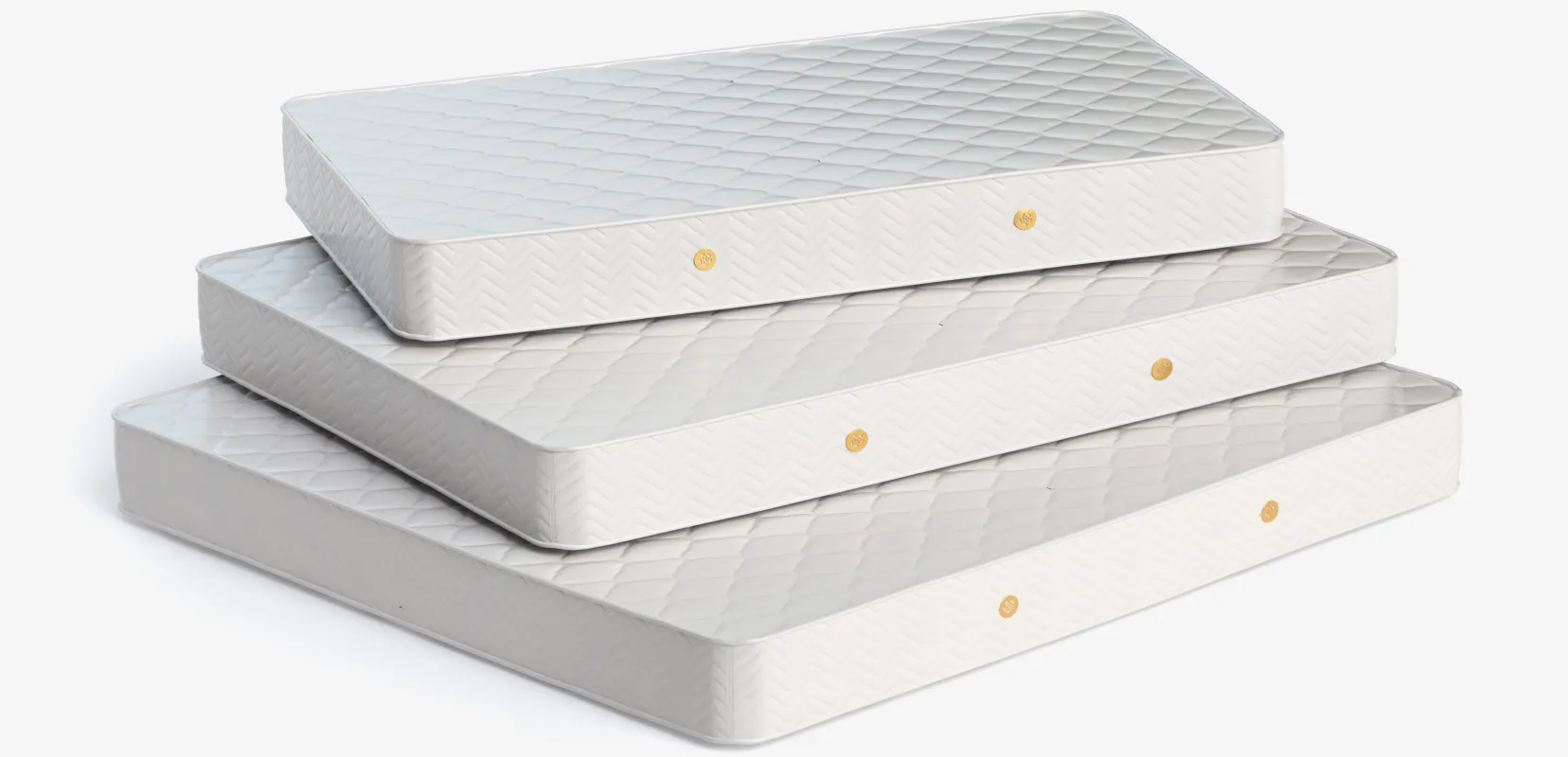
7. Private Label OEM Bed Base: Compliance Testing and Market Certification
Private label adjustable bed programs must address compliance and certification requirements that are often more complex than off-the-shelf product sourcing. Branded products must demonstrate compliance under the brand’s name, which creates documentation and testing obligations that the brand cannot delegate to the manufacturer without oversight.
UL/ETL electrical safety certification is the baseline requirement for the North American market. Adjustable beds are tested to UL 962 (household electric furniture) or UL 60601 (medical electrical equipment, for healthcare-positioned products). For private label programs, the certification is typically issued to the brand, with the manufacturer listed as the authorized production facility. This creates a compliance linkage that requires the brand to verify the manufacturer’s ongoing production consistency.
CFR 1633 flammability testing applies when the adjustable bed is sold with a mattress or bundled as a sleep system. For mattress brands that sell complete sleep systems, CFR 1633 is a core compliance requirement. The testing is performed on the complete mattress-and-base system, not on the base alone, which creates coordination requirements between the mattress manufacturer and the adjustable base manufacturer.
California Proposition 65 compliance requires documentation that the product does not expose consumers to significant levels of listed chemicals without warning labels. Many adjustable bed components — powder coating, foam, fabric, electronics — can contain trace amounts of Prop 65 listed substances. Established OEM manufacturers maintain Prop 65 testing documentation; inexperienced manufacturers may not have the documentation infrastructure to support this requirement.
FCC certification applies to wireless remote controls and Bluetooth-enabled adjustable beds. The wireless transmitter must be tested to FCC Part 15 standards for unintentional radiators. The certification is usually maintained by the wireless module supplier (Bluetooth chip manufacturer) rather than the adjustable bed manufacturer, but the final product must be verified to meet FCC requirements as a complete system.
International market certifications expand the compliance scope for brands selling beyond North America. CE marking applies in the European Union, with separate directives for low voltage (LVD), electromagnetic compatibility (EMC), and radio equipment (RED) for wireless-enabled products. UKCA marking applies in the United Kingdom post-Brexit. Australian markets require compliance with AS/NZS electrical safety standards. Each market adds testing, documentation, and maintenance obligations that the OEM manufacturer and brand must coordinate.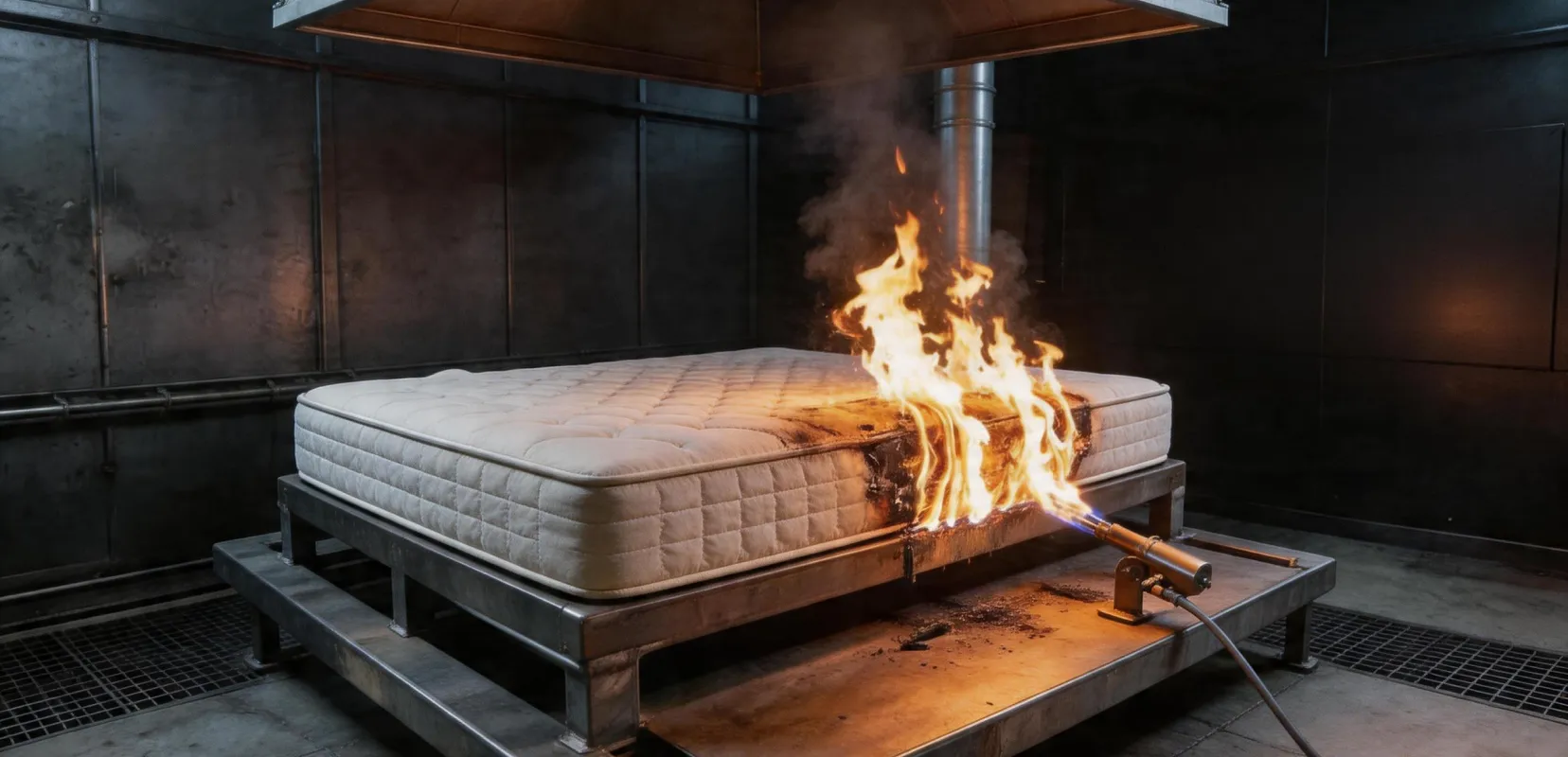
8. Long-Term Adjustable Bed Manufacturer Partnership Structure for Brand Growth
Private label adjustable bed OEM relationships work best when structured as long-term partnerships rather than transactional purchasing arrangements. The product complexity, specification customization, and compliance coordination create switching costs that reward relationship continuity.
Volume commitment structures typically involve annual or multi-year commitment agreements between the brand and manufacturer. The brand commits to minimum annual order volumes; the manufacturer commits to dedicated production capacity, preferred pricing, and priority order handling. Volume commitments are typically structured with tier pricing — higher volume commitments unlock better per-unit pricing and more favorable payment terms.
Price stability arrangements protect the brand from short-term component cost volatility. In a partnership structure, the manufacturer absorbs month-to-month component price changes within defined tolerance ranges and adjusts prices on a quarterly or semi-annual basis according to a pre-agreed formula. This creates predictable cost structure for the brand’s margin planning.
Raw material buffer stock arrangements accelerate lead times for partner brands. The manufacturer maintains dedicated raw material inventory for the brand’s specifications — steel tubing in the correct gauge, motors of the specified brand, fabric in the agreed colors. When the brand places an order, production can start immediately without waiting for component procurement. This arrangement reduces standard lead times by 7 to 15 days and provides supply chain resilience against component supply disruptions.
Dedicated production line assignment reserves specific production capacity for the partner brand. The line operates with trained workers who are familiar with the brand’s specifications, uses dedicated tooling calibrated for the brand’s products, and follows quality inspection procedures specific to the brand’s requirements. This dedication reduces specification drift and delivers more consistent quality than shared production lines serving multiple customers.
New product development cooperation becomes possible in long-term partnership structures. The manufacturer invests in custom tooling, prototype development, and engineering resources that support the brand’s product roadmap. These investments require multi-year payback periods that transactional relationships cannot support.
Shared market intelligence emerges as the relationship matures. The manufacturer provides insight into industry trends, competitor product specifications, and emerging technology options from its supplier network. The brand provides insight into consumer feedback, retail channel performance, and market positioning challenges. This bidirectional information flow improves both partners’ ability to respond to market changes.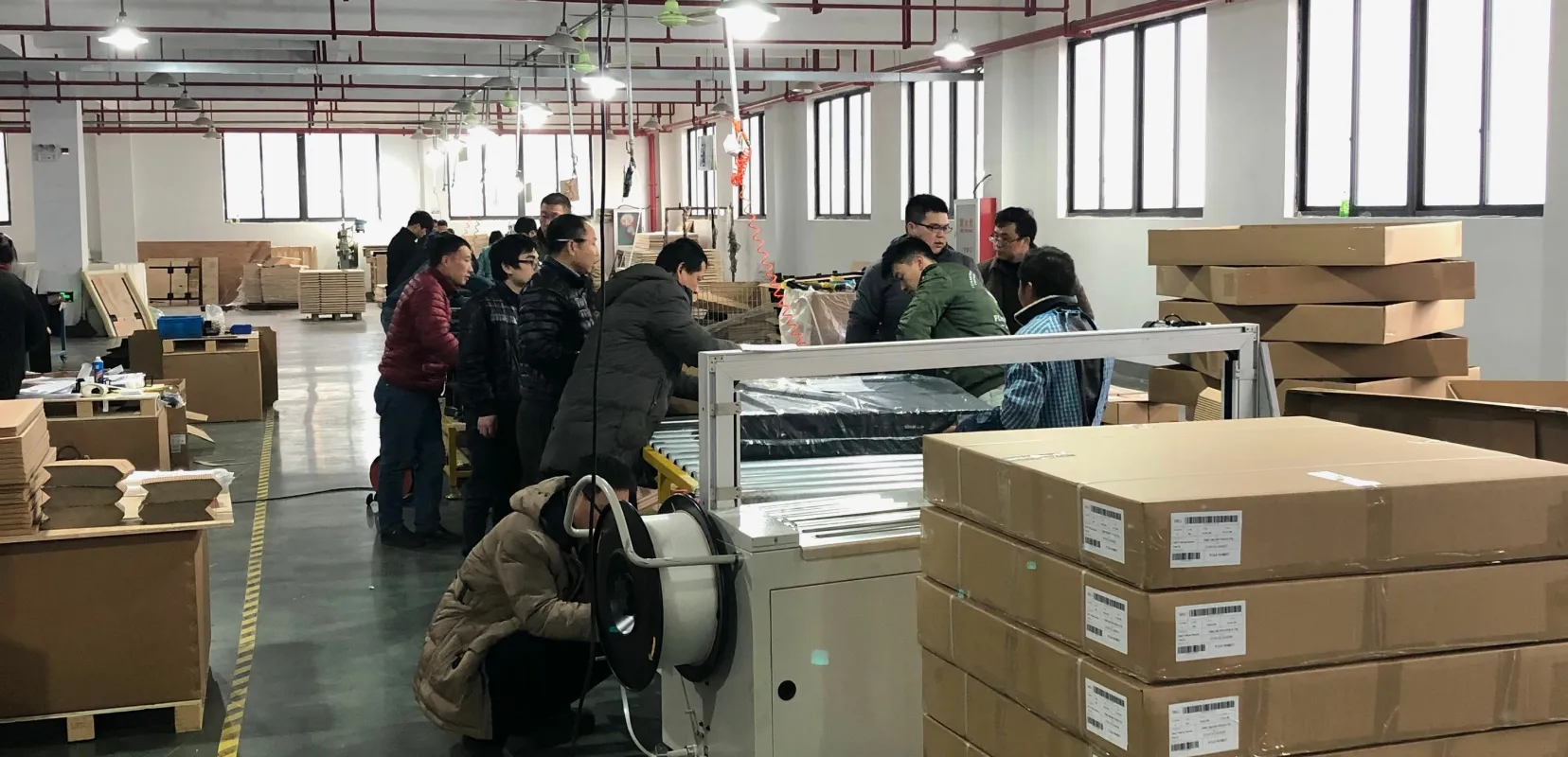
9. Sleep Technology Company Sourcing: Working with an Adjustable Bed OEM Factory
Sleep technology companies — often venture-backed startups developing app-connected, sensor-integrated, or AI-enabled sleep products — have specific sourcing needs that differ from established mattress brands.
Prototype and small-batch production is often the first sourcing requirement. Sleep tech startups typically need functional prototypes for investor demonstrations, limited-run beta units for early customer testing, and small initial production runs for market validation before scaling to full commercial volume. OEM manufacturers accustomed to large-volume retail production may be unwilling or unable to support these smaller initial orders.
Fast specification iteration is another common requirement. Startup development cycles involve rapid specification changes as the product concept evolves based on user feedback, technology iteration, and investor input. OEM manufacturers with flexible engineering support can accommodate this iteration speed; manufacturers with rigid development processes struggle to keep up.
Technology integration capability is often the critical sourcing criterion for sleep tech companies. Integration of third-party sensors, custom firmware development, app connectivity, and AI-driven control algorithms requires technical capability that general adjustable bed manufacturers may not have. Sleep tech companies should evaluate OEM manufacturers specifically on their experience with technology-integrated product development, not just their volume production capability.
Regulatory pathway support becomes important if the sleep tech product has medical device classifications. Products that monitor heart rate, breathing patterns, or sleep disorders may be classified as medical devices in some regulatory jurisdictions, which creates FDA registration requirements in the United States, CE MDR compliance in Europe, and equivalent regulatory obligations in other markets. OEM manufacturers with ISO 13485 medical device quality management system certification can support these regulatory pathways; those with only ISO 9001 certification cannot.
Scaling pathway planning is the final consideration. A sleep tech startup that successfully reaches product-market fit will need to scale production from hundreds of units per month to thousands or tens of thousands per month. The OEM manufacturer must have the capacity to support this scaling without requiring the startup to switch manufacturers mid-growth. Evaluating scaling capacity and capability during initial supplier selection prevents disruptive supplier changes during the critical growth phase.
Partner with Seemoon for Your Private Label Adjustable Bed Program
Seemoon manufactures private label adjustable bed bases for mattress brands, direct-to-consumer sleep companies, and sleep technology companies. Our production infrastructure includes 4 dedicated adjustable bed production lines, 20 robot welding machines, in-house powder coating, and ERP-managed quality systems. We support all three motor tiers — OKIN and Linak for premium positioning, Timotion for mid-range, and cost-effective alternatives for specific market requirements.
Our private label programs support full brand customization including motor configuration, frame specifications, remote control branding, Bluetooth app integration, fabric and finish selection, packaging design, and compliance testing coordination for your target markets. We hold ISO 9001 and ISO 14001 certifications, have passed Walmart and Costco factory audits, and maintain dedicated spare parts inventory for warranty service support.
If you are developing a branded adjustable bed product line and need an OEM manufacturing partner capable of supporting your brand’s positioning, specification requirements, and long-term growth, contact our engineering and sales teams. We will provide a specification proposal, sample timeline, and manufacturing cost estimate within 48 hours.
-

Author
Seemoon
Seemoon is a Senior Product Expert and Sleep Ergonomics Specialist. With extensive experience in the design and manufacturing of adjustable beds and smart sleep solutions, Seemoon is dedicated to sharing authoritative insights on furniture innovation, ergonomic health, and global B2B sourcing trends. All content is grounded in authentic manufacturing expertise to help global buyers make informed decisions.