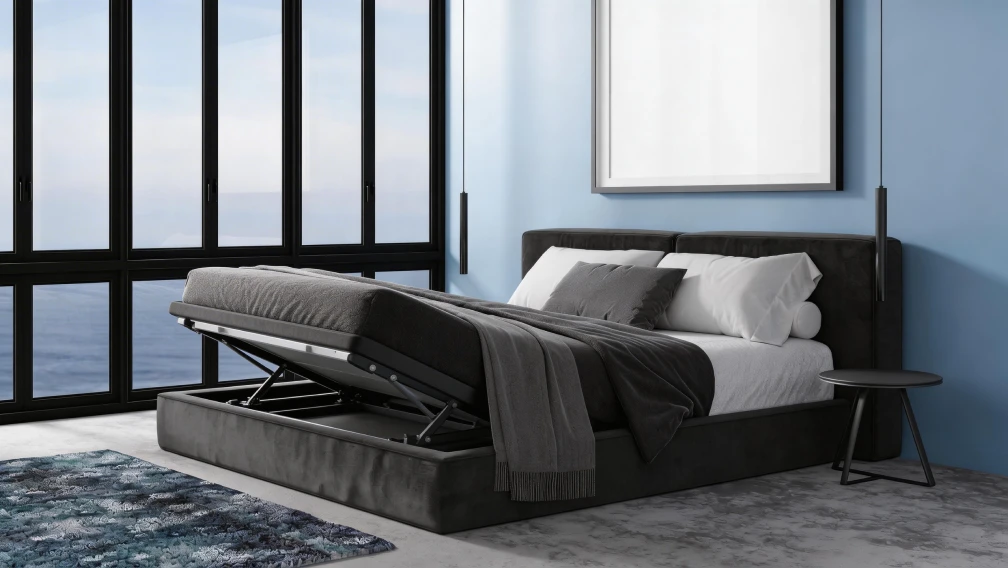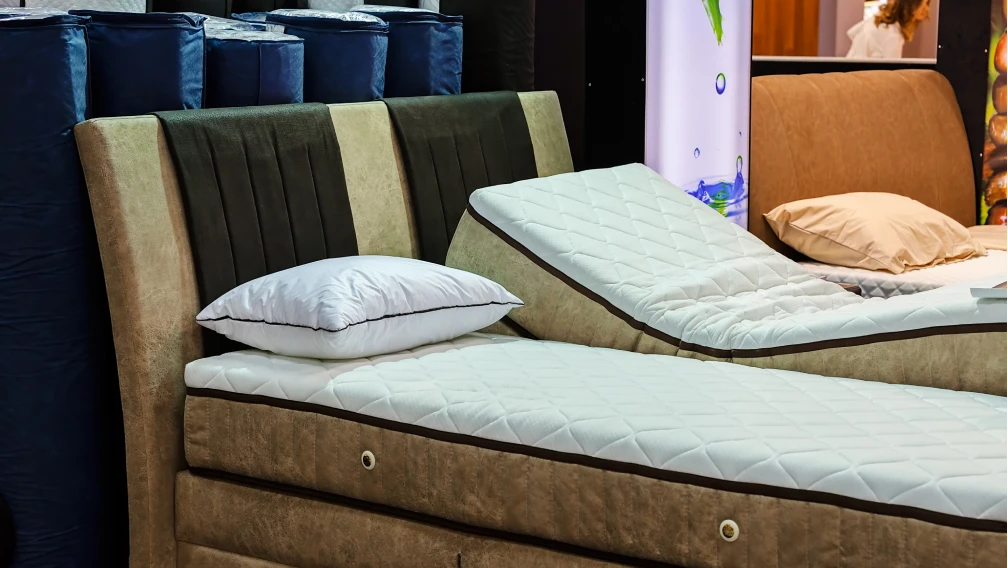

The sleep industry has firmly transitioned from traditional static bed frames to dynamic, health-oriented sleep systems. At the center of this transition is the zero gravity adjustable bed. Originally engineered by NASA to minimize gravitational stress on astronauts during spacecraft liftoff, the zero gravity position has become a mandatory feature in the modern motorized bedding market. For furniture retailers, e-commerce brands, and healthcare equipment distributors, understanding the biomechanics and manufacturing standards of this technology is no longer optional. It is a fundamental requirement to meet consumer demand for restorative sleep solutions and to maintain a competitive edge in the rapidly expanding sleep technology sector.
As certified OEM manufacturers with over a decade of experience in adjustable bed engineering, we receive constant wholesale inquiries regarding zero gravity functionality. Buyers need to know how these systems work, why consumers demand them, how to evaluate hardware quality before placing bulk orders, and how to effectively market these features to end-users. This comprehensive guide breaks down the science of the zero gravity position, its clinical health benefits, hardware specifications, B2B procurement strategies, and the critical components of a reliable motorized foundation.
What is the Zero Gravity Sleep Position?
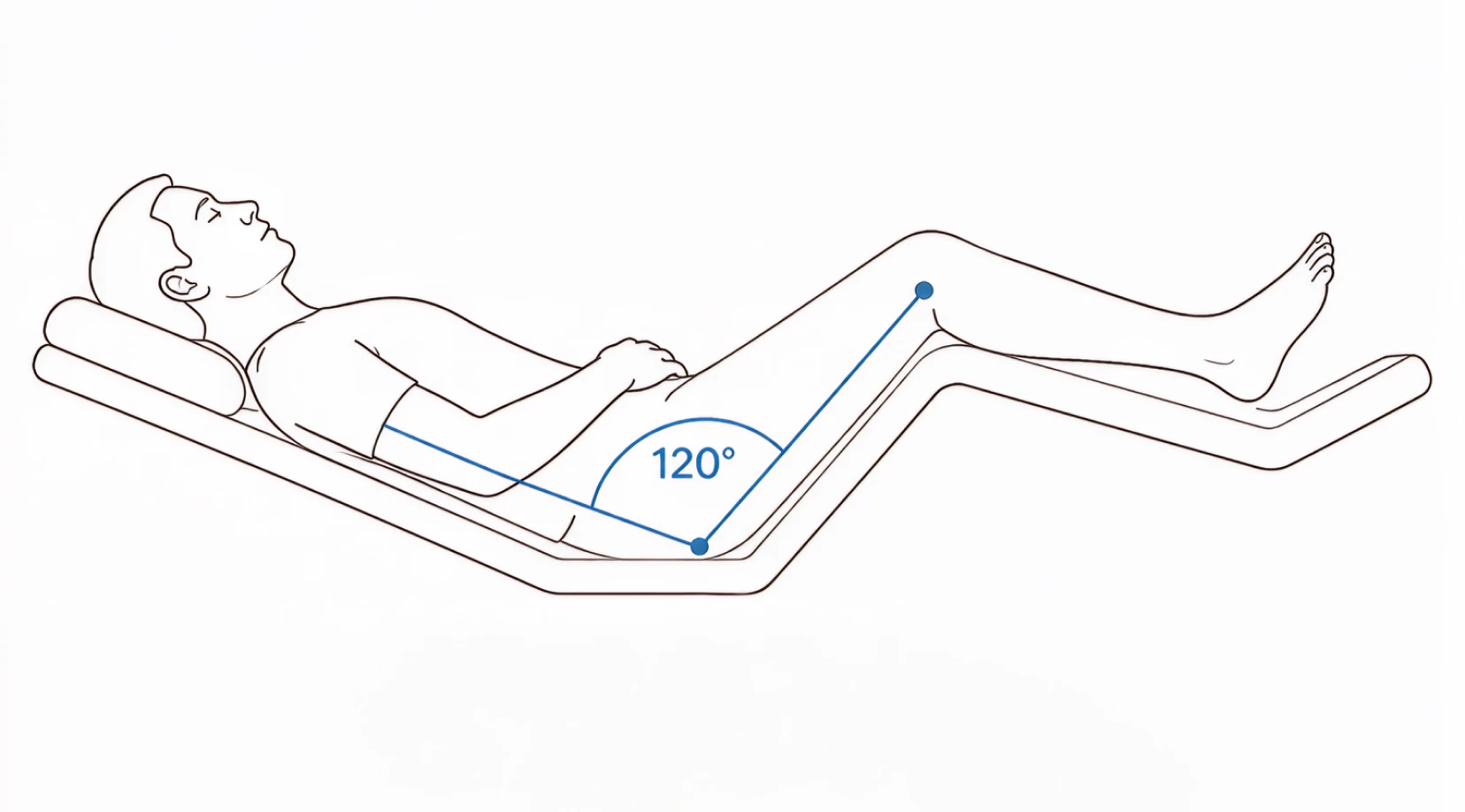
The zero gravity position on an adjustable bed creates a state of simulated weightlessness. It is an ergonomic configuration that neutralizes the physical toll of gravity on the human body. To achieve this posture, the mechanical bed base elevates the user’s head and knees simultaneously to highly specific angles.
The precise biomechanical alignment raises the upper body and thighs so that the torso and legs form an approximate 120-degree angle at the hips. The lower legs remain elevated slightly above the heart level. When a person lies perfectly flat on a standard mattress, gravity forces their body to bridge the gap between the firm surface and the natural curve of the spine. This creates severe tension in the lower back, neck, and pelvic joints, leading to micro-awakenings throughout the night as the body attempts to find a comfortable posture.
By bending the sleep surface into the zero gravity posture, the body's weight is distributed evenly across the entire mattress. This prevents pressure from building up in any single localized area, commonly known as pressure points. The spine achieves a neutral posture, muscles decompress, and the skeletal system rests without strain. This position mimics the natural posture the human body assumes in microgravity environments, minimizing the mechanical work required by the musculoskeletal system to remain stable.
Core Health Benefits Driving Consumer Demand
End-users purchase adjustable beds primarily to solve specific health, mobility, and comfort problems. Distributors and retail sales associates must understand these physiological benefits to market the products effectively and match the correct bed frame to the consumer's medical or lifestyle needs.
Spinal Decompression and Lumbar Relief
Chronic lower back pain drives a significant portion of adjustable bed sales across all demographics. The neutral spine alignment achieved in the zero gravity position provides immediate mechanical relief to the vertebral discs. Patients suffering from sciatica, herniated discs, spinal stenosis, or standard lumbar stiffness utilize this posture to eliminate gravitational pull on their lower back. As the pressure dissipates, the muscles surrounding the spine relax entirely, reducing morning stiffness and accelerating overnight muscle recovery. This is particularly beneficial for individuals performing heavy physical labor or those seated at desks for prolonged hours.
Edema Reduction and Blood Circulation
Elevating the legs above the heart drastically alters systemic blood flow. Gravity naturally pulls blood and bodily fluids downward, forcing the heart to work harder to pump blood back up from the lower extremities. For individuals who stand for long hours, or seniors with compromised cardiovascular function, this results in peripheral edema (swelling in the feet and ankles). The zero gravity posture utilizes gravity to pull blood back toward the heart with minimal cardiac effort. This venous return reduces swelling, minimizes the risk of deep vein thrombosis (DVT), and eliminates nighttime leg cramps by ensuring optimal oxygen delivery to leg muscles.
Respiratory Optimization for Sleep Apnea and Snoring
Sleeping horizontally causes the soft tissues at the back of the throat to collapse under the weight of gravity, which obstructs the airway. This mechanical failure leads to heavy snoring and triggers obstructive sleep apnea (OSA) events, where breathing repeatedly stops. Elevating the head section opens the respiratory tract. It prevents the base of the tongue from blocking the throat, promotes optimal lung expansion by relieving pressure on the diaphragm, and facilitates smooth, uninterrupted oxygen intake. Many CPAP machine users find that combining their therapy with head elevation improves treatment efficacy and overall comfort.
Managing Acid Reflux and GERD
Gastroesophageal Reflux Disease (GERD) severely disrupts sleep when stomach acid travels upward into the esophagus. This occurs easily when the torso is completely flat, as the stomach and esophagus sit on the same horizontal plane. Elevating the upper body uses gravity to keep stomach acid contained in the digestive tract. Medical professionals routinely prescribe head elevation for GERD management. Motorized beds offer a permanent, non-invasive mechanical solution for this condition, eliminating the need to stack unstable pillows that can cause neck strain.
Engineering and Manufacturing Standards for Zero Gravity Beds
Marketing health benefits is only effective if the hardware supporting the mattress is durable, quiet, and reliable. Not all zero gravity bases possess the same engineering standards. B2B buyers must critically evaluate the mechanical components, steel quality, and motor longevity before adding a product to their catalog.
Motor Configurations and Load Capacity
Achieving a seamless transition from a flat position to the zero gravity angle requires heavy-duty motor systems. Entry-level beds utilize standard dual-motor setups to control the head and foot independently. However, for commercial environments, larger individuals, or heavy residential use, motor thrust capacity (measured in Newtons) is critical.
Buyers sourcing from a comprehensive adjustable bed product list must verify the specifications of the linear actuators. A premium motor ensures quiet operation—typically operating below 45 decibels—and prevents jerking motions that could disturb the user. We integrate high-torque motors that support significant dynamic weight capacities, ensuring the bed lifts smoothly even under maximum load without straining the internal gears.
Structural Integrity and Steel Framing
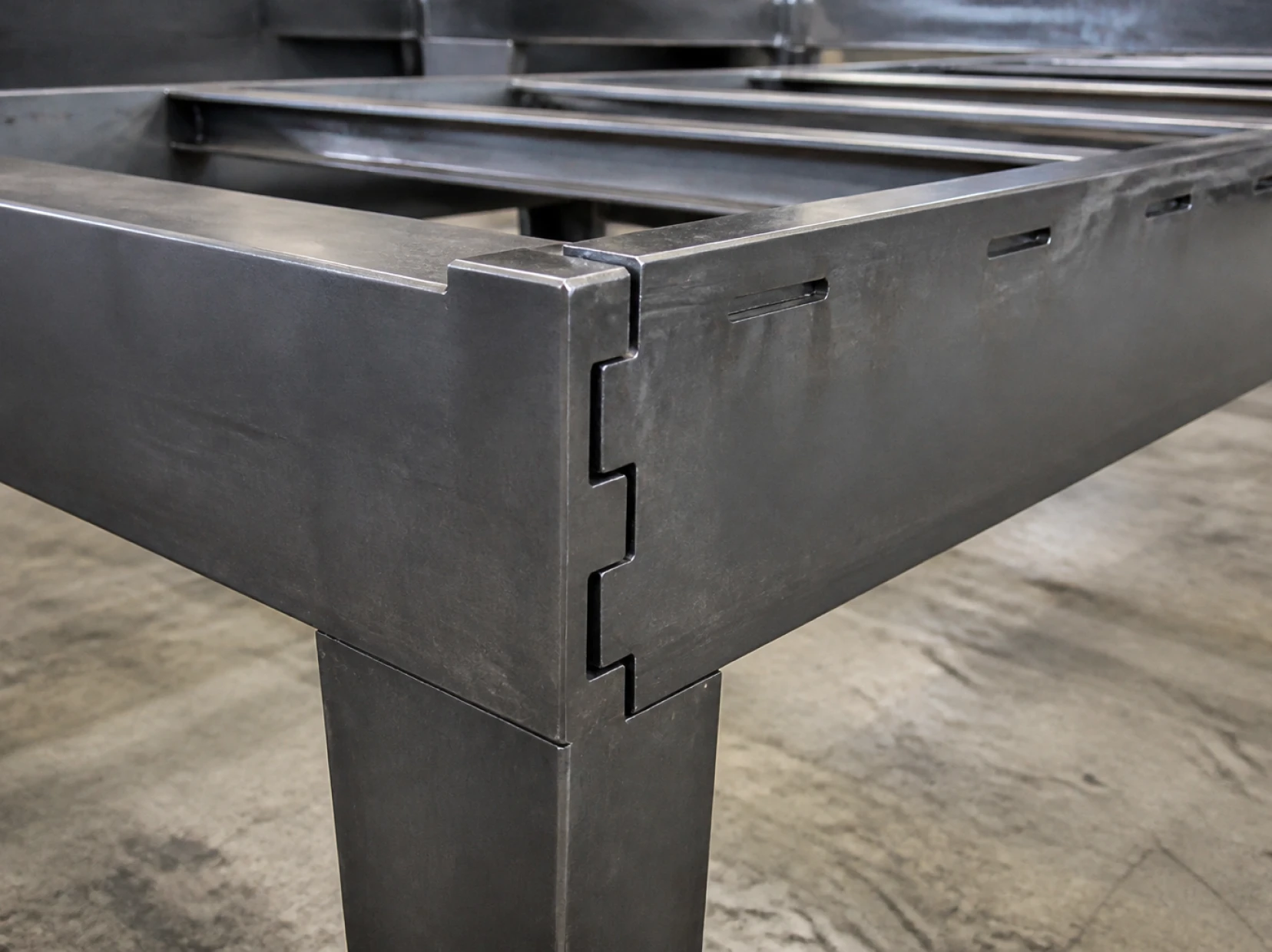
The durability of the base depends entirely on its steel framework. A reliable gravity adjustable bed base is constructed from heavy-gauge carbon steel. The pivot points on the frame absorb immense mechanical stress during articulation. We employ laser-cut joints, reinforced nylon washers to prevent metal-on-metal squeaking, and rigorous fatigue testing in our manufacturing process. Distributors should demand frames with a minimum static weight capacity of 700 to 800 lbs (often exceeding 1000 lbs in premium models) to guarantee structural safety and minimize warranty claims.
Zero Clearance Architecture
A common barrier to retail sales is the consumer's existing bedroom furniture. Many customers own expensive decorative platform beds with storage drawers underneath and worry an adjustable base will not fit. Engineering a zero clearance adjustable base solves this objection. Zero clearance means the mechanical arms and motors do not extend below the bottom plane of the metal frame during operation. The base can sit completely flat on a solid platform foundation, a pedestal bed, or wooden slats without requiring the standard metal legs, fully integrating into any modern bedroom aesthetic.
Mattress Compatibility and System Integration
An adjustable base functions as part of a complete sleep system. A common mistake is pairing a high-end base with an incompatible mattress. Retailers bundling products must recommend the correct mattress types to prevent hardware damage and ensure proper zero gravity contouring.
- Memory Foam and Pure Latex: These are the optimal materials for motorized beds. Their open-cell structures flex easily with the articulation of the steel frame without sustaining permanent structural deformation. They conform perfectly to the 120-degree bend at the hips.
- Mattress Thickness Profile: We highly recommend a thickness profile between 10 and 12 inches. If a mattress exceeds 14 inches in thickness, it becomes too rigid. When the bed moves into the zero gravity angle, a thick mattress will "bridge" or hover above the pivot points rather than bending smoothly, defeating the ergonomic purpose of the bed.
- Innerspring Limitations: Traditional continuous-coil innerspring mattresses cannot bend. Forcing them to articulate will bend the border wires, ruin the mattress, and potentially burn out the bed's motors. However, modern pocketed coil hybrids (where each coil is individually wrapped) can operate on adjustable frames if the manufacturer explicitly rates them for articulation.
B2B Procurement Strategy and OEM Customization
Optimizing the supply chain is critical for wholesale buyers and importers. Traditional bulky bed frames incur massive freight costs and warehouse storage fees. To protect distributor margins, modern zero gravity bases feature foldable platform designs. The entire steel frame folds in half horizontally, allowing it to fit into a compact, ISTA 3A certified box that is UPS or FedEx shippable. This drop-ship capability eliminates the need for expensive Less Than Truckload (LTL) freight logistics, making it ideal for e-commerce retailers and direct-to-consumer brands.
OEM customization allows brands to differentiate their product lines in a crowded market. Distributors can request private-label remotes equipped with a dedicated, one-touch "Zero G" preset button. Additional hardware upgrades include integrated USB charging ports, under-bed LED lighting for nighttime safety, Bluetooth app controls, and multi-zone massage functionality. Engaging lumbar and leg vibration motors while resting in the zero gravity position dramatically accelerates muscle recovery and increases the perceived value of the product on the showroom floor. Contact our commercial sales team today to explore custom procurement options.
Applications in Healthcare and Hospitality
Beyond residential retail, commercial procurement relies heavily on ergonomic bed systems. Assisted living facilities, nursing homes, and medical equipment suppliers require beds that offer both patient comfort and caregiver accessibility. Integrating zero gravity positioning into a home care bed allows patients to shift their weight independently, drastically reducing the risk of pressure ulcers (bedsores) and improving the quality of daily living.
Certain medical scenarios require positioning beyond standard consumer angles. Procurement managers for clinical environments should source models like the high low lift and tilt adjustable bed. This specific hardware allows caregivers to vertically raise the overall height of the bed to a comfortable working level to administer care, while simultaneously maintaining the patient's zero gravity posture. Furthermore, a full tilt adjustable bed provides specialized Trendelenburg and Reverse Trendelenburg positioning, offering advanced circulatory and respiratory benefits that complement standard zero gravity functions in professional care settings.
Frequently Asked Questions (FAQ)
What is the zero gravity position on an adjustable bed?
The zero gravity position elevates your head and knees slightly above your heart. It creates an approximate 120-degree angle between your torso and thighs, evenly distributing your body weight and simulating a feeling of weightlessness. This posture was originally developed to relieve extreme gravitational and joint pressure on the body.
Can side sleepers use the zero gravity position?
The true zero gravity position is biomechanically designed for back sleeping to ensure optimal spinal alignment. However, side sleepers can still benefit from adjustable beds by slightly elevating the head and foot sections. A mild elevation relieves hip and shoulder pressure and aids in digestion without engaging the full, deep zero gravity angle.
Does a zero gravity bed help with lower back pain?
Yes. By elevating the knees and upper body simultaneously, the zero gravity position flattens the natural curve of the lumbar spine against the mattress. This removes gravitational pressure from the lower back, allowing the surrounding muscles to completely decompress, which provides significant relief for conditions like sciatica, spinal stenosis, and herniated discs.
What type of mattress is best for a zero gravity bed base?
Memory foam, latex, and individual pocketed coil hybrid mattresses work best. These materials are flexible enough to contour to the changing angles of the mechanical base. We recommend a mattress thickness between 10 and 12 inches to ensure it bends smoothly without "bridging" or straining the bed's motors.
How does the zero gravity position stop snoring?
Snoring often occurs when lying flat because gravity pulls the relaxed soft tissues of the throat downward, partially blocking the airway. The zero gravity position elevates the head and torso, which alters the angle of the neck. This keeps the airway fully open, prevents the tongue from collapsing backward, and allows for smoother, quieter breathing.
Can I put a zero gravity adjustable base on my existing bed frame?
Yes, provided you purchase a model with a "zero clearance" design. Zero clearance adjustable bases are engineered so that the mechanical moving parts (motors and linkages) do not drop below the bottom frame during articulation. This allows the base to sit completely flat on platform beds, pedestal beds, or wooden slats without needing metal legs.
-

Author
Seemoon
Seemoon is a Senior Product Expert and Sleep Ergonomics Specialist. With extensive experience in the design and manufacturing of adjustable beds and smart sleep solutions, Seemoon is dedicated to sharing authoritative insights on furniture innovation, ergonomic health, and global B2B sourcing trends. All content is grounded in authentic manufacturing expertise to help global buyers make informed decisions.