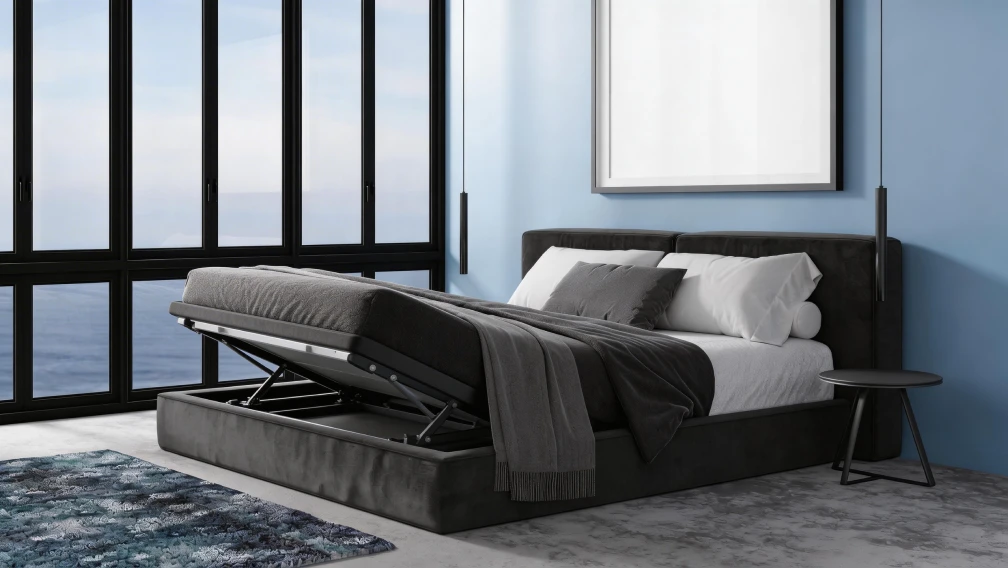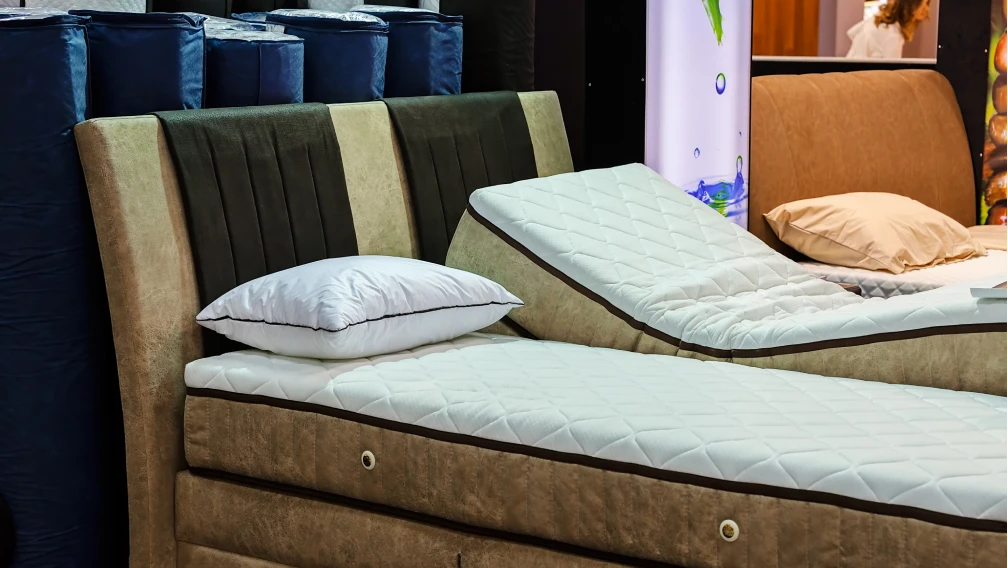

The smart bed and adjustable base market has transitioned from a niche healthcare product to a mainstream lifestyle necessity. A few years ago, basic head-up and foot-up articulation was sufficient for retail floors. Today, mattress brands, furniture distributors, and hospitality procurement teams face a highly educated consumer base that demands seamless integration into their existing bedroom architecture.
Standard motorized bases often present two critical flaws during the retail sales process: they create a massive physical gap between the user and their nightstand, and they are incompatible with modern platform or storage beds. To survive in the premium bedding market, manufacturers and B2B buyers must pivot their inventory strategy towards advanced kinematic solutions. Wall-hugger technology and zero-clearance structural designs are no longer optional upgrades; they are fundamental requirements for capturing high-margin market share. This guide breaks down the engineering, commercial benefits, and procurement specifications of these two revolutionary mechanisms.
The Engineering Behind Zero-Clearance Architecture
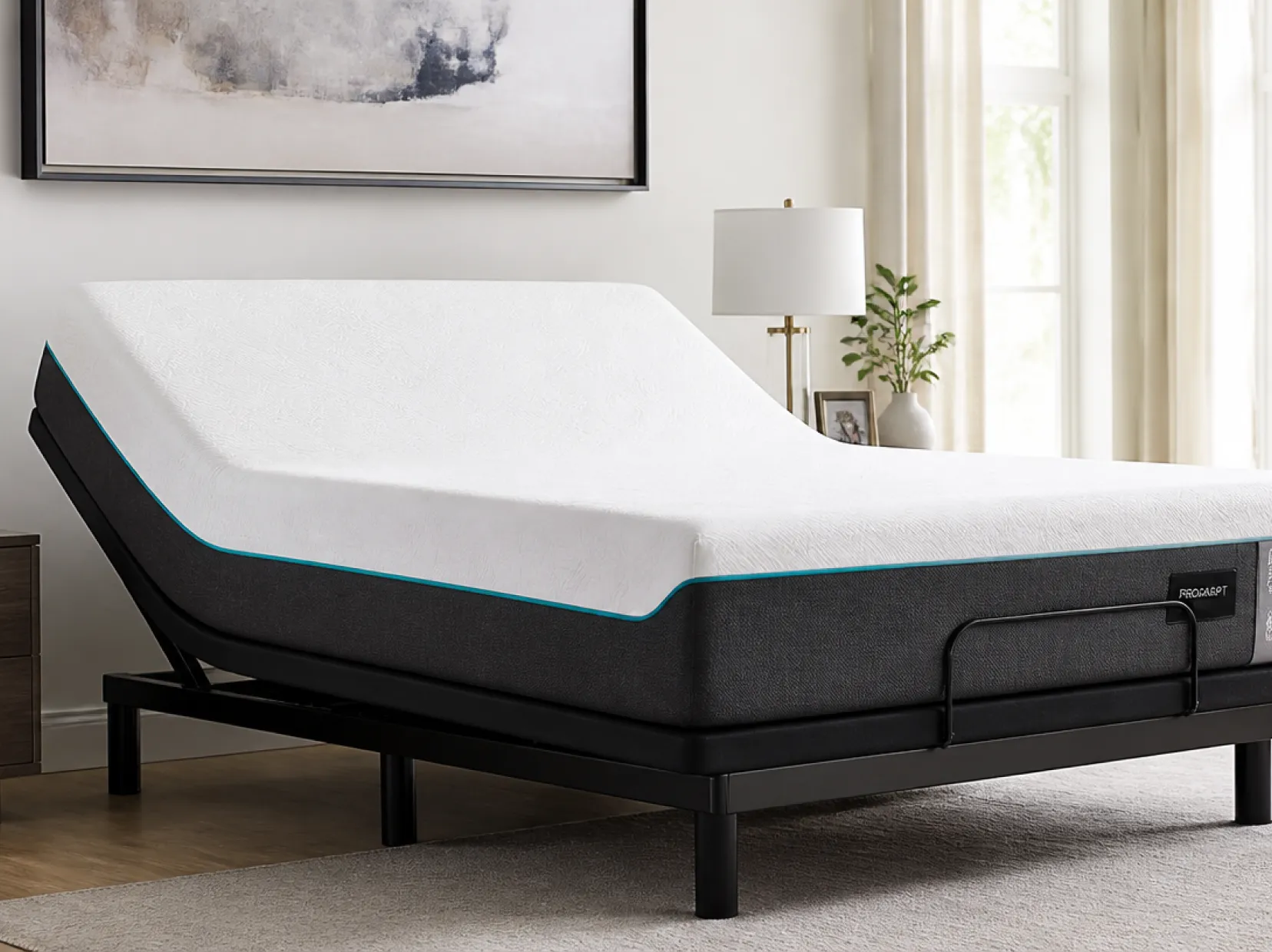
Historically, electric bed frames utilized a drop-down linkage system. The motorized linear actuators and steel drive arms extended below the horizontal plane of the bed frame during operation. Because of this downward extension, these standard bases required significant vertical clearance. They had to be installed on tall, dedicated legs, making them completely incompatible with modern platform beds, pedestal beds, or frames featuring built-in storage drawers.
Zero-clearance architecture completely redesigns this mechanical footprint. Through precise structural engineering, the entire drive system—including the control boxes, linear actuators, and structural pivot points—is confined entirely within the thickness of the base frame itself. When the head or foot sections articulate upward, no mechanical components drop below the bottom edge of the frame.
For a wholesale buyer or mattress brand, stocking a zero clearance adjustable base eliminates the primary objection encountered on the sales floor. Consumers do not want to discard their expensive designer bedroom sets. A zero-clearance model can simply be dropped directly onto a solid slatted foundation, a flat plywood deck, or a storage bed platform without any operational interference. It functions perfectly without its standard legs attached. This modularity reduces return rates and drastically increases conversion rates for retail partners who package these bases with high-end memory foam or hybrid mattresses.
Decoding the Wall-Hugger Mechanism
The second major technological leap in the smart bed industry is the wall-hugger (also known as wall-snuggler or wall-glide) feature. When a user elevates the head section of a standard adjustable bed, their upper body is propelled forward and upward. Consequently, the user is moved up to 18 inches away from the headboard and the adjacent nightstand. Reaching back for a glass of water, a phone charger, or a reading lamp becomes physically uncomfortable and risks shoulder strain.
Wall-hugger engineering solves this spatial disconnect through synchronized dual-plane movement. As the primary linear actuator raises the head section, a secondary mechanical carriage system simultaneously glides the entire sleeping platform backward toward the wall. This precise geometric translation ensures that the user's upper torso remains in perfect alignment with their nightstand, regardless of the incline angle.
Manufacturing this system requires robust structural tolerances. The base frame relies on heavy-duty steel tracks and precision-milled nylon or polyurethane rollers to manage the extreme friction and weight distribution changes during the glide. For premium retail placements, a wall hugger adjustable base 4 motor configuration represents the pinnacle of user experience, allowing independent control over head tilt, foot elevation, lumbar support, and the synchronized glide mechanism without overloading a single actuator.
Strategic Commercial Advantages for B2B Procurement
Rethinking your smart bed supply chain to prioritize these mechanisms offers immediate tactical advantages for B2B operations, wholesale distributors, and D2C brands.
1. Maximizing Average Order Value (AOV)
Selling a basic flat mattress yields a fixed, often heavily compressed, profit margin due to intense market competition. Bundling a premium mattress with an advanced motorized base instantly elevates the AOV. Consumers are willing to pay a premium for tangible convenience features like wall-gliding. Sales representatives can easily demonstrate the value of keeping a nightstand within reach, converting a standard mattress sale into a high-ticket sleep system transaction.
2. Broadening Compatibility and Inventory Efficiency
Carrying specialized frames for different bed types creates warehouse bloat. By procuring zero-clearance models across your entire adjustable bed category, you simplify your SKU management. A single base model can be sold to a customer using a traditional metal frame, a customer with an antique wooden sleigh bed, and a customer utilizing a modern platform bed with under-bed storage. This universal compatibility streamlines logistics, reduces warehousing costs, and simplifies sales staff training.
3. Enhancing OEM Brand Authority
Mattress brands looking to source white-label or private-label adjustable bases must establish authority. Consumers associate bulky, noisy hardware with cheap manufacturing. Sleek, low-profile bases featuring zero-clearance designs signal advanced engineering. Furthermore, large format models, such as a king size adjustable bed, require exceptional structural rigidity to manage the dual-glide mechanisms smoothly. Delivering a flawless experience on larger beds builds long-term brand equity and generates positive customer referrals.
Manufacturing and Quality Control Specifications
When vetting potential factory partners for your smart bed supply chain, specific technical benchmarks must be met to ensure these advanced mechanisms perform reliably over a 10-year lifespan.
Actuator Quality and Thrust Capacity:
The motors are the heartbeat of any motorized base. Wall-hugger systems demand high-torque linear actuators because they must push the entire weight of the mattress and the users horizontally along a track, rather than simply pivoting a hinge. Specify motors from Tier-1 suppliers (such as OKIN or DewertOkin) with a minimum thrust rating capable of sustaining a 750 lb to 850 lb Safe Working Load (SWL).
Steel Gauge and Anti-Warping Structures:
Because zero-clearance beds lack the traditional rigid sub-frame extending below the platform, the primary horizontal steel tubing must be exceptionally strong. Demand cold-rolled steel with minimum wall thicknesses of 1.5mm to 2.0mm. The frame must undergo rigorous cycle testing (typically 10,000+ continuous articulation cycles) under full weight load to ensure the steel tracks do not warp, which would cause the wall-hugger rollers to derail or grind.
Pinch-Point Safety Design:
Moving parts create liability. The sliding carriage of a wall-hugger bed and the enclosed hinges of a zero-clearance model must be engineered with strict anti-pinch clearances. Protective cowlings over the track system and soft-touch emergency stop protocols within the control box are necessary compliance features for entering the North American and European retail markets safely.
Expanding Market Applications: Beyond Residential
While the residential retail market drives volume, these mechanisms are highly sought after in commercial channels. Luxury hospitality brands and high-end boutique hotels are increasingly retrofitting suites with smart beds to offer personalized sleep experiences. Zero-clearance designs allow hotel operators to install motorized bases directly onto their existing, standardized hotel bed plinths without hiring contractors to modify the room furniture.
Similarly, the luxury senior living sector demands residential aesthetics without sacrificing clinical functionality. Wall-hugger features allow residents with mobility issues to maintain easy access to their emergency call buttons, telephones, and medications on their nightstands, directly improving facility safety metrics.
Conclusion and Sourcing Next Steps
The smart bed industry is rapidly bifurcating into standard commodity frames and premium, feature-dense sleep systems. Wall-hugger and zero-clearance mechanisms are the definitive dividing lines. For mattress brands, furniture retailers, and regional distributors, upgrading your catalog to include these advanced kinematics is a direct path to higher profit margins, lower return rates, and stronger brand positioning.
Partnering with an experienced OEM manufacturer guarantees that these complex mechanical systems are engineered flawlessly and priced competitively for bulk acquisition. Ensure your supply chain is ready to meet the evolving demands of the premium sleep market by specifying these exact structural technologies in your next procurement cycle.
FAQ
What exactly does zero-clearance mean on an adjustable bed?
Zero-clearance means the mechanical components and motors of the adjustable base do not extend below the bottom frame. This allows the bed to operate perfectly when placed flat on the ground, on a platform bed, or over storage drawers without requiring standard support legs.
How does a wall-hugger mechanism work mechanically?
A wall-hugger mechanism utilizes a secondary set of tracks and rollers. As the head section elevates, the entire base structure glides backward toward the headboard simultaneously. This precise movement keeps the user aligned with their nightstand rather than pushing them forward into the middle of the room.
Can a zero-clearance base be used with under-bed storage drawers?
Yes. Because there are no linkages or actuator arms dropping below the base level during operation, it will not interfere with any storage drawers built into a platform bed. It rests entirely on top of the bed's support slats or solid deck.
Do wall-hugger adjustable beds require special motors?
Yes, they typically require high-torque linear actuators. Moving the combined weight of the platform, the mattress, and the users horizontally along a glide track requires more mechanical force than simply pivoting a hinge upward, necessitating premium motor systems.
Why should a mattress retailer upgrade their inventory to these models?
Stocking zero-clearance and wall-hugger models eliminates major consumer objections, such as incompatibility with their existing bedroom furniture or losing access to their nightstand. This increases retail conversion rates, reduces return logistics, and significantly boosts the Average Order Value (AOV).
Are zero-clearance adjustable beds harder to assemble?
No, they are generally easier to assemble. Because the structural engineering is entirely contained within the frame, many zero-clearance models ship completely pre-assembled and folded flat. Customers or delivery teams simply unfold the base, plug it in, and place it directly onto the platform.
-

Author
Seemoon
Seemoon is a Senior Product Expert and Sleep Ergonomics Specialist. With extensive experience in the design and manufacturing of adjustable beds and smart sleep solutions, Seemoon is dedicated to sharing authoritative insights on furniture innovation, ergonomic health, and global B2B sourcing trends. All content is grounded in authentic manufacturing expertise to help global buyers make informed decisions.