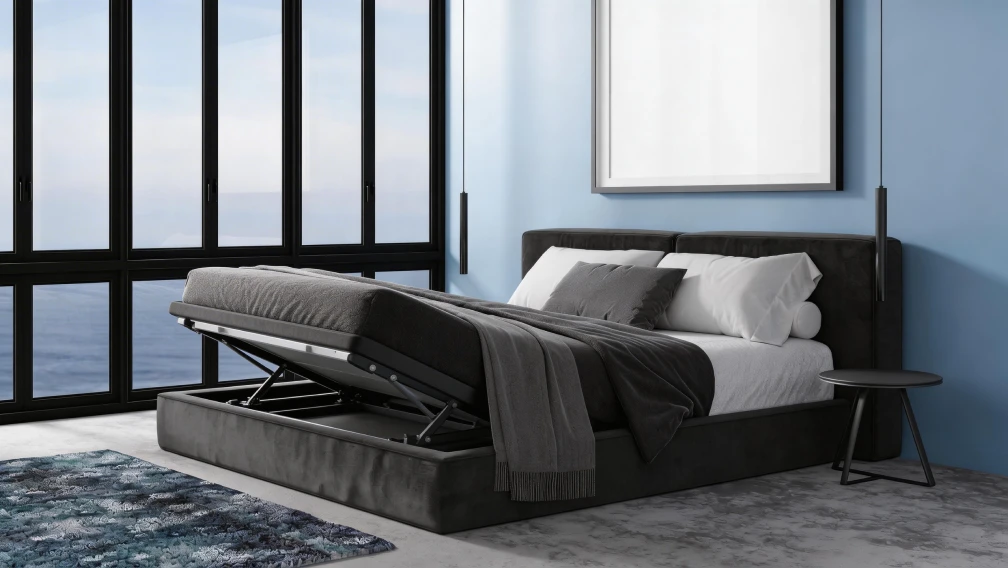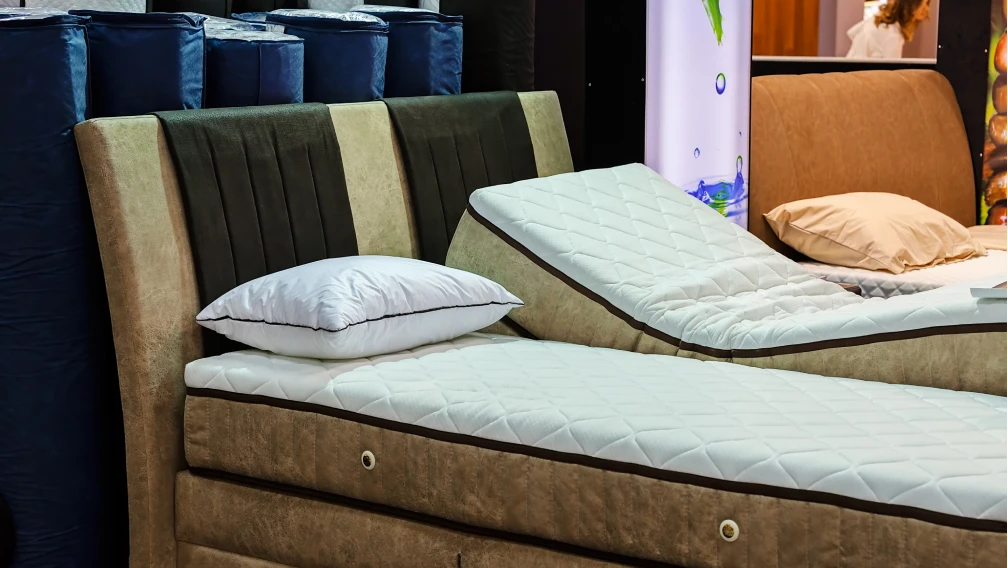

The global demographic shift toward an aging population has fundamentally disrupted the durable medical equipment (DME) and residential furniture markets. Today's seniors are actively choosing to "age in place"—remaining in their own homes rather than transitioning to assisted living facilities. However, standard residential beds present severe mobility and safety challenges for the elderly, while traditional hospital beds carry a clinical stigma that consumers actively reject. The solution bridging this gap is the modern high-low adjustable bed. For home healthcare providers, DME distributors, and premium furniture retailers, sourcing and stocking these specialized sleep systems is critical to capturing the rapidly expanding senior care market.
As an experienced Original Equipment Manufacturer (OEM) of advanced motorized sleep systems, we supply global distributors with robust, residential-style care beds. Buyers frequently consult us on the technical specifications necessary to support both patient independence and caregiver safety. This comprehensive procurement guide explores the engineering mechanics of vertical articulation, the rise of the smart care bed, and the strategic advantages of upgrading your home care bed inventory.
What is a High Low Adjustable Bed?
While a standard adjustable base utilizes linear actuators to pivot the head and foot sections, a high low adjustable bed frame incorporates an entirely separate mechanical system designed to move the entire sleep surface vertically. This vertical translation is typically achieved through synchronized dual-column lifts or a heavy-duty scissor-lift mechanism integrated into the steel chassis.
The primary engineering goal of high low adjustable beds is to provide a dynamic height range. A premium model can lower the mattress deck to within a few inches of the floor and elevate it to a standard counter height (typically 30 to 32 inches). This vertical capability transforms the bed from a simple piece of furniture into an active mobility and caregiving tool. When evaluating the hospital bed vs home care bed vs adjustable bed landscape, the high-low function is the definitive feature that categorizes a frame as a true home healthcare device.
The Evolution: Enter the High Low Smart Adjustable Bed
Historically, high-low beds were entirely utilitarian, featuring exposed metal frames and basic hand pendants. Today, consumer demand has driven the development of the high low smart adjustable bed. These systems combine clinical-grade vertical lifting power with the aesthetic and technological integration of luxury residential furniture.
A smart high-low bed conceals its lifting mechanisms behind upholstered side rails or elegant wooden shrouds. More importantly, it integrates advanced technology: under-bed LED lighting that triggers via motion sensors to prevent nighttime falls, voice-activated controls, and biometric sleep tracking. For distributors reading high low smart adjustable bed reviews to determine market trends, it is evident that end-users want a bed that looks like a high-end piece of bedroom decor but functions like an ICU-grade medical device.
The Dual-Target Market: Patient Safety and Caregiver Ergonomics
Retailers and healthcare providers must market high low adjustable beds by addressing the needs of two distinct users: the patient (or senior) and the caregiver. The vertical lift mechanism solves critical problems for both demographics.
Fall Mitigation and Patient Independence
Falls are the leading cause of fatal and non-fatal injuries among older adults. Getting in and out of a standard bed is a high-risk activity for individuals with compromised balance or muscle weakness. An adjustable high low bed mitigates this risk by allowing the user to set the bed to their exact popliteal height (the distance from the floor to the crease behind the knee). This ensures their feet are planted firmly on the floor before they stand.
Furthermore, for patients with severe dementia or a history of rolling out of bed, the frame can be lowered to its absolute minimum height (often called a "low bed" setting) during sleep. If a fall occurs, the distance to the floor is negligible, drastically reducing the risk of fracture. When paired with a home care adjustable bed with side rails and headboard, the patient gains secure handholds for repositioning, fostering long-term independence.
Caregiver Safety and Ergonomics
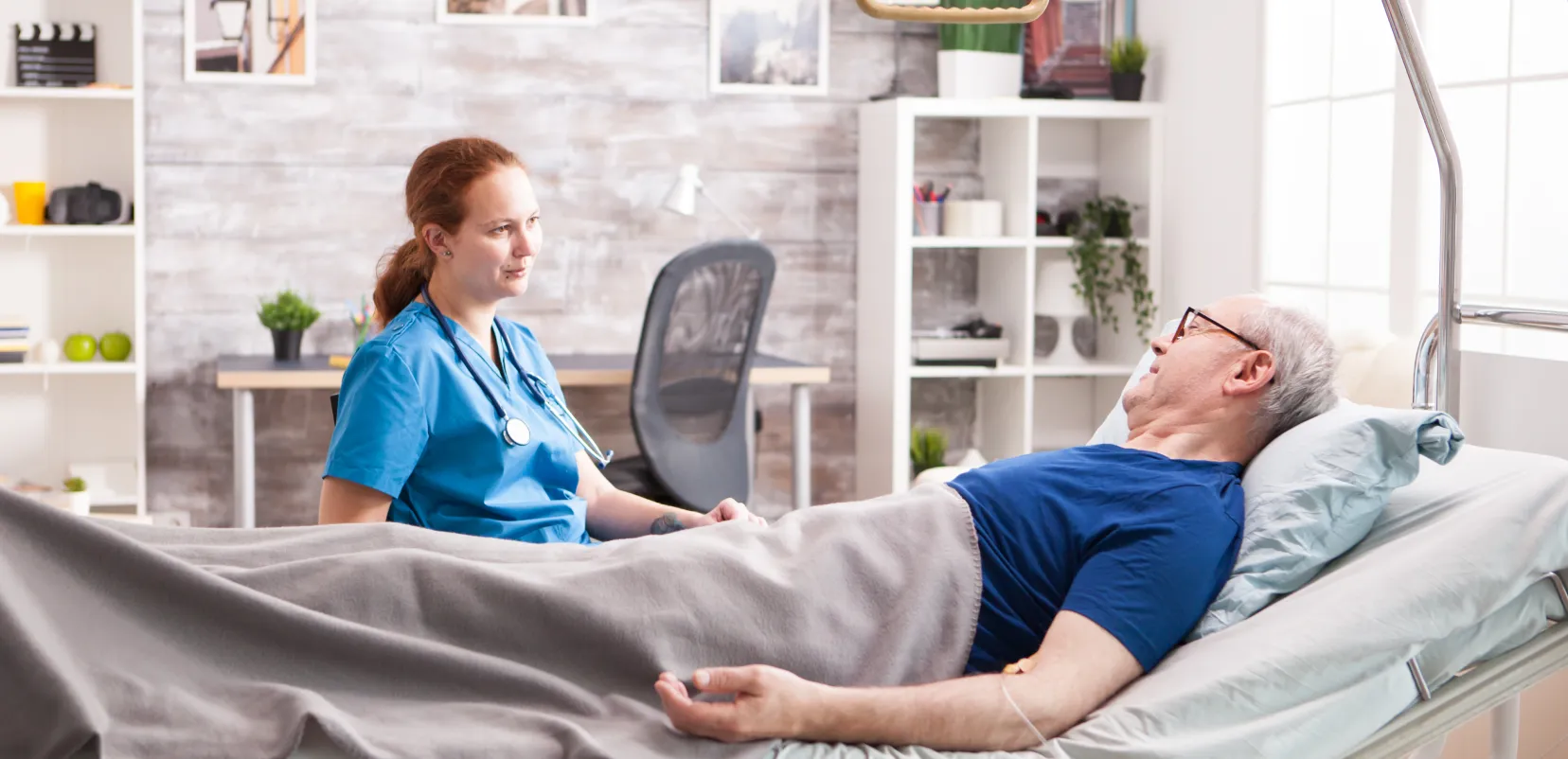
Home healthcare providers know that caregiver burnout and physical injury are massive liabilities. Bathing, dressing, and transferring a patient on a standard-height bed requires the caregiver to bend at the waist, placing devastating strain on the lumbar spine. A high low bed adjustable system allows the caregiver to elevate the entire mattress to waist height. This ergonomic working level prevents back injuries, facilitates safer patient transfers (e.g., from bed to wheelchair), and allows for easier linen changes. For agencies employing home health aides, equipping patients with these beds is a direct investment in occupational safety.
Size Configurations: Catering to Residential Lifestyles
A major limitation of traditional hospital beds is their restrictive "Twin 36-inch" sizing. Residential consumers aging in place refuse to downgrade their sleeping arrangements. Consequently, B2B buyers must source wider and more accommodating profiles.
The Queen High Low Smart Adjustable Bed
For single seniors who are accustomed to residential comfort, the queen high low smart adjustable bed is a top-selling SKU. It provides ample space for repositioning and prevents the claustrophobic feeling associated with narrow medical beds. Engineering a Queen-sized high-low bed requires significantly more robust lifting columns to handle the increased width, mattress weight, and potential off-center loading. Buyers must ensure the OEM uses high-torque motors rated for at least 800 lbs of dynamic lift.
Solutions for Couples: Split King Configurations
One of the most emotionally challenging aspects of aging in place is when one partner requires medical care while the other does not. Forcing couples to sleep in separate rooms is detrimental to their mental health. The solution is the high low smart adjustable bed king size, specifically configured as a split system.
Procuring adjustable beds high low king split models allows couples to sleep in the same bed while operating completely independent mechanical foundations. The partner requiring care can elevate their side for a caregiver or lower it for safe exit, while the healthy partner maintains a standard residential sleeping height. The demand for the high low smart adjustable bed king configuration is surging in affluent retirement communities, representing a highly lucrative margin opportunity for retailers.
Advanced Clinical Positioning: Tilt and Trendelenburg
For patients with advanced cardiopulmonary or circulatory issues, simple high-low vertical lift is not enough. Sourcing managers must look for frames that integrate tilt functions. A high low lift and tilt adjustable bed utilizes independent motors at the head and foot of the chassis. By raising the foot column higher than the head column, the bed achieves the Trendelenburg position (head down, feet up).
This position is clinically vital for promoting venous return in patients with severe edema or deep vein thrombosis (DVT). Conversely, Reverse Trendelenburg (head up, feet down) assists with respiratory distress and severe acid reflux. Integrating a full tilt adjustable bed into your catalog allows your business to cater to high-acuity patients who would otherwise be forced into institutional care.
B2B Procurement Standards for High-Low Systems
When selecting the best high low smart adjustable bed for bulk procurement, distributors must look past the upholstery and rigorously evaluate the mechanical skeleton. If a high-low bed fails, a patient may be trapped or a caregiver injured.
- Lifting Column Stability: When a bed is elevated to 30 inches, the center of gravity shifts dangerously high. A poorly engineered bed will sway or wobble. OEM manufacturers must utilize heavy-duty, reinforced carbon steel lifting columns with wide-stance base plates to ensure absolute lateral stability at maximum height.
- Medical-Grade Casters: A true home care bed must be movable for cleaning and patient access. Look for a mobile home care bed with brake wheels and side rails. The casters must feature central locking mechanisms or heavy-duty individual step-brakes to ensure the bed remains completely immobilized during patient transfers.
- Battery Backup Systems: Because high-low beds are essential medical devices, they cannot become non-functional during a power outage. Sourcing managers must mandate that all procured beds include an integrated emergency battery backup system that holds enough charge to lower the bed to a safe exiting height if grid power fails.
Conclusion for DME Providers and Retailers
The aging-in-place movement is not a temporary trend; it is a permanent demographic reality. By offering premium, residential-looking high-low motorized bases, home healthcare providers and retailers can tap into a market segment that values dignity, aesthetics, and clinical safety. Reviewing our comprehensive home care bed distributor sourcing guide will further equip your purchasing team to make informed, high-margin inventory decisions. Stocking high-low beds that blend smart technology with heavy-duty medical kinematics is the definitive strategy for leading the modern senior care market.
Frequently Asked Questions (FAQ)
What is the difference between a high-low adjustable bed and a standard adjustable bed?
A standard adjustable bed only articulates the mattress, bending at the head and knees to create angled positions like Zero Gravity. A high-low adjustable bed includes an additional motorized lifting mechanism (usually column or scissor lifts) that raises and lowers the entire horizontal plane of the bed from the floor to caregiver waist-height.
Why do caregivers prefer high low adjustable beds?
Caregivers prefer high-low beds because they drastically reduce the risk of occupational back injuries. When a caregiver needs to bathe, dress, or transfer a patient, they can use the remote to elevate the entire bed to their ergonomic waist level, eliminating the need to bend over the mattress for extended periods.
What makes a high low adjustable bed "smart"?
A high low smart adjustable bed integrates modern consumer technology with clinical functions. Features often include under-bed LED lighting with motion sensors to prevent falls in the dark, Bluetooth app connectivity, voice controls, and sometimes biometric sensors that track the patient's sleep quality and heart rate without wearable devices.
Can couples use a high low adjustable bed if only one person needs it?
Yes. The ideal solution for couples is the adjustable beds high low king split configuration. This setup places two independent Twin XL high-low bases side-by-side within a standard King footprint. The partner requiring care can raise or lower their side for medical needs, while the healthy partner operates their side normally, allowing them to remain sleeping together.
Is a Queen size available for high-low smart adjustable beds?
Yes. While traditional hospital beds are narrow (Twin size), modern residential high-low beds are frequently manufactured in Queen sizes. A queen high low smart adjustable bed provides the user with more space to roll and reposition comfortably, preventing the confined feeling of a standard medical bed while still offering full vertical lift functionality.
What is the tilt or Trendelenburg function on a high-low bed?
The tilt function, often called Trendelenburg, is an advanced medical position where the entire flat bed frame is tilted on an angle. Trendelenburg lowers the head and raises the feet to improve blood flow and reduce swelling. Reverse Trendelenburg raises the head and lowers the feet, which helps patients with severe respiratory distress or gastric reflux.
-

Author
Seemoon
Seemoon is a Senior Product Expert and Sleep Ergonomics Specialist. With extensive experience in the design and manufacturing of adjustable beds and smart sleep solutions, Seemoon is dedicated to sharing authoritative insights on furniture innovation, ergonomic health, and global B2B sourcing trends. All content is grounded in authentic manufacturing expertise to help global buyers make informed decisions.