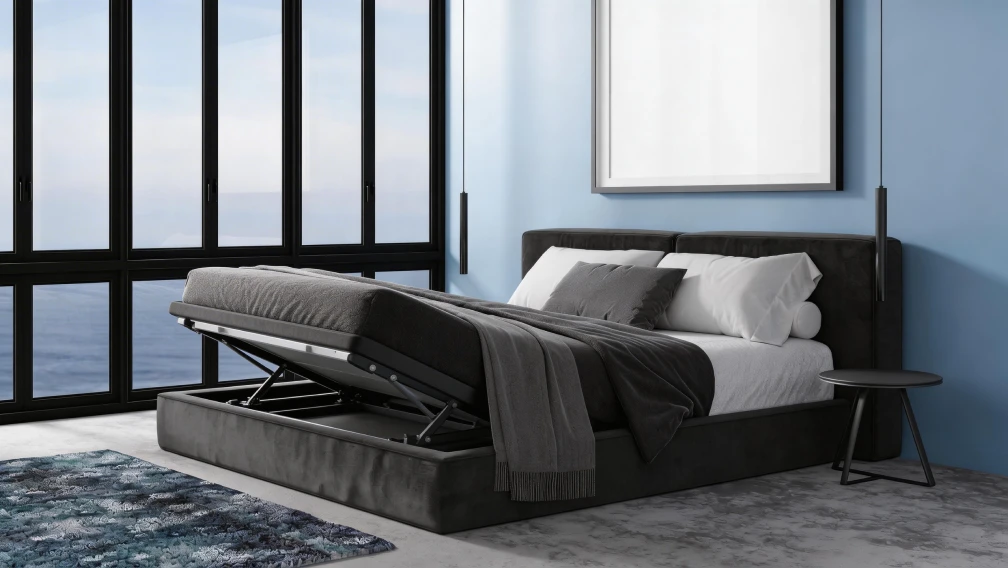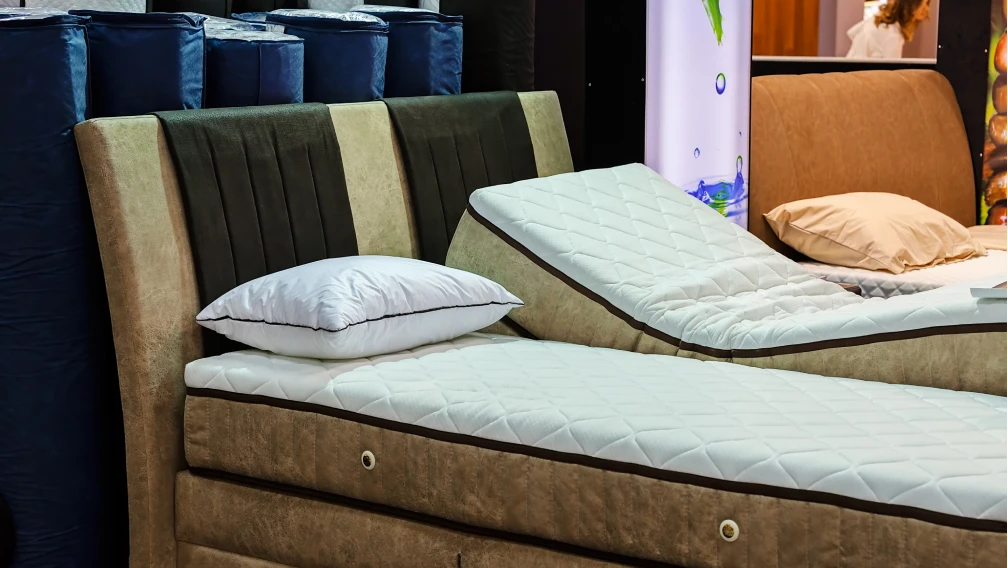

In the highly competitive adjustable bed and medical furniture market, wholesale distributors and mattress brands often focus exclusively on the initial gross margin. Procurement teams negotiate fiercely over factory FOB prices, shipping container optimization, and marketing collateral. However, veteran commercial buyers understand a fundamental truth: the actual profitability of a smart bed program is determined entirely by the backend after-sales operations and Return Merchandise Authorization (RMA) rates.
Selling an electromechanical sleep system introduces variables that do not exist with traditional flat mattresses or static foundations. Linear actuators, control boxes, power supplies, and wireless remotes are subjected to daily wear, electrical grid surges, and user error. When a mechanical failure occurs, the financial impact extends far beyond the cost of the broken component. Sending a contracted technician to a consumer's home (a "truck roll") can instantly eradicate the profit margin of that entire transaction.
To build a sustainable, scalable business, B2B buyers must partner with OEM manufacturers who engineer their beds for zero-tool, modular repairability. This comprehensive guide details how modular component design, strategic spare parts management, and clear warranty structures can insulate your distribution network from catastrophic after-sales expenses.
The Anatomy of Electromechanical Failure
Before implementing a robust RMA strategy, distributors must understand exactly how and why smart bed components fail in the field. Motorized beds operate in dynamic environments. They are subjected to static weight, sudden dynamic impacts, spilled liquids, and inconsistent power supplies.
Linear Actuator Overload and Gear Stripping
The primary lifting force in any motorized base is generated by linear actuators. These devices utilize an internal electric motor to turn a threaded spindle, extending or retracting a push tube. The most common cause of actuator failure is not factory defect, but user-induced mechanical overload. If a consumer sits heavily on the elevated head section of a standard electric bed for home, the downward force leverages against the internal nylon gears of the actuator. When the Safe Working Load (SWL) is exceeded, these gears strip. The motor will still audibly hum, but the push tube will no longer elevate the bed section.
Control Box Electrical Surges
The control box acts as the central nervous system of the bed, receiving wireless signals from the remote and distributing power to the appropriate motors. Because these boxes contain sensitive printed circuit boards (PCBs), they are highly vulnerable to voltage spikes. Many consumers plug their adjustable beds directly into ungrounded wall outlets rather than high-joule surge protectors. A lightning storm or grid fluctuation can fry the PCB, resulting in a completely unresponsive bed.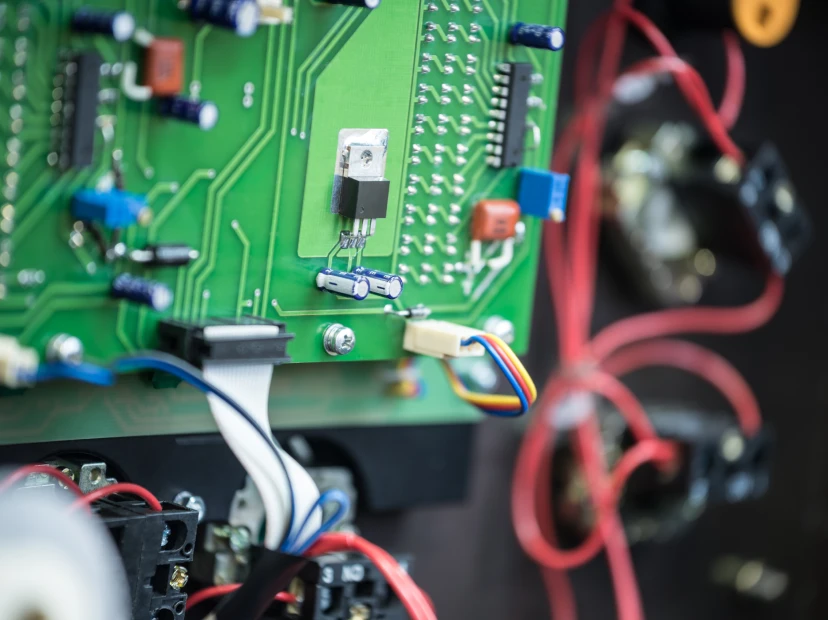
Wireless Remote Desynchronization and Physical Damage
Statistically, the most frequently replaced component is the hand pendant or wireless remote. Remotes are dropped on hardwood floors, submerged in spilled coffee, or simply lose their pairing synchronization with the main control box after prolonged battery depletion. Establishing a solid foundation in adjustable bed troubleshooting maintenance begins with training your customer service representatives to walk end-users through a simple manual remote re-syncing process before authorizing any hardware replacements.
The Financial Impact of the "Truck Roll"
For regional retailers and national D2C brands, dispatching a service technician to diagnose and repair an adjustable bed is financially crippling. In the North American and European markets, a standard independent service contractor charges between $150 and $250 simply to show up at the residential address. This fee does not include the cost of the replacement parts or the subsequent hourly labor rate.
If an adjustable base yields a net profit of $300 at the time of sale, a single service call puts the transaction in the red. Furthermore, relying on third-party technicians introduces scheduling delays. A customer sleeping on a bed stuck in an elevated, upright position will not accept a two-week wait for a repair appointment, leading to chargebacks, negative online reviews, and severe brand damage. The only viable commercial solution is to eliminate the technician entirely through modular engineering.
The Modular Replacement Revolution
Modern OEM manufacturers have completely redesigned the hardware architecture of premium adjustable beds to facilitate "Plug and Play" modularity. In legacy systems, actuators were often hard-wired into the control boxes, or mounted to the steel frame using permanent rivets or complex bolt assemblies that required specialized socket wrenches.
Today's commercial-grade frames utilize tool-less replacement mechanisms. For instance, brands upgrading their catalog with advanced options like a zero clearance adjustable base or a high-performance wall hugger adjustable base 4 motor ensure their internal wiring harnesses are fully modular and easily accessible.
Quick-Release Clevis Pins
High-quality linear actuators are now secured to the steel mounting brackets using steel clevis pins secured by a simple cotter pin (or R-clip). If a head motor fails on a complex three motor split head adjustable bed, the end-user simply unplugs the bed from the wall, reaches under the frame, pulls the metal cotter pin with their fingers, and slides the clevis pin out. The broken motor drops free.
Color-Coded DIN Connections
Replacing a control box is equally streamlined. Premium electronic systems (such as those manufactured by Okin or Dewert) utilize color-coded DIN plugs. The port for the head motor is marked with a specific color matching the plug on the motor cable. This prevents consumers from accidentally plugging the foot motor into the head port.
Because of this modular design, your customer service team can ship a replacement motor directly to the consumer via standard courier (FedEx/UPS). The customer can swap the component in under five minutes using only their hands. By eliminating the $200 technician truck roll, the cost of fulfilling the warranty claim is reduced strictly to the wholesale cost of the motor (often under $40) and standard domestic shipping.
Decoding OEM Warranties and Pro-Rated Clauses
When negotiating supply contracts with a factory, distributors must scrutinize the warranty documentation. Standard B2B warranties are fundamentally different from the consumer-facing warranties offered on the retail floor. You must ensure your factory's warranty aligns with the liability you are assuming in your local market.
Electrical vs. Mechanical vs. Structural Coverage
A standard commercial warranty is heavily segmented:
- Year 1-2: Full replacement coverage for all electronics, including actuators, control boxes, and remotes.
- Year 3-5: Coverage limited strictly to the steel mechanical linkages and hinges (excluding the electrical components).
- Year 6-10: Coverage restricted solely to the static steel structural frame breaking or failing under normal loads.
The Danger of Pro-Rated Consumer Warranties
Many retail brands offer "20-Year Pro-Rated Warranties" as a marketing tactic. A pro-rated warranty means that after a certain period (e.g., year 3), the customer must pay a percentage of the replacement part's cost, which increases every subsequent year. While this protects the distributor's margins long-term, it often angers consumers who did not read the fine print. As a B2B buyer, ensuring your factory provides a robust, unquestioned 2-year full-replacement policy on electronics is critical for absorbing the initial shock of early-lifecycle component failures.
Implementing a Proactive Spare Parts Strategy (RMA Kits)
The most efficient distributors do not wait for a component to fail before ordering a replacement from their overseas factory. Shipping a single control box via DHL Express from Asia to the US or Europe can cost over $80 in air freight alone—destroying the cost-saving benefit of the modular repair.
To optimize your supply chain, procurement teams must implement a proactive Spare Parts Ratio. When ordering a 40HQ container of any adjustable bed series, you should instruct the factory to include a dedicated RMA kit in the container.
A standard recommended ratio per 100 beds includes:
- 3x Primary Control Boxes
- 5x Wireless Remotes (The most frequently damaged item)
- 2x Head Actuator Motors
- 2x Foot Actuator Motors
- 5x Power Supply Transformers and Power Cords
Because these parts are loaded into the bulk container, the localized freight cost is effectively zero. When a domestic customer files a warranty claim, your warehouse simply pulls the component from this pre-stocked RMA kit and ships it domestically for a fraction of the cost.
For distributors looking to expand their catalog beyond standard frames, sourcing a certified heavy-duty steel platform bed frame ensures long-term structural reliability across all product tiers.
Protecting Brand Equity Through Fast Resolutions
In the era of social media and immediate online feedback, customer service is marketing. When a consumer experiences a bed failure, they are highly stressed. If your brand can immediately diagnose the issue over the phone—by asking them to check the LED indicator lights on the modular control box—and overnight a plug-and-play replacement part, you transform a frustrated buyer into a brand advocate.
This level of operational efficiency is only possible when you source heavily engineered, modular products from verified OEM manufacturers.
Conclusion and Call to Action
Distributing smart beds is a highly lucrative venture, provided you manage the hidden costs of mechanical liability. Transitioning your inventory away from legacy, hard-wired frames toward modern, tool-less modular architectures is the single most effective way to protect your profit margins. By understanding actuator mechanics, optimizing your warranty structures, and proactively stocking container-shipped spare parts, you eliminate the need for expensive third-party technicians.
Are you dealing with high RMA costs and complicated after-sales support from your current smart bed supplier? Partner with a factory that engineers reliability directly into the frame. Contact our commercial sales team today to learn about our standardized modular electronic systems, comprehensive B2B warranty support, and how our proactive spare parts packaging can streamline your distribution network.
FAQ
Q: Why do adjustable bed linear actuators stop working?
A: The most common cause of actuator failure is mechanical overload, typically caused by a user sitting or applying heavy weight directly onto the head or foot section while it is in an elevated position, which strips the internal nylon gears.
Q: What is a modular control box on a smart bed?
A: A modular control box consolidates the bed's electrical system into a single external unit with plug-and-play ports. Instead of hard-wiring motors, components use color-coded cables that plug into the box, allowing for instant, tool-less replacement if a circuit fails.
Q: Do customers need to hire a technician to replace a broken bed motor?
A: No. High-quality commercial adjustable beds utilize clevis pins and cotter clips to secure motors. End-users can manually remove the pins, drop out the old motor, and connect the new one in minutes without using wrenches or screwdrivers.
Q: How should distributors handle replacement parts for overseas manufacturing?
A: Distributors should require their OEM factory to include a calculated percentage (usually 1-3%) of spare electronic parts, including remotes, control boxes, and motors, inside every bulk container shipment to eliminate expensive international air-freight costs for single replacement parts.
Q: Why is the wireless remote the most frequently replaced part?
A: Unlike the bed frame and motors which are protected beneath the mattress, the wireless remote is constantly handled by the user. It is highly susceptible to physical drops, liquid spills, battery corrosion, and being lost, making it the highest-volume RMA component.
Q: What is the difference between a mechanical and structural warranty?
A: A mechanical warranty covers moving parts like linear actuators, massage motors, and electronic control boards (usually for 1-3 years). A structural warranty covers only the rigid steel base frame and welded joints against cracking or bending under normal use (often lasting 10-20 years).
-

Author
Seemoon
Seemoon is a Senior Product Expert and Sleep Ergonomics Specialist. With extensive experience in the design and manufacturing of adjustable beds and smart sleep solutions, Seemoon is dedicated to sharing authoritative insights on furniture innovation, ergonomic health, and global B2B sourcing trends. All content is grounded in authentic manufacturing expertise to help global buyers make informed decisions.