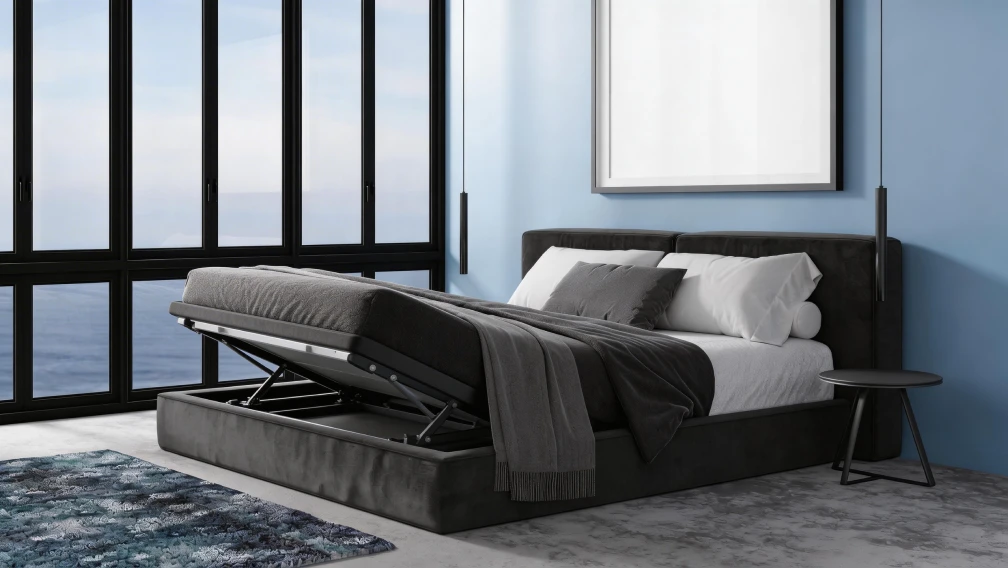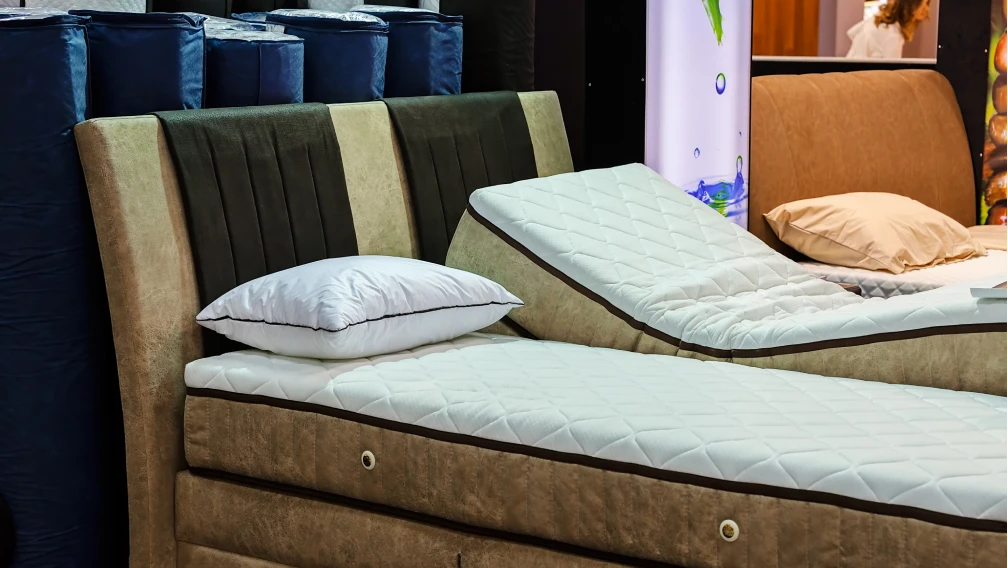

The mechanical core of any motorized sleep system is its linear actuator network. While aesthetic features like upholstery and under-bed lighting attract initial consumer interest, the functional capability and therapeutic value of an adjustable bed are entirely dictated by its motor configuration. For furniture retailers, medical equipment distributors, and e-commerce brands, understanding the mechanical distinctions between 2-motor, 3-motor, and 4-motor systems is critical. This knowledge drives accurate inventory procurement, minimizes warranty claims, and provides retail sales teams with a structured "Good, Better, Best" upselling strategy.
As an Original Equipment Manufacturer (OEM) with extensive experience engineering articulating bed frames, we observe a direct correlation between motor count and retail profit margins. Moving a customer from a baseline dual-motor base to a quad-motor system significantly increases the Average Order Value (AOV). However, doing so requires a clear technical explanation of ergonomic benefits. This procurement guide breaks down the engineering specifications, targeted demographics, and retail merchandising strategies for different motor configurations.
The Engineering Baseline: 2-Motor Adjustable Beds
The 2-motor system is the industry standard and serves as the foundation for the motorized bedding category. In this configuration, two independent linear actuators are mounted to the central steel chassis. One actuator controls the articulation of the head and torso section, while the second actuator controls the elevation of the legs and feet.
Functional Mechanics
A standard dual-motor setup allows the user to achieve the fundamental Zero Gravity position, which requires a specific angular elevation of the upper body and knees to decompress the lumbar spine. These bases effectively address primary health concerns such as acid reflux (GERD), snoring, and basic lower back pain.
Retail and Sourcing Strategy
For B2B buyers, 2-motor bases are high-volume, cost-effective SKUs. They form the entry-level tier of an adjustable bed productlist. Because they feature fewer mechanical components, they are lighter, allowing for highly efficient drop-shipping via standard parcel networks (UPS/FedEx). This makes them the primary choice for e-commerce retailers offering highly competitive pricing. However, while 2-motor systems provide excellent baseline comfort, they lack the localized, micro-adjustability required for advanced spinal support.
Bridging the Gap: 3-Motor Adjustable Beds
The 3-motor configuration introduces a critical ergonomic upgrade, transitioning the bed from a basic sleep aid to a comprehensive lifestyle and recovery tool. The third linear actuator is typically dedicated to one of two specific functions: Pillow Tilt (cervical articulation) or Lumbar Support.
The Pillow Tilt Function
In a standard 2-motor bed, elevating the head section keeps the neck and torso on a straight plane. If a user wishes to read a book, watch television, or work on a laptop, their head is pointed toward the ceiling, requiring them to constantly strain their neck muscles forward. A three motor adjustable bed for easy supported comfort equipped with Pillow Tilt solves this biomechanical flaw. The third motor articulates the extreme upper section of the headboard, tilting the user's head forward independently of the torso. This provides rigid support to the cervical spine, eliminating neck fatigue during waking activities.
Alternative Configuration: Lumbar Support
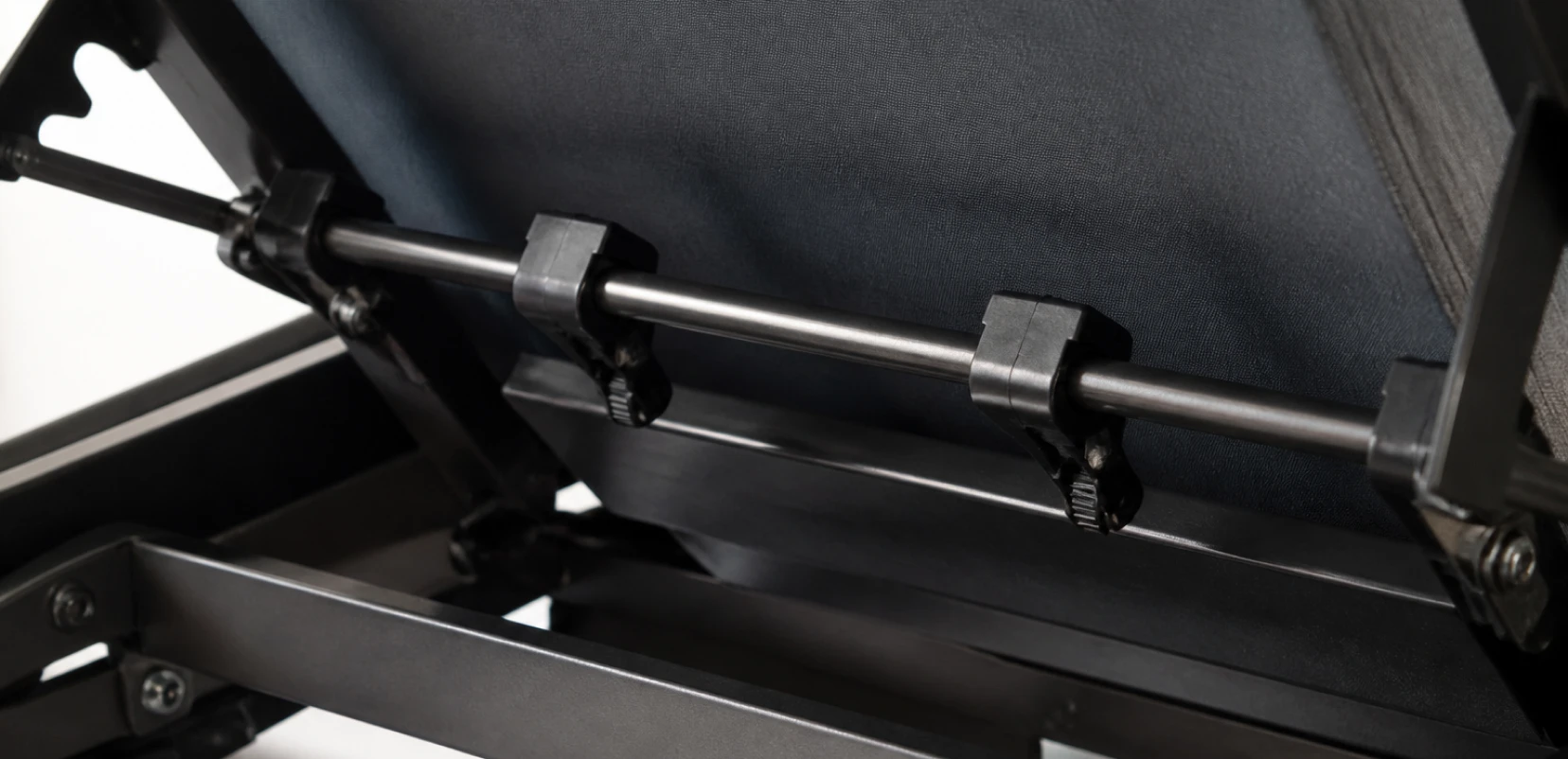
Some 3-motor models utilize the third actuator to power a mechanical lumbar bar. This steel bar pushes upward against the mattress in the lower back region, filling the natural lordotic curve of the spine. This is highly recommended for customers with chronic sciatica or herniated discs who require targeted pressure relief.
Retail Positioning
Three-motor bases are ideal for the mid-tier retail segment. They appeal to the modern, tech-focused consumer who utilizes the bedroom as a multifunctional living space. Retailers can market these frames specifically to demographics that spend significant waking hours in bed, offering a tangible lifestyle upgrade over standard 2-motor models.
The Premium Standard: 4-Motor Adjustable Beds
The 4-motor adjustable bed represents the pinnacle of motorized sleep technology. This configuration integrates four independent linear actuators to provide total ergonomic control. A four motor electric adjustable bed simultaneously features independent head articulation, foot articulation, mechanical pillow tilt, and mechanical lumbar support.
Advanced Kinematics and Customization
By deploying four motors, the bed can conform exactly to the unique spinal curvature of any user. The user can elevate their torso, raise their knees to a Zero Gravity angle, tilt their head forward to watch a monitor, and extend the lumbar bar to support their lower back—all independently. This level of micro-adjustability is unmatched in lower-tier models.
Furthermore, premium 4-motor systems are frequently combined with advanced frame architectures. For example, a wall hugger adjustable base 4 motor ensures that as the head section rises, the entire chassis glides backward along a track. This keeps the user directly adjacent to their nightstand, rather than pushing them forward and away from their bedside lamp or electronics.
Targeting the Luxury and Healthcare Demographics
Four-motor beds yield the highest retail profit margins. They are positioned for luxury buyers, individuals recovering from severe spinal surgeries, or seniors aging in place. When differentiating between a hospital bed vs home care bed vs adjustable bed, a 4-motor residential adjustable base offers clinical-grade positioning without the sterile, institutional appearance of medical hardware.
Specialty Configurations: Split Systems
Beyond standard motor counts, retailers must also consider split configurations for couples with divergent sleep needs. While standard Split King systems require two separate Twin XL bases (each with their own motors), modern manufacturing has introduced the Split Head design. A split head adjustable bed with pillow tilt allows partners to elevate their heads and utilize pillow tilt functions independently while sharing a unified lower mattress section. This prevents the "canyon effect" between mattresses while delivering customized upper-body ergonomics.
Technical Specifications Sourcing Managers Must Verify
Regardless of the motor count, B2B buyers must scrutinize the hardware specifications before committing to bulk procurement. High motor counts require robust mechanical support.
Actuator Thrust Capacity
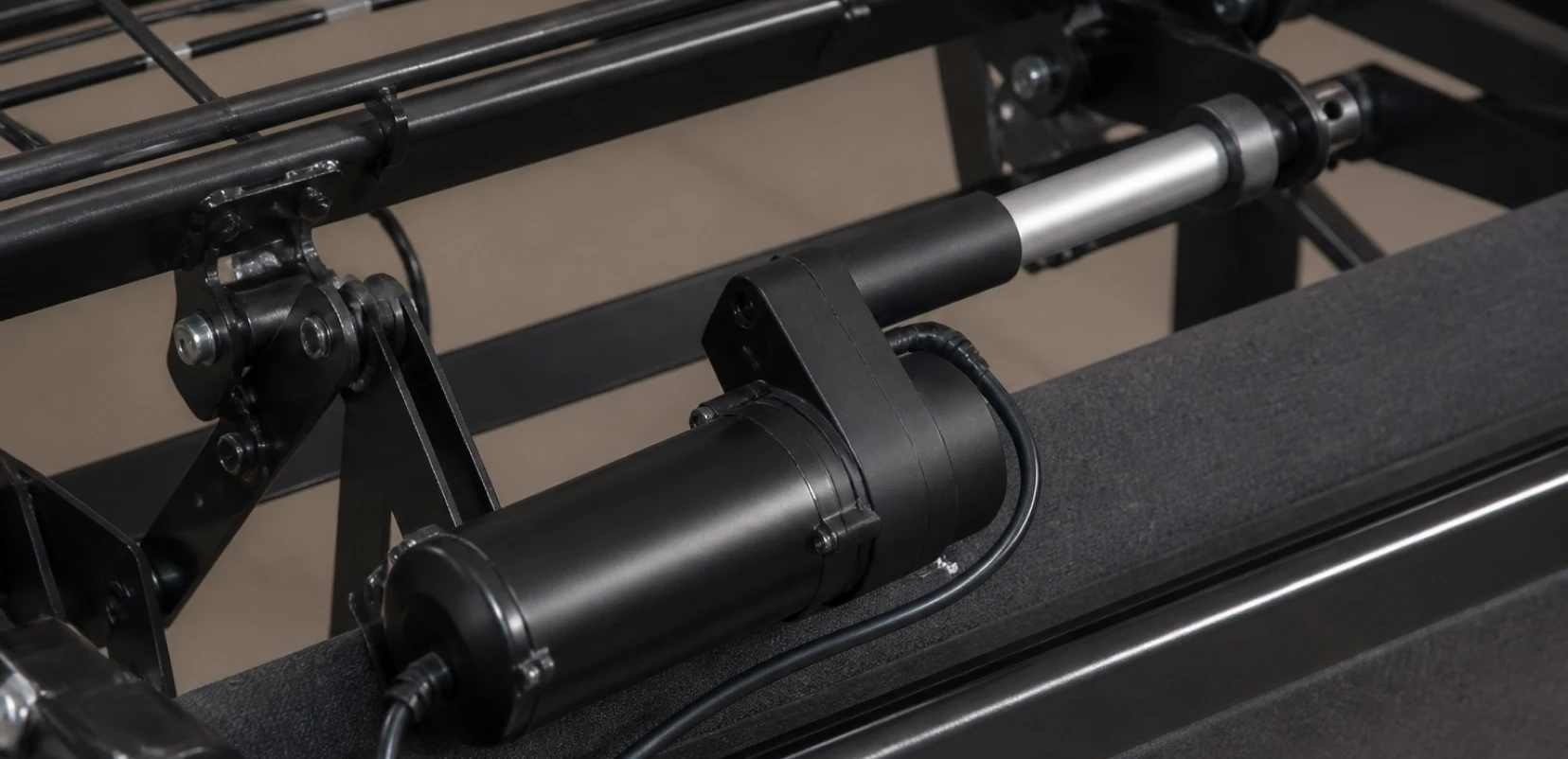
More motors mean more simultaneous lifting zones. Sourcing managers must verify the thrust capacity (measured in Newtons) of the linear actuators. A 4-motor bed carrying a thick, high-density latex mattress and a heavy sleeper requires industrial-grade motors. We recommend actuators rated for a minimum of 6,000 Newtons (N) of push force to prevent gear stripping and ensure smooth articulation.
Frame Rigidity and Clearance
The steel chassis must be proportionally reinforced to handle the torsional stress of four independent moving zones. Buyers should specify heavy-gauge carbon steel frames. Additionally, if the bed is intended to fit inside existing decorative furniture, buyers must source a zero clearance adjustable base, ensuring none of the additional motors or linkages drop below the bottom plane of the frame during operation.
Serviceability and Motor Lifespan
Higher complexity implies a higher potential for mechanical failure. It is imperative that the manufacturer designs the base with modular, easily accessible control boxes and plug-and-play actuators. Providing comprehensive adjustable bed troubleshooting maintenance guides and ensuring the OEM offers prompt replacement part logistics will drastically reduce the cost of post-sale retail service calls.
Conclusion for Procurement and Sales Teams
Structuring a retail catalog with a tiered 2-motor, 3-motor, and 4-motor strategy maximizes revenue capture across all consumer demographics. The 2-motor base serves as a high-volume, budget-friendly entry point. The 3-motor base captures the lifestyle consumer seeking specific reading or lumbar relief. The 4-motor system commands premium pricing by offering uncompromised, full-body ergonomic customization. By partnering with a factory capable of producing all three tiers with consistent mechanical reliability, distributors can optimize their supply chain and confidently market high-margin sleep systems.
Frequently Asked Questions (FAQ)
What is the difference between a 2-motor and a 3-motor adjustable bed?
A 2-motor adjustable bed controls two main zones: the elevation of the head/torso and the elevation of the legs/feet. A 3-motor adjustable bed includes these fundamental movements but adds a third independent motor. This third motor is typically used to control an articulating pillow tilt for cervical support or an adjustable lumbar bar for targeted lower back relief.
Are 4-motor adjustable beds worth the higher wholesale cost?
For retailers targeting the premium, luxury, or chronic pain demographics, yes. A 4-motor system offers independent head elevation, foot elevation, pillow tilt, and lumbar support. This ultimate level of customization justifies a significantly higher retail price point, offering wider profit margins for the distributor compared to standard commoditized 2-motor models.
Can a 4-motor adjustable bed operate on a standard platform frame?
It can, provided the bed is engineered with a "Zero Clearance" architecture. Because 4-motor beds contain more complex linkages and hardware underneath the deck, the manufacturer must specifically design the base so that no mechanical parts descend below the frame line. If it is a zero clearance model, it will sit perfectly flat on slats or a platform deck.
What does the pillow tilt feature do on 3 and 4-motor beds?
Pillow tilt is an independent articulation zone at the extreme top of the headboard. When a user raises the main head section to sit up and watch TV or read, their head naturally tilts backward toward the ceiling. The pillow tilt motor pushes the head and neck forward, keeping the cervical spine aligned and eyes looking straight ahead without requiring stacked pillows.
Do beds with more motors break down more frequently?
Not if they are manufactured to strict OEM standards. While 4-motor beds have more moving parts, professional-grade models utilize high-torque linear actuators (6,000 Newtons or higher) and modular control boxes. As long as the steel chassis is heavily reinforced to prevent flexing, the failure rate of premium multi-motor beds is statistically comparable to basic models.
How should a retail store display different motor configurations?
Retailers should adopt a "Good, Better, Best" floor strategy. Display a 2-motor bed for price-sensitive customers, a 3-motor bed emphasizing lifestyle usage (like reading in bed), and a 4-motor bed demonstrating ultimate pain relief and luxury. Physically experiencing the lumbar and pillow tilt upgrades on the showroom floor is the most effective way to drive up-sells.
-

Author
Seemoon
Seemoon is a Senior Product Expert and Sleep Ergonomics Specialist. With extensive experience in the design and manufacturing of adjustable beds and smart sleep solutions, Seemoon is dedicated to sharing authoritative insights on furniture innovation, ergonomic health, and global B2B sourcing trends. All content is grounded in authentic manufacturing expertise to help global buyers make informed decisions.